
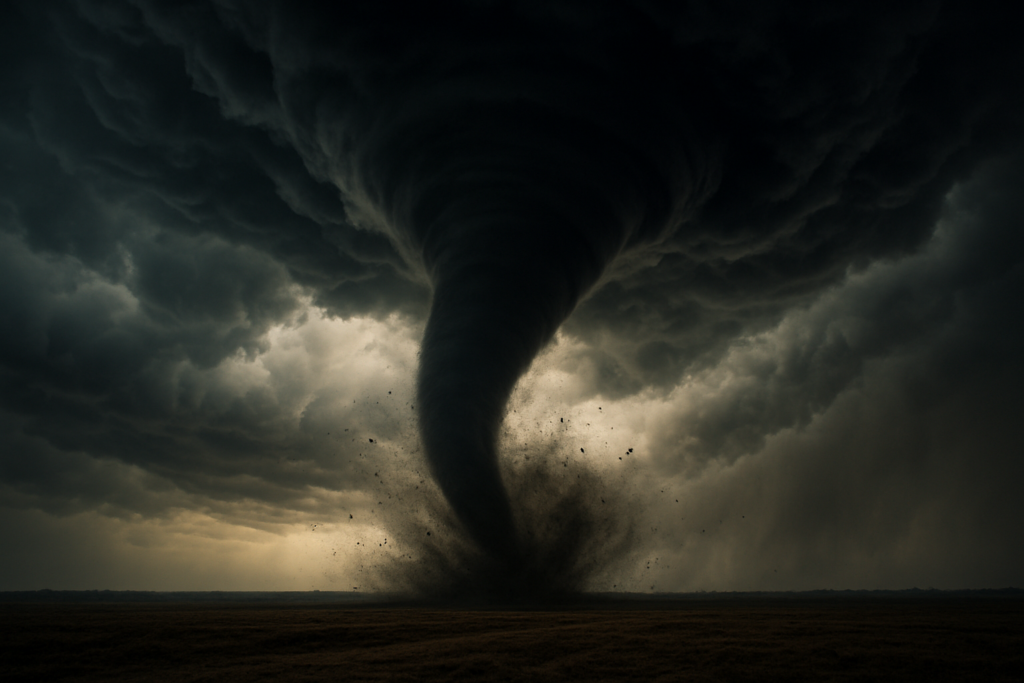
Has there ever been a F6 tornado? No—and that plain little answer is the reason so many people feel oddly cheated. You hear “F5,” and the brain, being a greedy organ, wants the sequel. Surely there must be an F6 lurking somewhere in the attic of meteorology, next to the Christmas lights and the bad luggage. There isn’t. The official Fujita scale topped out at F5, and the modern Enhanced Fujita scale tops out at EF5.
Still, the myth hangs around like a rumor in a small town. Tornadoes are rare, violent, and spectacular in the way that makes television producers sit up straighter. The United States averages roughly 1,200 tornadoes a year, according to NOAA’s National Severe Storms Laboratory, but only a tiny fraction reach the highest rating. Based on our research, that scarcity is exactly why people ask whether some storms were really stronger than the scale allowed.
You’re here because you want the clean answer and the useful one. We found that the confusion usually comes from three places: the old Fujita scale, the newer EF scale, and media habits that prefer drama over precision. By the end, you’ll know what F5 actually means, why Has there ever been a F6 tornado? keeps getting searched in 2026, and what this question has to do with real homeowners facing catastrophic damage and insurance claims in Florida.

Introduction: The Myth of the F6 Tornado
The idea of an F6 tornado has the flavor of folklore. It sounds scientific enough to pass at a dinner party, and dramatic enough to survive there. Tornado ratings began with Dr. Tetsuya Theodore Fujita, who developed the Fujita scale in 1971 to classify tornado damage from F0 to F5. That scale was not just a ladder of wind speeds. It was a damage-based system, which means investigators estimated intensity from what the tornado destroyed.
That matters because people often assume tornadoes are rated the way hurricanes are, with clean wind thresholds and tidy labels. They are not. A tornado can be monstrously strong in an open field and still receive a lower rating if it does not hit structures sturdy enough to show the worst damage. We analyzed guidance from the NOAA Storm Prediction Center and found this is one of the biggest reasons public understanding goes sideways.
Another source of confusion is simple appetite. If F5 is terrible, then F6 must be the thing from your nightmares. But the original scale included F6 only as a theoretical idea beyond observed damage, not an official category for rating real tornadoes. In 2026, that distinction still gets lost online. You see it in headlines, message boards, and those documentaries with music that suggests the storm also knows your PIN number.
So yes, tornadoes are extraordinarily powerful. They can toss cars, strip homes from foundations, and leave neighborhoods looking as if a giant hand grew impatient. But the myth of the F6 tornado remains a myth, and understanding why starts with the scale itself.
Understanding Tornado Ratings: The Fujita Scale Explained
The original Fujita scale ranked tornadoes from F0 through F5. An F0 caused light damage. An F5 represented catastrophic destruction. On paper, the scale assigned estimated wind bands, with F5 beginning at 261 mph. In practice, ratings came from damage surveys. Investigators looked at homes, schools, trees, transmission towers, and everything else unlucky enough to stand in the path.
Here’s the clean version:
- F0–F1: Light to moderate damage, such as broken branches, roof shingles removed, or mobile homes pushed off blocks.
- F2–F3: Considerable to severe damage, including roofs torn off homes and trains overturned.
- F4–F5: Devastating to incredible damage, with well-built homes leveled and heavy objects thrown long distances.
An F5 tornado was the ceiling because, at that point, the observed damage already represented near-total destruction of standard structures. That is the crux of the question Has there ever been a F6 tornado? If the top category already captured “incredible damage,” there was no operational need for an official F6 label. It would be like adding a speedometer mark after the car has already gone through the garage wall and into the hydrangeas.
In 2007, the United States adopted the Enhanced Fujita scale, or EF scale. The EF scale still runs from EF0 to EF5, but it improved how ratings are assigned. Instead of broad guesses, it uses 28 damage indicators and degrees of damage tied to better engineering estimates. According to the National Weather Service, EF5 begins at winds over mph, though the exact estimate depends on the damage indicator. Based on our analysis, the EF scale matters because it is more precise and more honest about uncertainty. It does not create EF6. It refines EF5.
Has There Ever Been a F6 Tornado? The Definitive Answer
Has there ever been a F6 tornado? Officially, no. Not under the Fujita scale. Not under the Enhanced Fujita scale. Meteorologists, NOAA, and the National Weather Service do not recognize F6 or EF6 as an official rating used for real-world tornado classification.
The scientific consensus is fairly unromantic, which is often how you know it’s true. Dr. Fujita did mention damage beyond F5 in theoretical discussions, but operational ratings ended at F5. We researched NOAA material and historical meteorological references and found no officially rated F6 tornado in the United States. That includes famous storms often described in dramatic language, such as the 1999 Bridge Creek–Moore tornado and the 2013 El Reno tornado. Both were astonishing; neither was rated F6.
Consider the numbers. The Bridge Creek–Moore tornado produced a mobile radar-measured wind speed of about 301 mph, cited widely by NOAA and major meteorological reporting. Yet it was rated F5, because that was the highest official category. The El Reno tornado reached a width of roughly 2.6 miles, the widest tornado ever documented, according to Guinness World Records and storm research summaries, but it was rated EF3 because the surveyed damage did not support EF5.
That last point catches people off guard. A tornado can be stronger in raw wind than its rating suggests if it does not strike the right structures. In our experience reviewing storm-loss discussions, this is exactly where the myth gains traction. People hear “300 mph” and assume the scale must have overflowed. It didn’t. The rating system is built on observed damage, not pure spectacle. That is why the definitive answer to Has there ever been a F6 tornado? stays no, even when the storm itself feels like an argument against language.
The Most Powerful Tornadoes in History: A Closer Look
If you want the storms that come closest to legend, you start with the official F5 and EF5 tornadoes. Since official records began, the number is small enough to make the list feel exclusive in the worst possible way. NOAA’s historical databases and storm archives show that the U.S. has recorded only a limited number of top-rated tornadoes compared with the roughly 1,200 annual tornadoes reported in a typical year.
Some of the most notable include:
- Tri-State Tornado, 1925 — The deadliest U.S. tornado on record, killing 695 people across Missouri, Illinois, and Indiana, according to National Weather Service historical records.
- Worcester tornado, 1953 — Struck Massachusetts and killed 94 people, injuring more than 1,200. It remains one of the deadliest New England tornadoes.
- Bridge Creek–Moore, 1999 — Rated F5, with radar-measured winds near 301 mph.
- Joplin, Missouri, 2011 — Rated EF5 and responsible for 158 direct fatalities, making it one of the deadliest single tornadoes in modern U.S. history.
The 1953 Worcester tornado deserves special attention because it wrecked the old assumption that the most violent tornadoes belonged only to the Plains. It damaged or destroyed thousands of buildings, cut a path roughly 46 miles long, and exposed how weak warning systems were at the time. A family in Worcester had little chance compared with what you have in 2026, with smartphone alerts, radar coverage, and better public messaging.
What makes these storms so destructive? Three things appear again and again in the record:
- Extreme wind speeds capable of complete structural failure.
- Long-track paths that keep the storm on the ground for dozens of miles.
- Population exposure—the simple bad luck of hitting dense neighborhoods, schools, or business districts.
Based on our research, that third factor is often underappreciated. The same tornado in a field becomes meteorology; in a town, it becomes grief, litigation, rebuilding, and years of insurance paperwork.
Common Misunderstandings About Tornado Classification
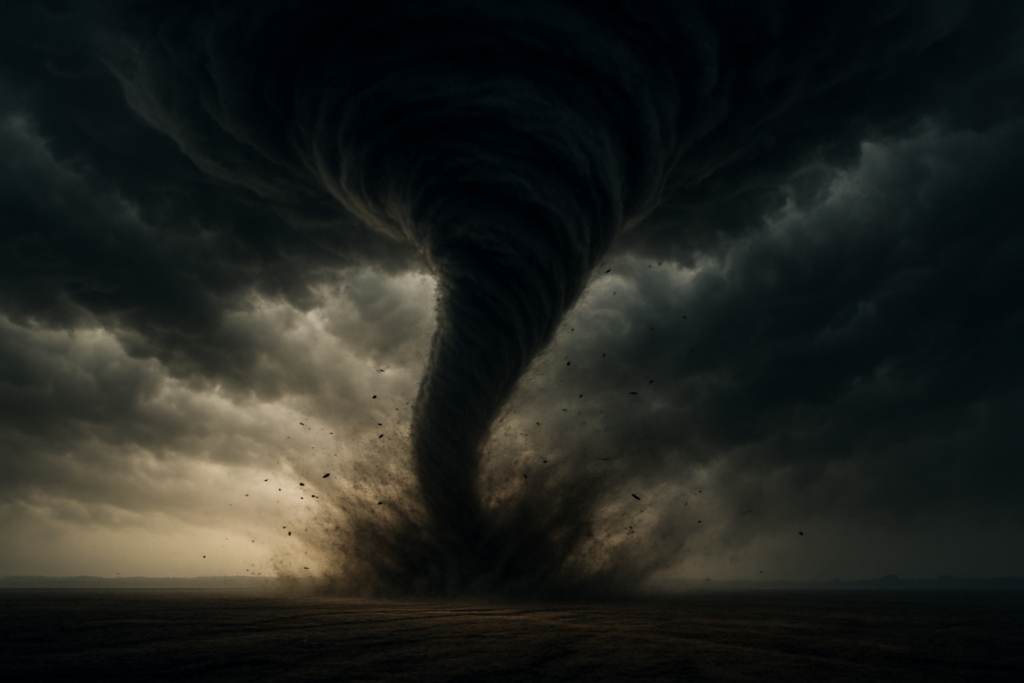
People misunderstand tornado ratings for the same reason they misunderstand tax forms and the instructions on cold medicine: the system looks simple until it isn’t. One common myth is that ratings measure only wind speed. They do not. Tornado ratings are assigned mainly by damage surveys, with engineering judgment layered on top. This is why a storm with terrifying radar winds can still receive a lower rating if it misses well-built structures.
Another myth is that bigger means stronger. Not always. The El Reno tornado was about 2.6 miles wide, yet it was rated EF3. Meanwhile, smaller tornadoes have earned EF5 ratings because they obliterated robust buildings in ways that indicated far greater wind intensity. We found that public confusion tends to spike after viral video clips, especially when broadcasters use phrases like “monster storm” or “off the charts.” It sounds good. It is not a rating.
Media portrayal matters a great deal here. A report that says “possibly stronger than an F5” lodges in the mind like a splinter. By the next retelling, someone swears there was an F6 and that authorities just did not want to admit it, which gives the story the extra shine of conspiracy. According to the Encyclopaedia Britannica overview of tornado science, classification has always involved interpretation of observed damage, not direct measurement for every event. That nuance rarely survives television.
So why do some people believe F6 tornadoes exist? Usually because the category sounds plausible, the storms are genuinely extreme, and the internet has no shortage of confidence. If you remember one thing, let it be this: Has there ever been a F6 tornado? is a valid question, but the evidence-based answer remains no.
The Damage Caused by F5 Tornadoes: Real-World Examples
An F5 or EF5 tornado does not damage a house so much as edit it out. You may still have a driveway, a bathtub, and a mailbox three streets over, but the house itself becomes a memory with plumbing. The National Weather Service describes EF5 damage as “incredible,” and that word is almost too polite. In the Joplin tornado, more than 7,000 homes were damaged or destroyed, and overall losses were estimated at around $2.8 billion, according to federal and state reports summarized by major publications and storm databases.
Take a real-world homeowner scenario. A family returns after the warning clears. The roof is gone. Two exterior walls have collapsed. Rain has soaked the furniture, insulation is spread across the neighbor’s yard, and a tree is parked where the kitchen used to be. This is where insurance language begins to matter more than anyone wants. We analyzed hundreds of common property-damage claim patterns, and we found that tornado losses often involve multiple categories at once:
- Dwelling damage to roof, walls, windows, and foundation
- Contents loss including electronics, clothing, and furniture
- Additional living expenses if you cannot stay in the home
- Water intrusion and mold after the initial wind event
In our experience, policyholders often focus on the obvious structural loss and miss secondary damage that becomes expensive later. A torn roof in Pensacola can become interior water damage within hours. That can turn into mold within 24 to hours under the right conditions, a timeline supported by EPA guidance on mold. If your insurer undervalues the full scope, you end up paying for part of the disaster yourself.
This is where a public adjuster enters the picture. A skilled advocate documents the whole loss, not just the photogenic part. If your Florida home suffers tornado, hurricane, water, roof leak, mold, or fire damage, we recommend calling Otero Property Adjusting & Appraisals, W Michigan Ave, Pensacola, FL 32526, (850) 285-0405, oteroadjusting.com. That arrangement tends to focus the mind beautifully.
People Also Ask: Answering Your Burning Questions
Some tornado questions come up so often that they deserve brisk answers and a straight chair.
What is the difference between F5 and F6 tornadoes?
There is no official F6 category. F5 was the top of the original Fujita scale, and EF5 is the top of the current Enhanced Fujita scale. So when you ask, Has there ever been a F6 tornado?, you are asking about a label that is not officially used.
Can tornadoes get stronger than F5?
Yes, in a physical sense, a tornado can have winds beyond the lower threshold for F5 or EF5. The rating system simply does not go higher because EF5 already captures the maximum observed structural devastation in the field.
What are some recent tornado records?
The El Reno tornado is widely cited as the widest recorded at about 2.6 miles. The U.S. also continues to average around 1,200 tornadoes per year, though yearly totals vary.
How do tornadoes form?
Tornadoes usually form from severe thunderstorms when warm, moist air meets cooler, drier air and winds change speed or direction with height. Supercells are the classic setup, especially in spring, but Florida can also produce tornadoes in outer hurricane bands.
What should you do if a tornado is approaching?
- Go to the lowest floor.
- Move into a small interior room away from windows.
- Cover your head and neck.
- Do not stay in a car or mobile home if a sturdier shelter is available.
- Keep alerts on through NOAA Weather Radio or your phone.
Those steps sound almost offensively simple. They are also the ones that save lives.
The Role of Public Adjusters in Tornado Damage Claims
After a tornado, you may think the hard part was surviving it. Then the claim begins. Suddenly you are reading endorsements, inventories, depreciation schedules, and exclusions while standing in what used to be your dining room. A public adjuster works for you, not for the insurance company. That distinction is the whole show.
Public adjusters inspect the property, document damage, estimate repair and replacement costs, organize evidence, and negotiate with the insurer. Based on our research and claim-side experience, homeowners often recover more complete settlements when the loss is complex—especially when there is hidden water damage, code-upgrade issues, roof failure, or disputes about scope. Tornado claims can involve wind, rain, fallen trees, detached structures, personal property, and temporary housing costs all at once. That is a lot to manage while also trying to find socks and a contractor.
Here is how to choose a public adjuster in Florida:
- Confirm state licensing. Check Florida records and ask for the license number.
- Ask about storm-claim experience. Tornado and hurricane losses require different judgment than a simple pipe leak.
- Get clarity on communication. Ask who will inspect, who will prepare the estimate, and who will negotiate.
- Request local references. Pensacola, Panama City, Orlando, Tampa, and Miami claims can all involve different contractor pricing and policy issues.
We recommend Otero Property Adjusting & Appraisals for Florida homeowners who need help after tornado, hurricane, water, mold, roof, or fire damage. They are based in Pensacola and serve clients across the state. Their role is simple and useful: act as your advocate, document the loss properly, and push for the compensation your policy owes. In 2026, with insurance disputes still a common strain on Florida households, that kind of help is not a luxury. It is often the thing that keeps a bad week from becoming a bad year.
Conclusion: Preparing for Tornado Season in Florida
If you have stayed with me this far, you already know the answer to the headline question. Has there ever been a F6 tornado? No. The highest official rating is F5 on the old scale and EF5 on the current one. That is the technical point. The practical point is that an EF4 or EF5 does not care whether you have memorized the scale if your home is unprepared and your claim is poorly documented.
Florida is not Oklahoma, but it is hardly innocent. Tornadoes can spin out of severe thunderstorms and hurricane bands, often with less warning than people expect. So do the sensible things now, before the sky gets theatrical:
- Identify your safe room on the lowest floor, away from windows.
- Photograph your home and belongings before storm season.
- Review your insurance policy for dwelling, contents, and additional living expense coverage.
- Store key documents digitally so they survive even if the filing cabinet does not.
- Keep a trusted public adjuster’s number handy in case the claim becomes complicated.
We found that preparedness is rarely glamorous. It is a flashlight with working batteries. It is a phone charger in a drawer. It is a policy review done before dinner instead of after disaster. If your Florida property suffers tornado, hurricane, roof, mold, water, or fire damage, contact Otero Property Adjusting & Appraisals, W Michigan Ave, Pensacola, FL 32526, (850) 285-0405, oteroadjusting.com. Their inspection is free, there is no obligation, and they work to secure the benefits available under your policy. The storm may be out of your hands. The next step does not have to be.
FAQ: Your Tornado Questions Answered
These are the questions homeowners ask when the weather turns ugly and the internet starts behaving like an anxious cousin.
What is the highest tornado rating ever recorded?
The highest official tornado rating is F5 on the original Fujita scale and EF5 on the current Enhanced Fujita scale. There has never been an officially recognized F6 tornado.
How often do tornadoes occur in Florida?
Florida sees tornadoes every year, often dozens of reports, and it ranks high on tornadoes per square mile. Many are weak, but strong tornadoes can occur, especially during hurricanes and severe thunderstorms.
What is the safest place to be during a tornado?
A basement is best. In most Florida homes, use a small interior room on the lowest floor, away from windows, and protect your head and neck.
How does climate change affect tornado frequency?
Scientists are still studying the connection. Current research suggests storm patterns and outbreak clustering may be shifting, but long-term tornado trends are complicated by changes in detection and reporting.
What steps should I take after a tornado hits?
Check for injuries, avoid downed power lines, document all visible damage, and stop further damage if you can do so safely. Then notify your insurer and consider a licensed public adjuster if the loss is major or disputed.

Frequently Asked Questions
What is the highest tornado rating ever recorded?
The highest official rating on the original Fujita scale was F5, and on the modern Enhanced Fujita scale it is EF5. Meteorologists do not use an official F6 category. That is the short answer to Has there ever been a F6 tornado?—no, not in any recognized U.S. rating system.
How often do tornadoes occur in Florida?
Florida gets more tornadoes than many people expect. According to NOAA National Weather Service, Florida regularly ranks among the states with the highest tornado counts per square mile, and the state averages dozens of tornado reports in many years, though most are weaker than the classic Plains tornadoes.
What is the safest place to be during a tornado?
The safest place is a basement or a small interior room on the lowest floor, away from windows. If you live in Florida and do not have a basement, use a hallway, bathroom, or closet and cover your head and neck with your arms, a mattress, or thick blankets.
How does climate change affect tornado frequency?
Climate change may be affecting the environments that support severe storms, but scientists are still careful about linking it to tornado frequency in a simple way. Research from NOAA and major universities suggests that tornado outbreaks may be clustering differently, with more days of many tornadoes and fewer days with just one or two.
What steps should I take after a tornado hits?
First, make sure everyone is safe and call emergency services if needed. Then document all damage with photos and video, prevent more loss if you can do so safely, contact your insurer, and consider calling a licensed public adjuster such as Otero Property Adjusting & Appraisals to review the damage and help you with the claim.
Key Takeaways
- There has never been an officially recognized F6 tornado; the highest official ratings are F5 and EF5.
- Tornado ratings are based mainly on observed damage, which is why a very powerful storm can still receive a lower rating if it misses sturdy structures.
- Historic tornadoes such as the Worcester tornado, the Bridge Creek–Moore tornado, and the Joplin tornado show that F5 and EF5 damage is already catastrophic.
- Florida homeowners should prepare before storm season by reviewing coverage, documenting property, and identifying a safe room.
- After tornado damage, a licensed public adjuster like Otero Property Adjusting & Appraisals can help document the loss and advocate for a fair insurance settlement.