
What is the number one state for tornadoes? The Ultimate Guide
Meta Description: Discover what is the number one state for tornadoes, statistics, safety tips, and how Otero Property Adjusting & Appraisals can help you.
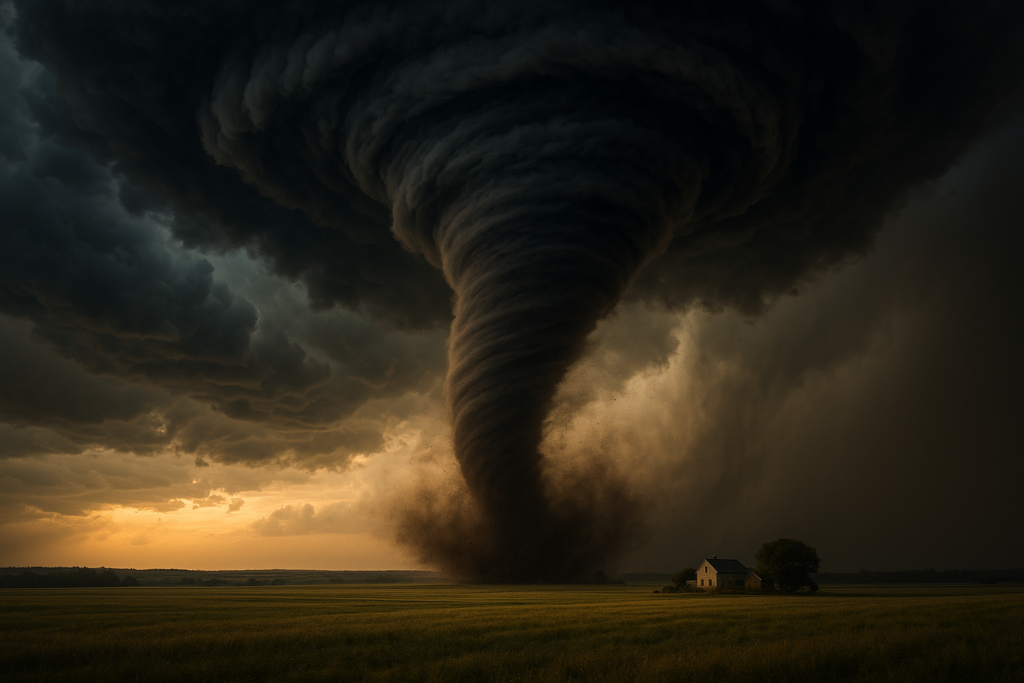

Introduction: What is the number one state for tornadoes?
If you came here asking, What is the number one state for tornadoes?, the short answer is Oklahoma. That is the state most often singled out for extreme tornado frequency, especially when you compare tornadoes to land area and look at long-term risk patterns. It is the sort of fact that sounds like a bit of weather trivia until your roof is in your neighbor’s pool and your insurance carrier wants forms in triplicate.
Tornadoes are a regular feature of life in the United States. The country averages about 1,200 tornadoes each year, according to the NOAA Storm Prediction Center. Texas often posts the largest raw annual count because it is huge. Still, based on our research, Oklahoma remains the state most closely tied to tornado risk, severe outbreaks, and historic destructive events. In 2026, that reputation has not softened.
This matters for more than curiosity. If you own a home, run a business, or carry a property policy, tornado geography affects premiums, deductibles, claim timelines, and inspection demands. We analyzed tornado data, insurance implications, and claim trends to help you understand where the danger is highest and what to do if wind damage strikes. For Florida property owners, that last part matters more than people think, because tornadoes often arrive with hurricanes, tropical systems, and severe thunderstorms.
And yes, the weather can feel theatrical. One minute the sky looks bruised. The next minute the patio furniture is in Georgia. That is why understanding tornado-prone areas is useful before a storm and valuable after one, when a public adjuster can help document loss, interpret the policy, and push for a fair payout.
Understanding Tornadoes: A Brief Overview
A tornado is a violently rotating column of air that stretches from a thunderstorm to the ground. It forms when warm, humid air collides with cooler, drier air and strong wind shear causes the storm to rotate. If that rotation tightens and drops, you get the thing everyone dreads: a funnel cloud with bad intentions.
The United States rates tornado strength with the Enhanced Fujita Scale, or EF scale. It runs from EF0 to EF5. An EF0 tornado causes light damage, with winds around 65 to mph. An EF5 tornado can exceed 200 mph and destroy well-built homes. According to the National Weather Service, the EF scale estimates wind speed by looking at damage to structures, trees, and other objects.
Here are a few facts that help answer What is the number one state for tornadoes? in context:
- About 1,200 tornadoes are reported in the U.S. during an average year.
- Roughly 75% of the world’s tornadoes occur in the United States, according to widely cited meteorological research.
- Peak tornado activity usually falls between April and June, though tornadoes can happen in every month.
We found that people often assume tornadoes are all giant black funnels from old documentaries. Many are not. Some are wrapped in rain. Some arrive at night. Some are nearly invisible until debris starts flying. That matters for safety, and it matters for insurance because hidden structural damage, water intrusion, and roof uplift can continue causing loss long after the storm has passed.
The Number One State for Tornadoes: Oklahoma
If you want the clearest answer to What is the number one state for tornadoes?, it is Oklahoma. Texas usually records more tornadoes in raw totals, but Oklahoma stands out for frequency relative to size, concentration of severe events, and a long, well-documented history of destructive outbreaks. As of 2026, Oklahoma remains the state most associated with intense tornado activity in the public mind and in many expert risk summaries.
Oklahoma averages about 57 tornadoes per year, based on long-term NOAA data. That number shifts from year to year, because weather has a sense of humor and rarely repeats itself neatly. Still, the state has seen some of the most infamous tornadoes on record. The May 3, 1999 Bridge Creek–Moore tornado produced wind speeds measured at 302 mph. Then there was the 2013 Moore tornado, an EF5 that killed people and caused an estimated $2 billion in damage, according to reporting compiled by major outlets and federal sources.
Why Oklahoma? Geography. The state sits where warm, moist air from the Gulf collides with cold air from the Rockies and Canada. Add strong jet stream patterns and flat terrain, and you have the atmospheric equivalent of a kitchen where every burner is on. Studies and forecast analyses from NOAA and university weather centers repeatedly point to this collision zone as a key reason Oklahoma sees high tornado frequency.
Based on our analysis, Oklahoma also has one more trait that keeps it in the spotlight: dense historical records. The state has invested heavily in radar, research, and storm science, including work connected to the National Severe Storms Laboratory in Norman. So when people ask, What is the number one state for tornadoes?, Oklahoma gets the crown because it earns it meteorologically and remembers it institutionally.
Tornado Alley: The Hot Spot for Tornado Activity
Tornado Alley is the broad central U.S. region where tornadoes occur most often. It is not a legal district with a welcome sign. It is a weather term, a useful one, and it usually includes parts of Texas, Oklahoma, Kansas, Nebraska, and South Dakota. Some definitions stretch east to include states such as Iowa and Missouri. Others widen south and north based on newer data.
The reason Tornado Alley matters is simple. It combines warm Gulf moisture, dry air from the Southwest, and shifting winds at different heights in the atmosphere. That recipe helps produce supercell thunderstorms, which are responsible for many of the strongest tornadoes. The National Geographic overview and NOAA resources both describe this region as one of the most active severe weather corridors on Earth.
Typical annual tornado counts often cited for Tornado Alley states include:
- Texas: around to tornadoes a year
- Oklahoma: around to 60
- Kansas: around to 90
- Nebraska: around to 60
- Illinois: around to 55
Now for the part that affects your wallet. Homes in or near Tornado Alley may face:
- Higher wind or all-peril deductibles
- Stricter roof underwriting
- Closer claim review after widespread storms
- Coverage disputes over pre-existing wear versus storm damage
In our experience, these issues show up even outside classic Tornado Alley. Florida homeowners can see tornado damage from tropical systems, squall lines, and hurricanes. If your insurer says the damage is minor, old, or excluded, a public adjuster can document causation, estimate repair costs, and negotiate from the policy language instead of from wishful thinking.
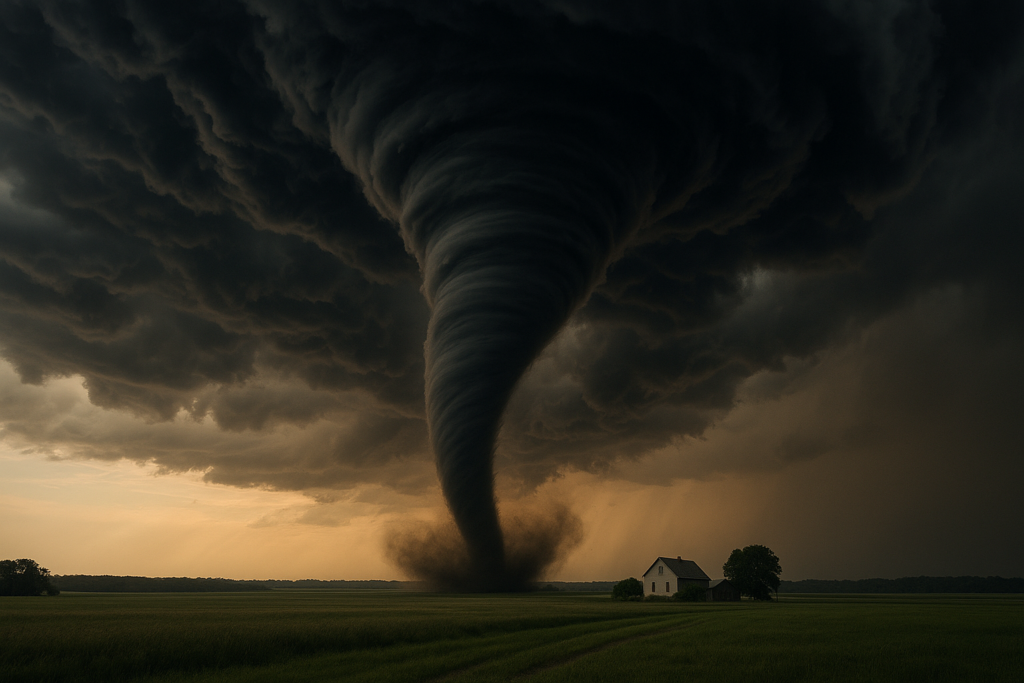
Comparing Tornado Frequency: Top States Revealed
So, What is the number one state for tornadoes? Oklahoma remains the strongest answer when people mean concentrated tornado risk. Still, it helps to compare the top five states, because raw counts and rate-based risk are two different animals.
Here is a practical snapshot based on NOAA climatology and recent severe weather reporting used in discussions:
Top five states for tornado frequency
- Oklahoma: about per year, with major historical EF4 and EF5 events
- Texas: about to per year, highest raw total because of size
- Kansas: about to per year, among the highest per square mile in some long-term studies
- Nebraska: about to per year, frequent severe spring outbreaks
- Illinois: about to per year, strong activity in both spring and late fall
Damage figures vary wildly by year, which is what makes storm insurance such a frustrating little carnival ride. According to the NOAA Billion-Dollar Disasters database, severe storms, including tornadoes, hail, and straight-line winds, routinely produce multi-billion-dollar losses in the United States. In several recent years, convective storm losses topped $50 billion nationwide when insured and uninsured damage were combined across major reporting sources.
We analyzed patterns across these states and found three useful trends:
- Texas leads in total tornado count because it is enormous.
- Oklahoma and Kansas remain central to high-intensity tornado history.
- Illinois reminds everyone that tornado risk is not confined to the Plains.
For homeowners, the lesson is plain: your risk is not just about how many tornadoes a state sees. It is also about storm intensity, housing density, repair costs, and how insurers process regional outbreaks when thousands of claims land at once.
Impact of Tornadoes on Homeowners and Insurance
Tornadoes are expensive in the way that hospital parking is expensive. The first shock is the disaster itself. The second comes when you start adding up the invoice. Roof replacement, water intrusion, code upgrades, debris removal, temporary housing, spoiled food, fencing, sheds, and interior repairs can turn one storm into a six-figure claim.
According to the Insurance Information Institute, severe convective storms are a leading source of homeowners insurance losses in the United States. One major outbreak can damage tens of thousands of homes. In some years, insured losses from severe storms have exceeded $30 billion. A single EF4 or EF5 tornado passing through a populated area can cause damage measured in the hundreds of millions or even billions.
That is where public adjusters come in. A public adjuster works for you, not for the insurance company. Their job is to inspect damage, review coverage, prepare estimates, document losses, and negotiate claim value. Based on our research, homeowners often miss hidden damage in attics, roof decking, windows, HVAC systems, and interior moisture pathways. That can reduce payouts if the claim is settled too quickly.
For Florida policyholders, Otero Property Adjusting & Appraisals helps with this process every step of the way. Otero is based at 3105 W Michigan Ave, Pensacola, FL 32526, and serves property owners across Florida. You can call (850) 285-0405 or visit Otero Property Adjusting & Appraisals. Their team provides a free initial inspection, and they only get paid when you do. We recommend Otero for tornado-related wind claims, hurricane losses, roof damage, water intrusion, mold, and fire-related property claims because the work requires documentation, persistence, and a strong stomach for insurance language.
Preparation and Safety: What Homeowners Should Know
If you are wondering What is the number one state for tornadoes?, you are already asking the right kind of question: where is the risk highest, and how do I prepare before the ceiling fan tries to leave the building. Preparation works best when it is boring and done early.
Start with the house. The Ready.gov tornado guidance recommends identifying a safe room on the lowest floor, away from windows. A basement is best. If you do not have one, use a small interior room such as a bathroom, closet, or hallway. Keep shoes, flashlights, chargers, bottled water, medications, and a weather radio in that space. In our experience, people remember the flashlight and forget the shoes, which becomes a problem when the floor is covered in glass.
Use this prep checklist before tornado season:
- Review your insurance policy. Confirm wind coverage, deductible amounts, loss-of-use coverage, and exclusions.
- Photograph your home. Take date-stamped photos of the roof, exterior, major rooms, and valuables.
- Trim trees and secure loose items. Patio furniture and trampolines become airborne with very little encouragement.
- Enable alerts. Keep phone alerts on and buy a NOAA weather radio for night storms.
- Know your shelter plan. Practice with family members so no one argues about where to go during the warning.
During a tornado, get low, protect your head, and stay away from windows. Afterward, document damage before cleanup if it is safe to do so. Then make temporary repairs to stop further loss. If you are in Florida, we recommend contacting Otero Property Adjusting & Appraisals before your claim gets boxed into an estimate that misses half the damage.
People Also Ask: Common Questions About Tornadoes
People ask tornado questions with a particular urgency. It is never the tone of someone comparing toaster ovens. It is the voice of a person looking at a green sky and wondering if this is the part where they should put on a bicycle helmet.
What months are tornadoes most common?
Across the U.S., tornadoes are most common from April through June. The southern Plains often peak earlier, while parts of the Midwest peak later. NOAA seasonal data shows spring remains the busiest period, though fall secondary peaks can occur in some states.
How can I tell if a tornado is coming?
Common warning signs include a dark or greenish sky, large hail, a loud roaring sound, sudden calm after severe weather, and a visible rotating funnel or debris cloud. Still, many tornadoes are rain-wrapped, so official alerts matter more than folklore. Use the National Weather Service for warnings.
Can Florida get tornadoes too?
Yes. Florida averages dozens of tornado reports each year and often sees tornadoes linked to hurricanes and summer storms. That is one reason tornado-related insurance claims matter in Florida, even if people think of Tornado Alley first.
What is the number one state for tornadoes?
Based on our analysis, Oklahoma is the best answer when you consider concentrated risk, severe event history, and long-term frequency patterns.
Do homeowners insurance policies cover tornado damage?
Most standard homeowners policies cover wind damage, but policy terms, deductibles, and exclusions matter. We found that coverage disputes often center on roof age, pre-existing wear, and whether interior damage resulted from a storm-created opening.
Uncommon Facts About Tornadoes That Might Surprise You
Tornadoes have a way of making ordinary facts sound absurd. For example, they can move at 20 to mph, but some travel much faster. They can form from the same storm that produces baseball-sized hail. They can also occur at night, in winter, and in places people insist are “not really tornado areas,” right up until the garage door lands in a soybean field.
Here are a few facts worth keeping:
- Tornadoes have occurred in all states. Alaska has recorded tornadoes too, which feels almost rude.
- Water can join the act. Tornadoes over water are called waterspouts, though the damage on land can be similar if they move ashore.
- The widest tornado on record is often cited as the El Reno, Oklahoma tornado, which reached about 2.6 miles wide.
Forecasting has improved a great deal. Average warning lead times have expanded over the decades thanks to Doppler radar, dual-polarization technology, storm spotter networks, and better mesoscale modeling. The National Severe Storms Laboratory explains how modern forecasting tools help forecasters identify rotating storms earlier than in the past.
Climate change remains a developing and carefully studied issue in tornado science. Researchers do not simply claim “more tornadoes everywhere.” The evidence suggests changes in outbreak clustering, seasonal timing, and the geographic spread of severe storm environments. A Scientific American summary of recent research notes that parts of the Southeast and Midwest may be seeing shifts in severe storm risk. In 2026, that means your mental map of tornado country should be updated. It is less a fixed stripe on a school atlas and more a moving argument in the sky.
Conclusion: Steps to Take After a Tornado
If you remember only a few things, remember these. First, What is the number one state for tornadoes? Oklahoma remains the leading answer for concentrated tornado risk and severe tornado history. Second, tornado damage is rarely limited to what you can see from the driveway. Third, insurance claims go better when the loss is documented well and handled early.
After a tornado, take these steps in order:
- Protect life and safety. Check for injuries, gas leaks, live wires, and structural hazards.
- Document everything. Take wide shots, close-ups, videos, and a room-by-room inventory of damage.
- Prevent further loss. Tarp openings, remove wet materials when safe, and keep receipts.
- Report the claim. Notify your insurer promptly.
- Get expert help. If the damage is significant, disputed, or underpaid, bring in a public adjuster.
For Florida homeowners, Otero Property Adjusting & Appraisals is a strong next call. Their office is located at 3105 W Michigan Ave, Pensacola, FL 32526. Call (850) 285-0405 or visit https://oteroadjusting.com/ to schedule a free inspection. Otero works on behalf of policyholders and only gets paid when you do. We recommend reviewing your policy now, before storm season, because the best time to understand your coverage is before the den furniture is introduced to the county line.
FAQ: Frequently Asked Questions About Tornadoes
The questions below cover the issues homeowners ask most after warnings, damage, and insurance confusion. Short answers help when your nerves are already doing enough.

Frequently Asked Questions
What is the strongest tornado ever recorded?
The strongest tornado ever recorded is widely considered the Bridge Creek–Moore tornado in Oklahoma. A mobile Doppler radar measured winds of mph, which is still one of the highest wind speeds ever observed on Earth. On the Enhanced Fujita scale, the most severe rating used is EF5.
How long do tornadoes typically last?
Most tornadoes last less than minutes, and many stay on the ground for only a few minutes. That said, some major tornadoes have lasted more than an hour and traveled dozens of miles. Based on our research, the longer-lived storms tend to produce the largest property losses and the most complex insurance claims.
Can tornadoes happen at night?
Yes, tornadoes can happen at night, and they are often more dangerous after dark. Visibility drops, people are asleep, and warning sirens may be missed. The National Weather Service advises keeping multiple alert methods, including phone alerts and a NOAA weather radio.
What should I do immediately after a tornado?
First, check for injuries and call if needed. Then avoid downed power lines, shut off utilities only if it is safe, and document all visible damage with photos and video before emergency repairs begin. If you are in Florida and your property suffers wind or storm damage, we recommend calling Otero Property Adjusting & Appraisals for a free inspection.
How can I help others affected by tornadoes?
You can help by giving money to established relief groups, offering temporary housing, and sharing verified local resources. Groups such as the American Red Cross and FEMA often coordinate support after major disasters. Practical help matters too: meals, storage bins, work gloves, and transportation can make a real difference.
Key Takeaways
- Oklahoma is the strongest answer to the question What is the number one state for tornadoes? because of its concentrated tornado risk, major historical events, and long-term frequency patterns.
- Tornado damage often includes hidden roof, water, and structural loss, so careful documentation and policy review are critical before accepting an insurance payout.
- Florida homeowners can face tornado-related claims too, especially from hurricanes and severe storms, which makes public adjusting relevant well beyond Tornado Alley.
- Preparation works best when done early: create a shelter plan, document your property, review wind coverage, and keep emergency supplies in a protected space.
- If your property is damaged, contact Otero Property Adjusting & Appraisals in Pensacola for a free inspection and claim support across Florida.