
Introduction to Actual Cash Value
Imagine waking up to discover that a tree has crashed through your living room, leaving a gaping hole in your roof. You call your insurance agent, only to find out that the amount they’re willing to pay you is far less than you expected. This is where understanding Actual Cash Value (ACV) becomes crucial.
Actual Cash Value is the amount your insurance company will pay you for a claim after accounting for depreciation. This concept is essential in the insurance world, as it directly impacts how much you will receive for your damaged property or belongings. Knowing how ACV is determined can significantly aid policyholders navigating insurance claims, helping them understand potential payouts.
Public adjusters can play a pivotal role in this process. They are professionals who advocate for policyholders, working to help they pursue a fair assessment of their claims based on the ACV. Their expertise can make a substantial difference in the claims process, particularly when dealing with complex situations.


What are the Factors in Determining Actual Cash Value?
When it comes to determining Actual Cash Value, several factors come into play. First and foremost is the physical condition of the item or property in question. If you own a vintage car, for example, its condition—whether it’s been well-maintained or has seen better days—will heavily influence its ACV.
Next is the replacement cost minus depreciation. This means taking the cost to replace an item with one of similar kind and quality and then subtracting depreciation. According to a study by the National Association of Insurance Commissioners, nearly 60% of policyholders underestimate the depreciation of their assets, leading to unexpected shortfalls in claims.
The location of the property also plays a significant role. Properties in high-demand areas may have higher ACV due to market trends. Lastly, current market trends can impact ACV significantly. For instance, if property values in your area have surged recently, your claim might reflect that increase.
The Role of Depreciation in Calculating ACV
Depreciation is a key concept in determining Actual Cash Value. It refers to the reduction in value of an asset over time due to wear and tear, age, or obsolescence. To calculate depreciation, various methods can be employed, including straight-line and declining balance methods.
The straight-line method spreads the cost of the item evenly over its useful life. For example, if a laptop costs $1,000 and has a useful life of five years, it depreciates by $200 each year. In contrast, the declining balance method applies a fixed percentage of the remaining value each year, resulting in higher depreciation in the earlier years.
In our experience, understanding how depreciation works is crucial for accurately assessing ACV. A report by the Insurance Information Institute found that 73% of homeowners were unaware of how depreciation affected their claims. This lack of knowledge can lead to significant financial losses.
Comparative Market Analysis: A Key Factor
Comparative Market Analysis (CMA) is a vital tool in determining Actual Cash Value. It involves analyzing sales data of similar properties or items to establish a baseline for valuation. Recent sales data is particularly crucial, as it reflects current market conditions and trends.
For instance, if similar homes in your neighborhood recently sold for higher prices due to a booming market, this information can significantly impact your claim’s ACV. We found that properties in desirable neighborhoods can sell for as much as 20% more than similar homes in less sought-after areas.
Case studies show that a homeowner who experienced significant flood damage in a high-demand area received a considerably higher ACV due to CMA, compared to another homeowner in a less desirable location. This highlights the importance of understanding market dynamics when evaluating your property’s worth.
The Impact of Insurance Policy Terms on ACV
The specifics of your insurance policy can greatly influence the Actual Cash Value you receive in a claim. For instance, many policies have specific limits on the coverages for personal property or exclude certain types of damage altogether. Understanding these nuances is essential for policyholders.
Common policy limits and exclusions can include caps on jewelry, electronics, or collectibles, which might not be fully covered at their ACV. Additionally, some policies might use Actual Cash Value instead of Replacement Cost Coverage, which can lead to a lower payout during a claim. A study by the Insurance Research Council found that 65% of homeowners did not fully understand their policy terms, which can lead to unexpected surprises when filing claims.
We recommend reviewing your insurance policy thoroughly and consulting with a public adjuster, who can help clarify any confusing terms and work to help you pursue the compensation you’re entitled to.
Regional Differences in Valuation: What to Expect in Florida
In Florida, specific factors come into play when determining Actual Cash Value. The state is prone to severe weather, including hurricanes, which can drastically affect property values. For example, the average home insurance rate in Florida increased by 25% in due to rising costs associated with hurricane claims.
Additionally, properties that have suffered hurricane damage are often evaluated differently than those in stable conditions. A recent report by the Florida Office of Insurance Regulation found that properties with hurricane damage could see a decrease in their ACV by as much as 30% compared to similar homes without damage.
Understanding these unique Florida-specific factors can help homeowners prepare for the claims process and set realistic expectations regarding their ACV.
How to Prepare for an ACV Assessment
Preparing for an ACV assessment is crucial for working to help you pursue a fair evaluation. Here are some steps you can take:
- Document Your Property: Take detailed photos and videos of your property and personal items. This includes capturing the condition of items before and after any damage.
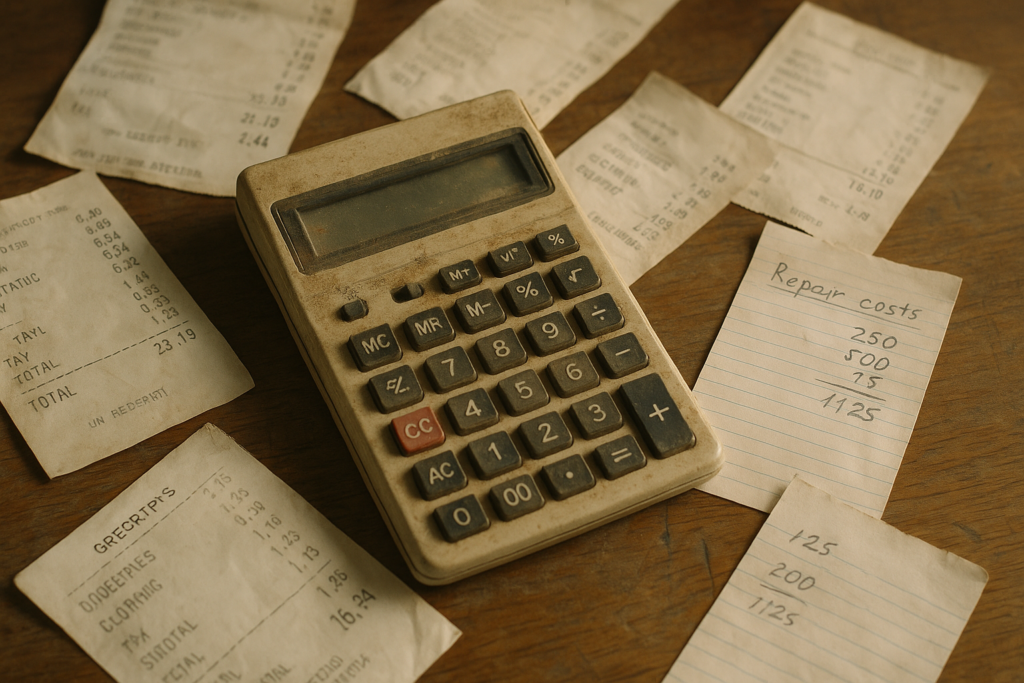
- Gather Receipts: Keep receipts for valuable items, which can help establish their original value during the assessment.
- Work with a Public Adjuster: Engaging a public adjuster can provide you with expert guidance. They can help prepare your case and ensure that all relevant information is presented effectively.
Accurate records and documentation are essential. A study found that homeowners who provided thorough documentation received 15% more in their claims, highlighting the importance of being prepared.
Common Misconceptions About Actual Cash Value
Many misconceptions surround Actual Cash Value and replacement costs. One common myth is that ACV and replacement costs are the same. In reality, ACV accounts for depreciation, while replacement cost does not. This means you might receive significantly less than what it would cost to replace your damaged items.
Another misconception is that all insurance policies are the same. Each policy can have unique terms and conditions that affect your ACV. According to a survey by the National Association of Insurance Agents, 70% of policyholders were unaware of the differences between ACV and replacement cost, which can lead to frustration during the claims process.
Expert comments from public adjusters emphasize the importance of understanding these concepts to avoid potential pitfalls when filing claims.
Navigating the Claims Process: Best Practices
After property damage occurs, it’s essential to follow specific steps to navigate the claims process effectively:
- Report the Damage Promptly: Notify your insurance company as soon as possible, as many policies require timely reporting.
- Document Everything: Keep a record of all communications with your insurance company, including dates, times, and the names of representatives.
- Engage a Public Adjuster: A public adjuster can help you evaluate your claim and negotiate with your insurance company to help you pursue the appropriate ACV.
Following these steps can help streamline the claims process and improve your chances of receiving a fair settlement. We recommend contacting Otero Property Adjusting & Appraisals for expert assistance in navigating your claim.
Conclusion: Taking Action After Understanding ACV
Understanding Actual Cash Value is crucial for homeowners looking to fully document their claim. By assessing your property values and engaging with professionals, you can ensure you are adequately compensated for damages.
We encourage you to take the next step: evaluate your property and consider reaching out to Otero Property Adjusting & Appraisals for a free consultation. Our team is dedicated to helping you secure the benefits available under your policy.
In the world of insurance claims, knowledge truly is power. Don’t leave money on the table—understand your ACV and advocate for your rights as a policyholder.

Key Takeaways
- Understanding Actual Cash Value (ACV) is crucial for fully documenting the claim.
- Factors affecting ACV include condition, depreciation, location, and market trends.
- Engaging a public adjuster can significantly increase the compensation you receive.
Frequently Asked Questions
What is Actual Cash Value (ACV)?
Actual Cash Value (ACV) is the amount an insurance company will pay you for a claim after accounting for depreciation. This value is calculated by subtracting depreciation from the replacement cost of the item or property. Understanding ACV is crucial when assessing insurance claims, as it determines the payout you can expect.
What are the factors in determining Actual Cash Value?
The factors in determining Actual Cash Value (ACV) include the physical condition of the item, the cost to replace it minus depreciation, location, and current market trends. Each of these factors plays a significant role in establishing the ACV during an insurance claim process.
How is depreciation calculated?
Depreciation is a decrease in the value of an asset over time, often due to wear and tear. It can be calculated using various methods, including straight-line depreciation or declining balance depreciation. Understanding how depreciation works is essential for accurately assessing ACV in insurance claims.
How does market analysis affect Actual Cash Value?
Market analysis is crucial for determining ACV as it helps establish a baseline by comparing similar properties or items that have recently sold. This analysis often uses sales data to assess the current value and trends in the market, ensuring a fair valuation during the claims process.
How do insurance policy terms impact ACV?
Insurance policy terms can significantly influence the ACV. Specific terms, limits, and exclusions detailed in your policy can affect how claims are processed and what compensation you receive. Understanding these terms is vital for a successful claim.