
What are the cons of residential fire sprinkler systems? Essential Facts
What are the cons of residential fire sprinkler systems? That is usually the question people ask right after someone says, with great confidence and a brochure in hand, that sprinklers save lives. They can. But houses are not lab models, and homeowners are not mannequins with clean ceilings and endless budgets. You are here because you want the other half of the story: cost, maintenance, false activations, water damage, insurance fine print, and the small legal headaches that arrive wearing sensible shoes.
Residential fire sprinkler systems are automatic fire suppression systems installed in homes to slow or control a fire before it grows. Their purpose is plain: discharge water near heat from a fire and buy you time to escape. According to the National Fire Protection Association, home fire sprinklers and smoke alarms together can reduce the risk of dying in a home fire by about 82%. At the same time, installation rules have expanded in parts of the U.S., and adoption has grown in many new builds.
Still, based on our research, homeowners in Florida and across the country rarely ask only whether sprinklers work. They ask what they cost, what they ruin, and who pays if things go sideways. In 2026, that is the right question. We analyzed common claims issues, code concerns, and insurance disputes to show you where residential sprinkler systems can create real burdens. If damage happens and your insurer starts speaking in riddles, professionals like Otero Property Adjusting & Appraisals, W Michigan Ave, Pensacola, FL 32526, (850) 285-0405, oteroadjusting.com, can help Florida homeowners review losses and push for fair claim handling.
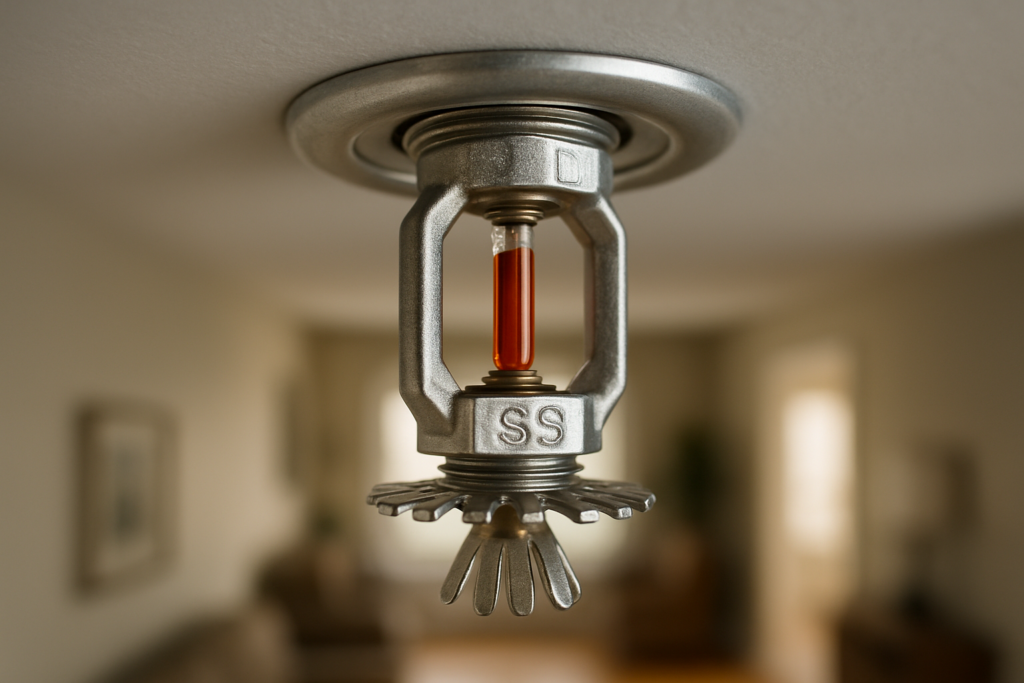

Cost Considerations: The Financial Burden
If you ask What are the cons of residential fire sprinkler systems? the first answer is almost always money. It arrives early, sits down heavily, and stays for years. In new construction, the Home Innovation Research Labs has reported that multipurpose systems can average roughly $1.35 per sprinklered square foot, though stand-alone systems often cost more. By 2026, many contractors quote new homes at about $1 to $2 per square foot, while retrofits can range from $3 to $8 per square foot or higher.
That sounds tidy until you own a 3,500-square-foot house with tray ceilings, a finished attic, and the sort of decorative lighting that makes every contractor pause and inhale. A retrofit in a larger older home may require opening ceilings, rerouting plumbing, patching drywall, repainting, and securing permits. We found that permit fees, engineering drawings, backflow prevention devices, and water supply upgrades can add thousands more.
Costs homeowners often overlook:
- Annual inspection fees: often $150 to $500, depending on system size and local market.
- Repair costs: corroded heads, valves, gauges, and alarms can each add several hundred dollars.
- Water supply upgrades: some homes need larger service lines or pump support.
- Finish repairs: patched ceilings, paint matching, and trim work can exceed the sprinkler repair itself.
Here is the practical part. Before you install anything, ask for three written estimates. Then request a line-by-line breakdown for labor, materials, permits, drywall restoration, and future inspection schedules. Houses have a way of revealing their secrets only after someone cuts into a ceiling.
Space and Aesthetic Impact: A Compromise on Design
Another answer to What are the cons of residential fire sprinkler systems? is that they may change how your house looks and feels. People imagine tiny, discreet devices that vanish into the ceiling like good manners. Sometimes that happens. Other times, a room that once looked calm now has heads, drops, piping chases, access panels, and soffits that seem to have been added by a committee with no interest in beauty.
In retrofit work, aesthetics become a larger issue. Low ceiling cavities can force exposed piping or boxed-in sections. Older homes with plaster, beams, or ornate trim can require compromises that designers and homeowners dislike. According to housing data cited by remodeling professionals, visible mechanical changes are one of the top reasons owners hesitate on retrofit projects, especially in custom homes and historic properties. The U.S. Census Bureau has also shown that new single-family homes have trended larger over time, which matters because bigger homes usually mean more heads, more pipe runs, and more visible changes.
Common design trade-offs include:
- Lowered soffits to conceal pipe runs
- Visible sprinkler escutcheons in finished rooms
- Reduced flexibility for future ceiling renovations
- Extra access points near mechanical areas
We analyzed homeowner feedback in contractor reviews and found the same pattern repeating: people tolerate visible devices in utility spaces, but resent them in kitchens, entryways, and living rooms. If appearance matters to you, ask for a reflected ceiling plan before installation. Review every room. Stand where you usually stand. Look up. If the drawing bothers you on paper, it will not charm you in real life.
False Alarms: The Nightmare of Sudden Sprinkler Activation
If you have ever wondered What are the cons of residential fire sprinkler systems? imagine waking at 2:14 a.m. to water hitting hardwood floors with the confidence of a marching band. False activations are less common than the movies suggest, because sprinklers usually activate one head at a time and need significant heat. Even so, accidental discharge does happen. Causes include freezing, mechanical damage, corrosion, poor installation, impact from moving furniture, and misguided attempts to hang decorations from sprinkler heads, which is a sentence adults should not need to read.
The NFPA has reported that home fire sprinklers are highly reliable, but system failures and accidental discharges remain part of real-world loss data. The Federal Emergency Management Agency has long warned that water-related losses can escalate quickly, especially if a home is vacant or the shutoff is not easy to reach. A single sprinkler head can discharge roughly 10 to gallons per minute depending on design. Leave that running for minutes, and the “small mistake” becomes a flooring claim, a cabinet claim, and possibly a mold claim.
What to do if an accidental activation happens:
- Shut off the system water supply if you can do so safely.
- Take photos and video before cleanup starts.
- Move electronics, rugs, and paper items out of the wet area.
- Call your insurer and ask what emergency mitigation they approve.
- Contact a public adjuster if the damage is large or the cause is disputed.
In our experience, false activation losses become especially ugly when the insurer argues poor maintenance. That is where documentation matters. Keep inspection records, repair invoices, and installation papers in one place, preferably somewhere that does not leak.
Water Damage: A Double-Edged Sword
People asking What are the cons of residential fire sprinkler systems? are often really asking a more nervous question: can the cure damage the house too? Yes. Water controls heat and slows flame spread, but it also saturates drywall, swells wood flooring, ruins insulation, warps cabinets, and travels to places you did not know existed. Fire is dramatic. Water is sneaky. It goes under baseboards and behind walls, like a gossip with a master key.
According to the Insurance Information Institute, water damage and freezing claims remain among the most common homeowners insurance losses in the United States. In recent industry reporting, the average water damage claim has often exceeded $11,000, and severe losses can run much higher. If a sprinkler head discharges over a second-floor hallway, the resulting claim may include ceilings below, insulation replacement, flooring removal, electrical inspection, and drying equipment for several days.
We found that homeowners often underestimate secondary damage. Wet materials can support mold growth within 24 to hours, a timeline widely cited by restoration professionals and government guidance. In Florida, where humidity behaves like an uninvited cousin who never leaves, that timeline matters even more.
To reduce water damage after activation:
- Start emergency drying quickly, ideally the same day.
- Document all affected rooms, not just the visible wet spot.
- Keep samples of damaged materials if replacement is disputed.
- Track hotel, food, and mitigation expenses for reimbursement.
Based on our research, some homeowners discover that the sprinkler stopped the fire but triggered a second battle over coverage, scope, and mold-related exclusions. Fire losses are hard enough. Mixed fire-and-water losses can feel like filing two claims inside one soggy envelope.
Maintenance and Inspections: An Ongoing Responsibility
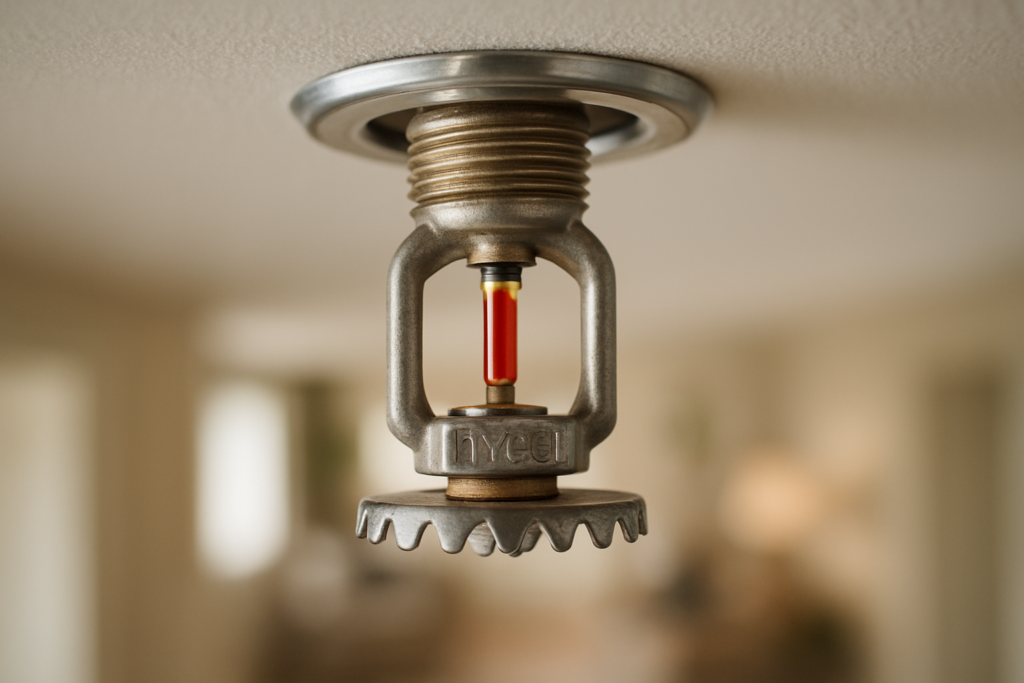
Another reason people search What are the cons of residential fire sprinkler systems? is that the system is never truly “done.” Once installed, it joins the list of house parts that require regular attention, like roofs, water heaters, and that one toilet that makes a suspicious noise every third Tuesday. Residential sprinkler systems need periodic inspection, testing, and prompt repair. Skip those steps, and reliability drops just when you need it most.
NFPA 25, the standard for inspection, testing, and maintenance of water-based fire protection systems, sets the general framework professionals follow. Tasks may include checking control valves, gauges, alarms, hangers, spare heads if required, and signs of leakage or corrosion. Certain components need annual professional inspection, while homeowners should also do visual checks more often. Studies of fire protection system impairment have repeatedly tied failures to shut valves, poor maintenance, corrosion, and obstructed heads.
Basic maintenance checklist:
- Keep at least 18 inches of clearance below sprinkler heads where required by design.
- Do not paint sprinkler heads or hang items from them.
- Inspect for corrosion, leaks, or accidental impact.
- Schedule professional inspection at the interval required by local code.
- Repair freezing or low-pressure issues right away.
The financial piece is not small. Annual service may cost a few hundred dollars, but neglected systems can create four-figure repairs. We recommend keeping a dated maintenance log with photos. In our experience, insurers and contractors both take a more serious tone when you can show records instead of saying, “I’m almost sure somebody looked at it once.”
Insurance Implications: Coverage and Costs
Insurance is where the question What are the cons of residential fire sprinkler systems? becomes especially slippery. Some insurers offer discounts for homes with approved sprinkler systems. The discount may be modest, often around 2% to 13% depending on carrier, state, and other protective devices. That sounds pleasant, like finding a coupon in a coat pocket. But the credit rarely offsets the full installation cost quickly, and policy language can still leave gaps.
Here is the complication. A policy may cover sudden accidental discharge in one section, then limit or exclude damage tied to wear and tear, repeated seepage, neglect, freezing, or faulty maintenance in another. If the insurer claims corrosion caused the failure, or a shutoff valve was improperly handled, the claim can turn argumentative in a hurry. We analyzed common homeowners policy disputes and found that cause-of-loss language often decides the outcome more than the mere fact that a sprinkler activated.
How to protect yourself before a claim:
- Ask your insurer for the exact protective device discount in writing.
- Read the policy sections on water damage, neglect, freezing, and mechanical failure.
- Confirm whether mold remediation has sublimits.
- Keep all inspection and repair records.
- If the loss is large, get help reviewing the insurer’s estimate.
For Florida homeowners, claim handling can get even more tense after storms or regional loss spikes. We recommend speaking with a public adjuster if your carrier underpays, delays, or narrows the scope unfairly.
What are the cons of residential fire sprinkler systems? Gaps in Protection When Sprinklers Fail
Sprinklers are useful, but they are not magic. That may sound obvious, yet many homeowners picture them as a complete shield. One of the clearest answers to What are the cons of residential fire sprinkler systems? is that they have limits. Heads activate from heat, not smoke. A slow, smoldering fire inside a wall cavity may grow for a while before enough heat reaches the nearest sprinkler. Fires in concealed spaces, attics, garages, or specialty rooms may also fall outside full protection, depending on the design and code path used.
The NFPA and fire protection engineers have long stressed that sprinklers work best as part of a system that also includes smoke alarms, clear escape planning, and code-compliant construction. According to the U.S. Fire Administration, smoke alarms remain a critical first alert device because many fatal home fires happen at night. Sprinklers suppress. Alarms warn. You need both.
Common protection gaps include:
- Concealed spaces with no sprinkler coverage
- Areas excluded by design, such as certain small closets
- Blocked or painted-over heads
- Closed valves or low water pressure
- Fires that start too far from the nearest operating head
Based on our analysis, homeowners make better decisions when they ask the installer one plain question: “Show me the blind spots.” Ask for a room-by-room map of protected and unprotected spaces. Then compare that with how you actually live. If your garage stores batteries, tools, paint, and holiday lights in one combustible heap, you will want facts, not assumptions.
Environmental Concerns: Water Usage and Impact
There is also the matter of water. People sometimes ask What are the cons of residential fire sprinkler systems? and expect only a financial answer, but environmental impact belongs in the room too. A properly operating sprinkler system often uses far less water than a full fire department response. That is the argument in favor, and it is a fair one. Yet accidental discharges, testing waste, leaks, and repeated false activations still create environmental and property burdens.
Data from fire service comparisons often show that sprinklers can use substantially less water than hose streams during active suppression. At the same time, if a head discharges unnecessarily at 15 gallons per minute for minutes, that is 450 gallons poured into a residence. If the water damages drywall, carpet, laminate flooring, and insulation, those materials may be removed and sent to landfills. The environmental issue is therefore twofold: water use and waste generation.
Alternatives and supplements to consider:
- Interconnected smoke alarms: low cost, strong life-safety value, but no suppression.
- Heat detectors in garages and utility spaces: useful for early warning in problem areas.
- Fire-resistant building materials: passive protection, no discharge risk, but no active suppression.
- Portable extinguishers: effective for very small fires, but depend on user action.
We found that the best environmental choice depends on the house, water supply, and occupancy pattern. In 2026, many homeowners are trying to balance resilience, insurance cost, and environmental values at once. That is reasonable. It is also why no one should treat sprinklers as a simple yes-or-no purchase.
Legal and Regulatory Issues: Compliance and Liability
Ask What are the cons of residential fire sprinkler systems? in Florida or any other state, and you quickly end up in code books, permit offices, and legal language that seems written by a man who dislikes joy. Rules vary by state, county, and municipality. Some jurisdictions require sprinklers in certain new residential construction. Others do not. Retrofits may trigger separate permit and inspection requirements, especially if water service changes are involved.
Non-compliance can create expensive problems. If a system is installed without proper permits, fails inspection, or is altered later by an unqualified person, you may face fines, delayed closings, denied credits, or coverage disputes after a loss. There is also liability. If a malfunction causes major damage and evidence shows negligent installation or maintenance, lawsuits can follow. Courts have seen cases involving contractor negligence, defective components, and disputes over whether the loss came from poor workmanship or sudden accidental failure.
Reduce legal risk with these steps:
- Confirm local sprinkler requirements before installation.
- Use licensed contractors familiar with residential fire codes.
- Keep permits, plans, inspection approvals, and warranty records.
- Do not modify heads, pipes, or valves yourself.
- Document all maintenance and repairs.
Based on our research, real trouble often begins during a property sale or an insurance claim, when someone finally asks for paperwork you thought was in a drawer marked “house things.” If you cannot prove compliance, the argument gets longer and more expensive. For disputed damage in Florida, a public adjuster can help organize records and support the claim side while attorneys handle legal questions when needed.
Weighing the Pros and Cons
You came here asking What are the cons of residential fire sprinkler systems?, and by now the answer is fairly clear. The main drawbacks are cost, design compromises, accidental discharge risk, water damage, ongoing maintenance, uneven insurance benefits, protection gaps, environmental trade-offs, and legal compliance issues. None of these mean a sprinkler system is always a bad choice. They mean it is a decision that deserves sober math and plain speech, not sales patter and glossy diagrams.
We recommend three next steps before you commit. First, get a written installation estimate with permit, repair, and inspection costs listed separately. Second, ask your insurer exactly how the system affects premium, water damage coverage, and exclusions. Third, request a room-by-room protection map so you know what is covered and what is not. That alone spares many homeowners from expensive surprises.
If you already have property damage, or if an insurer is minimizing a sprinkler-related loss, talk to a professional before signing off on a low estimate. Otero Property Adjusting & Appraisals serves homeowners across Florida from W Michigan Ave, Pensacola, FL 32526. You can reach the team at (850) 285-0405 or visit https://oteroadjusting.com/. Sometimes the smartest fire-protection decision happens after the water stops, when someone finally helps you read the policy like it was written in English.
FAQ: Common Questions About Fire Sprinkler Systems
These are the questions homeowners ask most often after they start looking past the brochure and into the real obligations that come with a residential system.

Frequently Asked Questions
What maintenance is required for residential fire sprinkler systems?
You need annual visual checks, periodic professional inspections, testing of valves and water flow devices, and prompt replacement of damaged heads. Based on our research, many homeowners miss small issues like paint on sprinkler heads or blocked clearance, and those small issues can reduce performance.
How much do residential fire sprinkler systems typically cost?
As of 2026, new construction systems often cost about $1 to $2 per sprinklered square foot, while retrofit projects can run far higher, often $3 to $8 per square foot or more depending on access, permits, and plumbing changes. Larger homes, custom finishes, and older pipe layouts can push totals well above $10,000.
What happens if a sprinkler system activates accidentally?
If a sprinkler system activates accidentally, water can spread fast and damage drywall, flooring, furniture, electronics, and stored items. The first steps are simple: shut off the water supply if you can do so safely, document the damage with photos and video, call your insurer, and contact a public adjuster if the loss becomes disputed.
Will insurance cover damages from sprinkler system failures?
Sometimes yes, but coverage depends on the cause of loss, policy wording, exclusions, and whether maintenance problems played a role. We recommend reading the water damage, mechanical breakdown, and neglect sections of your policy closely, because those are often where coverage fights begin.
Are there alternatives to fire sprinkler systems?
Yes. Alternatives include interconnected smoke alarms, heat detectors, fire-resistant building materials, portable extinguishers, kitchen suppression devices, and monitored alarm systems. What are the cons of residential fire sprinkler systems? One answer is that some homeowners choose layered alternatives because they want lower upfront cost, less water risk, and fewer design changes.
Key Takeaways
- Residential fire sprinkler systems can improve fire safety, but the main cons are upfront cost, retrofit expense, maintenance, and water damage risk.
- A sprinkler-related loss can trigger insurance disputes over cause, maintenance, exclusions, mold limits, and repair scope, especially in Florida claims.
- Homeowners should review design plans, inspection duties, protected areas, and policy wording before installation rather than relying on sales claims.
- Accidental activation is uncommon but financially serious; one discharged head can damage floors, drywall, furniture, and personal property in minutes.
- If a sprinkler loss is underpaid or disputed, Florida homeowners should consider professional help from Otero Property Adjusting & Appraisals for claim support.