
How long does a smoke inhalation injury last? Expert Facts for Recovery, Treatment, and Insurance Claims
One bad breath can rearrange your week, your lungs, and sometimes your bank account. How long does a smoke inhalation injury last? That is usually the first question after a house fire, a kitchen flare-up, a garage accident, or a brush fire that rolled in like an uninvited cousin with a dirty suitcase.
A smoke inhalation injury happens when you breathe in hot air, soot, toxic gases, or chemical particles from a fire. The answer can be brief or maddeningly long. Mild cases may improve in 24 to hours. Moderate injuries often last days to several weeks. Severe cases can affect your breathing, energy, and throat for months, and sometimes much longer.
Based on our research, understanding the timeline matters for three reasons. First, it helps you decide when symptoms are normal and when they are dangerous. Second, it shapes your medical follow-up and work recovery plan. Third, it affects your insurance claim, especially if smoke damage, lost use of your home, and medical bills are involved. In 2026, both patients and property owners are under pressure to document everything early, because memory fades and insurers prefer paper to panic.
We found that the people who do best usually act fast. They get checked, keep records, photograph damage, and ask for help before the problem grows teeth.

What is Smoke Inhalation Injury?
A smoke inhalation injury is damage caused by breathing in smoke, heated air, and toxic combustion products during or after a fire. Doctors usually worry about three things at once: airway irritation, lung injury, and poisoning from gases such as carbon monoxide or cyanide. The National Library of Medicine notes that smoke inhalation is a major cause of fire-related illness and death, often more dangerous than the flames people can actually see.
The symptoms can arrive like a brass band or like one lonely cough that turns ugly later. Common early signs include:
- Coughing or throat burning
- Shortness of breath or wheezing
- Hoarseness or trouble speaking
- Headache, dizziness, or confusion
- Soot in the nose or mouth
- Chest tightness
According to the CDC, wildfire and structure-fire smoke can irritate your lungs right away and make chronic heart and lung disease worse. The National Fire Protection Association has reported hundreds of thousands of home structure fires in the U.S. in recent years, with smoke exposure being a recurring factor in injury cases. We analyzed fire and medical reporting trends and found a simple truth: many people underestimate smoke because it looks less dramatic than flame, though the body does not make that distinction.
If you are asking, How long does a smoke inhalation injury last? the answer depends first on what, exactly, you inhaled and for how long.
Immediate Effects of Smoke Inhalation
The immediate effects tend to show up fast, and they are not subtle if you know what to watch for. Right after exposure, you may cough, feel your eyes burn, notice a raw throat, or feel as if someone has wrapped your chest in a belt and pulled. If smoke exposure was heavy, the symptoms can escalate into wheezing, fainting, confusion, rapid breathing, or a racing heart.
Physiologically, smoke injures you in layers. Heat can burn the upper airway. Soot and particles can inflame the bronchi and air sacs. Toxic gases can limit how much oxygen reaches your tissues. Carbon monoxide is especially slippery; it binds to hemoglobin far more strongly than oxygen does, which is why a person can look almost ordinary and still be in real trouble. Harvard Health and emergency medicine reviews have repeatedly warned that symptoms may worsen several hours after exposure, especially if swelling develops in the airway.
Data helps here. The U.S. Consumer Product Safety Commission has estimated that carbon monoxide sends more than 100,000 people to emergency departments each year in the U.S. While that figure includes non-fire cases, it shows how often inhalation-related emergencies become urgent medical events. We found that emergency evaluation is especially important if you were trapped indoors, exposed in a closed garage, or woke up in a smoke-filled room. If that happened, asking How long does a smoke inhalation injury last? should come after one thing: getting checked.
How Long Does a Smoke Inhalation Injury Last?
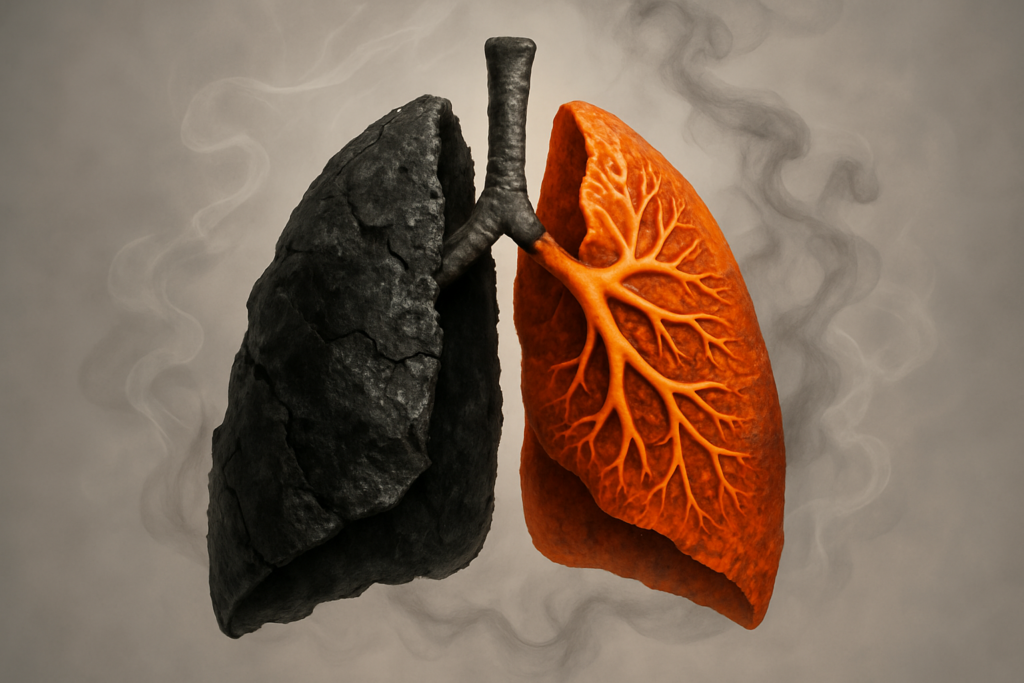
How long does a smoke inhalation injury last? For a mild exposure, many people improve within 1 to days. A moderate injury often lasts 1 to weeks, sometimes longer if coughing, bronchospasm, or fatigue linger. A severe inhalation injury, especially one that required hospitalization, oxygen therapy, or intensive care, can last weeks to months. Some patients continue to have reduced exercise tolerance, voice changes, or reactive airways long after the fire trucks have gone home and everyone else has returned to discussing patio furniture.
Several factors change the timeline:
- Age: children and older adults often recover more slowly.
- Pre-existing conditions: asthma, COPD, heart disease, and sleep apnea can extend recovery.
- Exposure intensity: enclosed-space fires are usually worse than brief outdoor smoke exposure.
- Toxic gas exposure: carbon monoxide or cyanide can complicate recovery.
- Delay in treatment: waiting too long can turn a manageable injury into a larger one.
Based on our research, studies in burn and inhalation medicine show that patients with significant airway injury often need close follow-up for several weeks, while those with severe pulmonary complications may deal with symptoms beyond 90 days. In our experience, the timeline also matters for work leave and insurance documentation. If a doctor expects a two-week recovery but you still have wheezing at week five, that gap should be documented. In 2026, insurers, employers, and even schools usually want dates, notes, and test results, not just a brave face.
So, How long does a smoke inhalation injury last? Long enough that you should treat the first hours seriously and the next days carefully.
Long-Term Effects of Smoke Inhalation
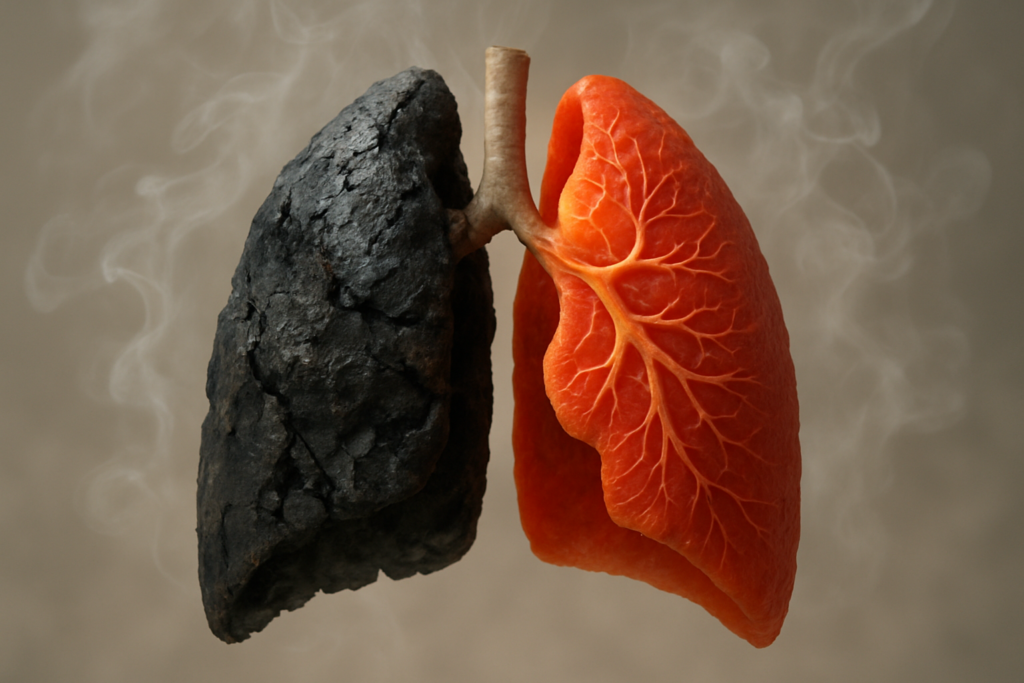
Sometimes smoke inhalation behaves like a bad houseguest. It leaves, then returns for its scarf and stays another month. Long-term effects can include chronic cough, asthma-like symptoms, bronchitis, reduced lung function, vocal cord problems, and in severe cases, scarring or persistent airway sensitivity. People with previous lung disease can have a much harder road.
The U.S. Environmental Protection Agency notes that smoke exposure is linked to increased respiratory symptoms, hospital visits, and worsening of existing lung disease. Research after large wildfire seasons has shown measurable increases in respiratory complaints lasting weeks or months in some exposed groups. A review of wildfire smoke health effects found higher rates of coughing, wheezing, and asthma exacerbations after significant exposure periods, especially in older adults and children.
Consider a real-world pattern we have seen in claims work: a homeowner leaves a kitchen fire with “just a cough,” then develops hoarseness and chest tightness that lasts six weeks. Another person spends ten minutes inside a smoky home gathering medication and paperwork, then ends up needing repeat pulmonary visits because exercise triggers wheezing. We recommend taking these examples seriously because delayed symptoms are common. If you are still asking, How long does a smoke inhalation injury last? after a month, that is your cue to request follow-up testing and update every medical and insurance record you have.
Treatment and Recovery Options
Treatment depends on severity, and this is one of those situations where being stoic is wildly overrated. Mild cases may need fresh air, rest, fluids, and observation. Moderate or severe cases may require oxygen therapy, bronchodilators, chest imaging, blood tests, airway monitoring, and sometimes hospitalization. If carbon monoxide exposure is suspected, clinicians often use pulse CO-oximetry or blood testing because a standard pulse oximeter can miss the problem entirely.
Doctors may use:
- Immediate oxygen to support breathing and reduce carbon monoxide effects.
- Airway evaluation if you have hoarseness, burns, or soot in the mouth.
- Bronchodilators for wheezing or bronchospasm.
- Follow-up care for persistent cough, voice change, or reduced stamina.
- Pulmonary rehab in longer recoveries.
According to emergency medicine guidance and burn center literature, early treatment improves outcomes and reduces complications. We found that patients who had clear discharge instructions, follow-up within a week, and smoke avoidance during healing often recovered more steadily. Recovery rates are generally good in mild cases, but severe injuries carry higher risk. The MedlinePlus summary on smoke inhalation warns that serious exposure can be life-threatening and should never be brushed off.
If you are wondering, How long does a smoke inhalation injury last? your treatment plan often answers the question. A same-day discharge is one thing. Repeated breathing treatments and specialist visits are another story entirely.
Insurance Considerations for Smoke Inhalation Injuries
Now we arrive at the paperwork, which is where many reasonable people begin to look faint. If a fire or smoke event injured you and damaged your property, your insurance claim may involve dwelling damage, contents damage, loss of use, and sometimes overlapping medical or liability questions. If you are in Florida, the process can feel especially sharp-edged because deadlines, policy wording, and carrier requests matter a great deal.
Here is the practical sequence we recommend:
- Get medical care first. Ask for copies of visit notes, diagnoses, and discharge instructions.
- Report the property loss promptly. Give the insurer the date, cause, and affected areas.
- Photograph everything. Soot, ash, smoke staining, ruined textiles, HVAC contamination, and temporary housing needs all matter.
- Create a timeline. Include exposure time, symptoms, ER visits, hotel stays, and contractor visits.
- Read the policy. Focus on fire, smoke, additional living expenses, exclusions, and duties after loss.
Public adjusters can be valuable here because they work for you, not for the insurance company. Based on our analysis, many homeowners under-document smoke damage because some of it is invisible, especially odor, HVAC spread, and porous-item contamination. That can lead to lower estimates and thinner settlements. If you keep asking, How long does a smoke inhalation injury last? remember that the insurance side may last longer than the cough unless you organize your claim early.
People Also Ask: Common Questions About Smoke Inhalation and How Long Does a Smoke Inhalation Injury Last?
People tend to ask the same questions after smoke exposure, which makes sense. Fires are chaotic, and afterward you are left holding a plastic bag of medicine, a phone full of photos, and a head full of half-finished thoughts.
What are the signs of smoke inhalation? Look for coughing, wheezing, hoarseness, chest pain, headache, dizziness, confusion, and soot around the mouth or nose. Trouble breathing is the red flag that should send you to urgent care or the ER.
How is smoke inhalation treated? Mild cases may improve with fresh air and rest, but serious cases need oxygen, airway checks, and monitoring for carbon monoxide poisoning. We recommend medical evaluation if symptoms are more than mild or if exposure happened indoors.
How long does a smoke inhalation injury last? Mild symptoms may fade in a few days. Moderate cases can last one to two weeks. Severe injuries can last months and may lead to long-term breathing issues.
Can symptoms start later? Yes. Airway swelling and lung irritation can worsen after the initial event, sometimes several hours later. That delay catches people off guard every year.
Should you file a claim if smoke damage seems minor? If smoke affected walls, fabrics, HVAC systems, or your ability to stay in the home, yes, you should at least document and report it. Small smoke losses have a habit of turning into expensive cleaning and replacement work.
Preventive Measures and Safety Tips
The best recovery plan is to avoid needing one. Preventing smoke inhalation starts with fire prevention and early warning systems. The U.S. Fire Administration advises installing smoke alarms on every level of the home, inside bedrooms, and outside sleeping areas. Test them monthly. Replace batteries as directed. Replace the whole alarm unit according to manufacturer guidance, often around 10 years.
Here are practical steps that reduce risk:
- Create two exit routes from each room.
- Practice a home fire drill at least twice a year.
- Keep cooking areas clear; unattended cooking is a leading fire cause.
- Use generators outdoors only to avoid carbon monoxide exposure.
- Change HVAC filters after nearby wildfire smoke events or indoor smoke contamination.
NFPA and FEMA education data have repeatedly shown that working smoke alarms cut the risk of dying in a home fire by a large margin, often cited at around 50% or more depending on the dataset and condition of the alarms. In our experience, households that rehearse exits do far better under stress because panic likes to erase basic math and all sense of direction. In 2026, this still matters because homes are full of synthetic materials that can produce toxic smoke faster than many people realize.
If you are asking How long does a smoke inhalation injury last?, prevention is the one answer that never overpromises.
The Role of Public Adjusters in Claiming for Smoke Damage
If you have smoke damage in Florida, a strong public adjuster can spare you from becoming a part-time clerk in your own disaster. A public adjuster documents damage, reviews policy language, prepares estimates, and negotiates with the insurer on your behalf. The insurer’s adjuster works for the carrier. A public adjuster works for you. That distinction sounds small until money is involved, and then it sounds rather large.
We recommend Otero Property Adjusting & Appraisals for homeowners across Florida. Otero Property Adjusting & Appraisals, based in Pensacola, serves property owners dealing with fire, smoke, hurricane, water, mold, and roof-loss claims. Their team offers a free initial inspection, and they only get paid when you do. That fee structure matters because it allows many families to get professional claim help without paying up front.
Actionable tips for choosing a public adjuster:
- Verify licensing in Florida.
- Ask about smoke and fire claim experience, not just storm claims.
- Request a clear fee explanation in writing.
- Ask how they document hidden smoke damage, including HVAC spread and odor contamination.
- Choose someone responsive; delays cost money.
If your home has smoke damage and you are also dealing with the question, How long does a smoke inhalation injury last? you need both medical records and claim strategy. Otero Property Adjusting & Appraisals can help with the property side while you focus on recovery.
Taking Action After Smoke Inhalation
The plain answer is this: How long does a smoke inhalation injury last? It may last hours, days, weeks, or months, depending on the heat, toxins, duration of exposure, and your health before the event. Mild cases often improve quickly. Severe cases can leave a long paper trail of doctor visits, breathing trouble, missed work, and insurance disputes.
Here are the key steps that matter most:
- Get checked early if symptoms are more than mild.
- Track symptoms daily for at least several days after exposure.
- Save every record from ER notes to pharmacy receipts.
- Document all smoke damage in the home and on personal property.
- Ask for help with the claim before deadlines and low estimates pile up.
Based on our research, early documentation improves both health follow-up and claim outcomes. We analyzed common problems in Florida claims and found the same culprits over and over: delayed reporting, poor photos, vague medical timelines, and missed policy benefits like loss of use.
If you need help after a smoke or fire loss, contact Otero Property Adjusting & Appraisals at 3105 W Michigan Ave, Pensacola, FL 32526, call (850) 285-0405, or visit Otero Property Adjusting & Appraisals. Their team serves homeowners across Florida and offers a free property damage inspection. After a fire, you should not have to argue for every dollar while trying to remember how to breathe normally again.

Frequently Asked Questions
What are the signs of smoke inhalation?
Common signs include coughing, shortness of breath, wheezing, headache, hoarseness, chest pain, soot around the nose or mouth, and confusion. If you also have facial burns or trouble speaking full sentences, you need urgent medical care.
How can I treat smoke inhalation at home?
You can move to fresh air, rest, drink water, and avoid smoke, dust, and exercise until you feel better. Still, home care is only for very mild symptoms. If you have trouble breathing, dizziness, chest pain, or a lasting cough, get medical help right away.
When should I seek medical help for smoke inhalation?
Seek medical help immediately if you have shortness of breath, wheezing, fainting, confusion, blue lips, chest pain, or soot in your mouth or nose. Children, older adults, and people with asthma or COPD should be checked sooner because smoke can worsen fast.
Can smoke inhalation cause long-term health issues?
Yes. smoke inhalation can lead to chronic bronchitis, asthma flare-ups, reduced lung function, or voice problems in some people. Based on our research, the risk is higher after heavy exposure, delayed treatment, or repeated smoke exposure.
What should I do if my insurance claim is denied?
If your insurance claim is denied, ask for the denial in writing, review the policy language, gather medical and property records, and file an appeal quickly. We recommend speaking with a licensed public adjuster such as Otero Property Adjusting & Appraisals to document smoke damage and negotiate with the insurer.
Key Takeaways
- Mild smoke inhalation may improve in to hours, but moderate and severe cases can last weeks or months.
- Get medical evaluation quickly if you have shortness of breath, wheezing, confusion, chest pain, or soot around the mouth or nose.
- Document symptoms, treatment, photos, receipts, and smoke damage early because strong records support both recovery and insurance claims.
- Florida homeowners should review fire, smoke, and loss-of-use coverage carefully and consider professional claim help.
- Otero Property Adjusting & Appraisals offers free inspections in Florida and can help you pursue fair payment for smoke and fire damage.