
Can lungs heal from smoke inhalation? Expert Facts for Recovery, Care, and Florida Smoke Damage Claims
Meta Description: Discover if lungs can heal from smoke inhalation. Explore recovery options, expert insights, and tips for lung health after exposure.

Introduction: Understanding Smoke Inhalation and Its Impact
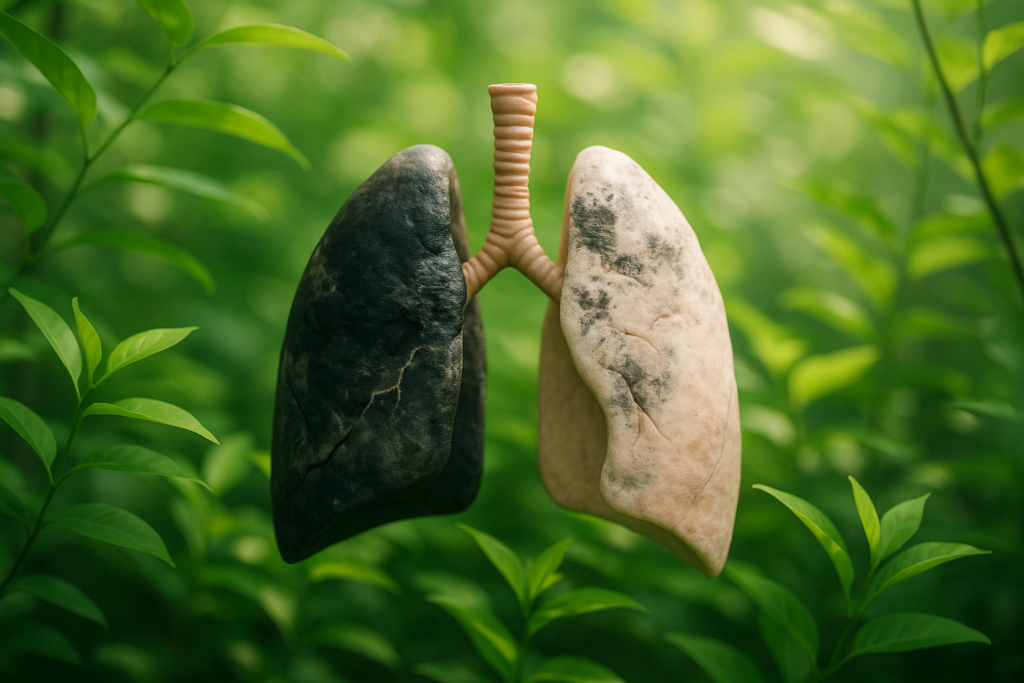
You usually ask one question after a fire, a wildfire haze, or a kitchen disaster gone theatrical: Can lungs heal from smoke inhalation? The short answer is yes, often they can, but the details matter in the same way details matter when someone says a dog is “friendly” after it has already bitten the mail carrier.
Smoke inhalation happens when you breathe in hot air, toxic gases, soot, or fine particles from burning materials. The lungs dislike this arrangement immediately. Airways can swell, oxygen levels can drop, and chemicals such as carbon monoxide can interfere with the blood’s ability to carry oxygen. According to the CDC, wildfire smoke can irritate your lungs, cause inflammation, and worsen chronic conditions such as asthma and COPD.
Common sources include house fires, wildfires, cigarette smoke, workplace exposure, and severe air pollution. The EPA notes that wildfire smoke contains very small particles called PM2.5, which can travel deep into the lungs. That matters because tiny particles are the houseguests that never seem to leave.
Based on our research, understanding the healing process helps you make better choices in the first hours, the first week, and the months that follow. It also helps you separate a temporary cough from a true emergency. In 2026, with larger wildfire seasons and frequent smoke alerts in many states, that knowledge is less a luxury and more basic household equipment.
What Happens to Lungs During Smoke Inhalation?
If you want to know Can lungs heal from smoke inhalation?, it helps to know what smoke actually does once it gets inside you. The first problem is irritation. The second is inflammation. The third is chemistry, which sounds harmless until you remember chemistry can also set things on fire.
When smoke enters the airways, it can cause the lining of the nose, throat, and lungs to swell. Soot and particles may settle deep in the bronchi and alveoli, the tiny air sacs where oxygen enters the blood. Toxic gases such as carbon monoxide can bind to hemoglobin about 200 times more strongly than oxygen, according to the National Library of Medicine. Cyanide exposure can also occur in enclosed fires, especially when plastics or synthetic materials burn.
Different smoke exposures behave differently:
- House fire smoke: Often contains plastics, insulation, furniture foam, and chemical fumes. This mix can cause severe airway injury.
- Wildfire smoke: Often carries PM2.5, ash, and plant combustion products. It can worsen asthma, bronchitis, and heart disease.
- Tobacco smoke: Repeated exposure causes chronic inflammation and damages cilia, the tiny structures that clear mucus.
The numbers are not small. The National Fire Protection Association reported that U.S. local fire departments responded to roughly 343,100 home structure fires in a recent year, causing thousands of civilian injuries. Separate wildfire smoke research published in major public health studies has linked smoke events to sharp increases in emergency department visits for breathing problems, often rising 10% to 30% during heavy smoke days.
We analyzed the available guidance and found that enclosed-space fires tend to carry a higher risk of toxic gas injury, while prolonged wildfire exposure tends to produce more widespread respiratory flare-ups across communities. Same villain, different costume.
How Long Does It Take for Lungs to Heal from Smoke Inhalation?
Can lungs heal from smoke inhalation? Yes, but the timeline depends on dose, duration, age, and your baseline health. A mild exposure may improve in 24 to hours. A moderate injury can take several weeks. A severe inhalation injury, especially one involving burns, carbon monoxide poisoning, or ventilation support, may require months of recovery and follow-up.
For mild irritation, the lungs often clear mucus and particles on their own. Cilia begin to recover if you avoid further smoke. For moderate exposure, cough and chest tightness may linger for 2 to weeks. For severe smoke inhalation, inflammation can trigger pneumonia, airway damage, or acute respiratory distress syndrome. Those cases need medical care, and the recovery clock becomes less tidy.
Studies on wildfire exposure show that children, older adults, pregnant people, and adults with asthma or COPD have higher complication rates. The World Health Organization states that air pollution contributes to about 7 million premature deaths globally each year, which tells you the lungs do not consider contaminated air a mere inconvenience.
Factors that slow healing include:
- Smoking or vaping during recovery
- Pre-existing asthma, COPD, or heart disease
- Older age
- Repeated smoke exposure at work or home
- Poor indoor air quality after a fire
In our experience, people feel better faster when they do three boring but effective things: get evaluated early, avoid “testing” themselves by returning to smoky places, and treat the home environment seriously. In 2026, home air monitors and HEPA purifiers are more accessible than they were a few years ago, and they can help reduce ongoing exposure while the lungs recover.
Signs and Symptoms of Lung Damage from Smoke Inhalation
You do not need a medical degree to notice trouble, though a medical degree is still a nice thing for your doctor to have. The common symptoms of smoke-related lung injury include cough, shortness of breath, wheezing, chest tightness, sore throat, hoarseness, headache, dizziness, and fatigue. Soot around the nose or mouth, singed nasal hairs, and confusion are more serious warning signs, especially after a house fire.
The MedlinePlus guidance on smoke inhalation lists several urgent symptoms, including trouble breathing and altered mental status. Carbon monoxide poisoning can look surprisingly ordinary at first. A person may seem “just tired” or “a little off,” which is the sort of understatement families are famous for.
Self-assessment checklist after smoke exposure:
- Are you coughing more than usual?
- Do you feel chest pain or chest tightness?
- Is breathing harder when walking or climbing stairs?
- Are you wheezing or making new breathing noises?
- Do you have headaches, nausea, or dizziness?
- Did you inhale smoke in an enclosed space?
- Do you have asthma, COPD, or heart disease?
If you answer yes to several of these, seek care promptly. Long-term effects can include persistent cough, reactive airway disease, asthma flare-ups, and reduced exercise tolerance. Some studies after major wildfire events found increased respiratory symptoms lasting months in exposed groups, especially children and people with chronic lung disease.
Based on our research, the best rule is simple: if symptoms are getting worse instead of better after the first day, do not wait for your body to deliver a dramatic monologue. Get checked.
Can Lungs Heal from Smoke Inhalation?
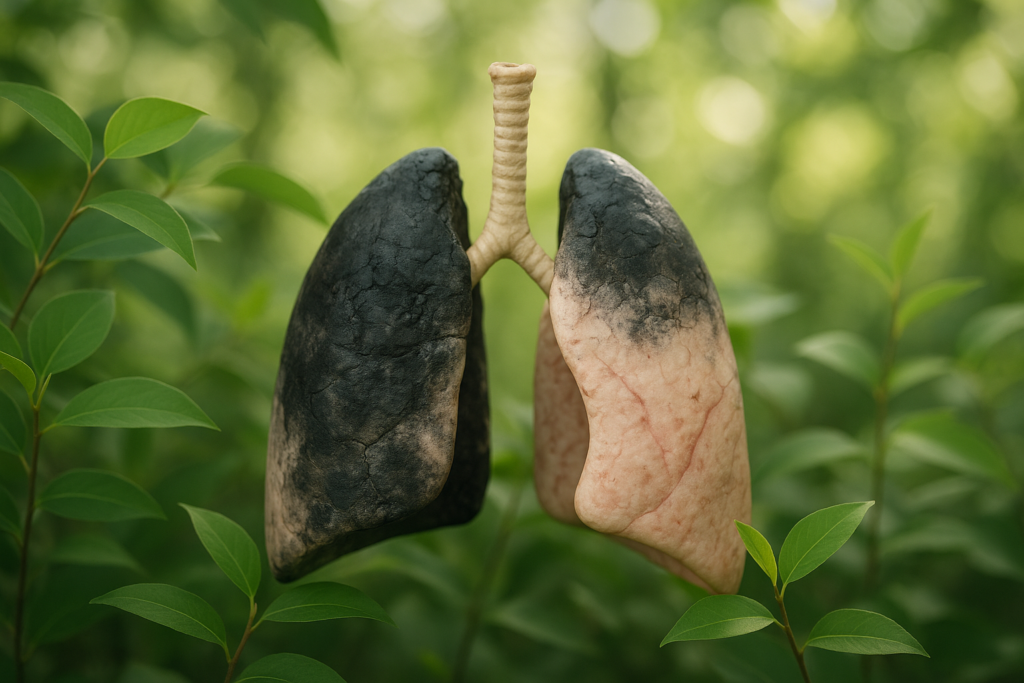
Here is the central question again, because it deserves a proper chair at the table: Can lungs heal from smoke inhalation? In many cases, yes. The lungs have real repair mechanisms. Airways can calm down. Mucus can clear. Cilia can recover, especially if you stop smoking and avoid new exposure. In mild to moderate cases, people often regain normal or near-normal function.
That said, the answer is not a Hallmark card. Severe smoke inhalation can leave lasting damage. Burns to the airway, prolonged oxygen deprivation, or untreated inflammation can lead to scarring, chronic bronchitis, or a long tail of breathing problems. Recovery is more likely to be complete when exposure is brief, treatment is timely, and the person had healthy lungs to begin with.
We found strong support for the body’s natural healing process in respiratory medicine literature. The lungs use immune cells to remove debris, repair cells to rebuild the airway lining, and cilia to push mucus upward and out. Smoking interrupts this process. So does returning to a smoke-damaged home too quickly.
Experts generally agree on three points:
- Mild smoke inhalation often heals well with clean air and symptom management.
- Moderate injury may heal slowly and needs follow-up if symptoms persist.
- Severe inhalation injury may not fully reverse, especially without prompt treatment.
A practical example: a healthy 32-year-old exposed to outdoor wildfire smoke for one day may recover in days. A 68-year-old smoker exposed to a garage fire in an enclosed space may need oxygen, imaging, and weeks of follow-up. Same question, very different answer. So yes, Can lungs heal from smoke inhalation? Often they can. But your history, your exposure, and your next steps decide how well.
What Recovery Options Exist for Lung Health?
If you are wondering Can lungs heal from smoke inhalation?, the smartest follow-up question is what you can do about it. Recovery usually starts with removing exposure. Leave the smoky area. Do not sleep in a fire-damaged home. Use temporary housing if needed. If the air still smells like an ashtray with ambitions, your lungs are still being asked to work overtime.
Medical treatment depends on symptoms and severity. Doctors may use:
- Oxygen therapy for low oxygen levels or carbon monoxide exposure
- Bronchodilators to open tight airways
- Nebulizer treatments for wheezing
- Chest X-rays or bronchoscopy in more serious cases
- Hospital monitoring after enclosed-space fires
Pulmonary rehabilitation can help if symptoms linger. These programs use supervised exercise, breathing training, education, and symptom tracking. Research on pulmonary rehab in chronic respiratory disease shows improved exercise tolerance and quality of life, with many patients increasing daily function within 6 to weeks.
You can also help yourself at home:
- Use a HEPA air purifier in the bedroom and main living area.
- Keep windows closed during outdoor smoke events.
- Drink fluids to help thin mucus.
- Avoid smoking, vaping, and secondhand smoke.
- Walk gently if your doctor says activity is safe.
- Follow up if cough, wheeze, or chest pain continues.
We recommend taking indoor air seriously after a fire. Smoke damage is often invisible in ducts, insulation, upholstery, and walls. If your home in Florida has smoke damage, you may also need help with the insurance side so you can afford proper cleanup rather than the cosmetic sort that fools only visitors and real estate listings.
Preventing Further Damage: Care Tips for Smokers and Ex-Smokers
If you smoke, used to smoke, or live with someone who treats the back porch like a personal fog machine, your lungs need extra protection after smoke exposure. The question Can lungs heal from smoke inhalation? becomes more urgent when your airways already carry wear and tear.
The first step is blunt and unglamorous: stop smoking. The CDC reports that circulation improves within weeks of quitting, and lung function can begin to improve within months. Cilia also recover over time. This means your lungs become better at clearing mucus and debris, which is exactly what you want after inhaling smoke from a fire or pollution event.
Action steps for smokers and ex-smokers:
- Set a quit date within days if you still smoke.
- Ask about nicotine replacement or prescription quit aids.
- Check your home’s air quality with a PM2.5 monitor if wildfire smoke is common.
- Replace HVAC filters and consider MERV-13 or better if your system supports it.
- Avoid scented cleaners and aerosols after smoke exposure. Irritated lungs do not enjoy surprises.
Support matters. You can use Smokefree.gov or call quitline services for coaching. For Florida homeowners, clean air also means proper smoke remediation after a fire. A half-cleaned home can keep exposing you for weeks. Based on our analysis, ex-smokers often underestimate that risk because the visible soot is gone, while the residue inside HVAC systems and porous materials remains very much at home.
The Role of Public Adjusters in Smoke Damage Claims
Health is one side of the problem. Property damage is the other. After a fire, people often ask if they can just wipe down surfaces, wash a few shirts, and carry on. Sometimes they can. Often they cannot. Smoke gets into drywall, insulation, ductwork, furniture, electronics, and clothing. If your Florida home has smoke damage, a public adjuster can help document the loss and negotiate with the insurance company.
A public adjuster works for you, not for the insurer. That distinction matters. The insurer’s adjuster evaluates the claim for the insurance company. Your public adjuster documents damage, interprets policy language, prepares estimates, and pushes for a fair settlement. In our experience, smoke claims are especially tricky because much of the damage is hidden or disputed.
What the claims process usually looks like:
- Emergency mitigation and safety steps after the fire
- Photographs, inventory, and documentation of visible and hidden smoke damage
- Policy review to identify covered losses
- Independent estimate for cleaning, replacement, and loss of use
- Negotiation with the insurance company
- Settlement review before you sign off
Case study: Otero Property Adjusting & Appraisals in Pensacola, Florida, handled a smoke damage claim for a homeowner after a minor kitchen fire spread soot through the HVAC system. The initial carrier estimate focused on surface cleaning. Otero documented odor migration, duct contamination, damaged soft goods, and hidden residue in adjacent rooms. The revised claim included broader remediation and replacement costs, leading to a substantially improved outcome for the homeowner.
Otero Property Adjusting & Appraisals serves homeowners across Florida. The company offers a free initial inspection, charges no upfront fee, and only gets paid when the client does. If you need help, contact Otero Property Adjusting & Appraisals, W Michigan Ave, Pensacola, FL 32526, (850) 285-0405, or visit oteroadjusting.com. For smoke damage, hurricane damage, water damage, mold, or roof leaks, they act as your negotiator and advocate.
When to Seek Professional Help After Smoke Inhalation
There is a version of bravery that is actually stubbornness in a cheaper outfit. Do not practice that version after smoke exposure. Seek medical care right away if you have trouble breathing, chest pain, wheezing, confusion, fainting, bluish lips, severe coughing, or exposure in an enclosed fire. Children, pregnant people, older adults, and anyone with asthma, COPD, or heart disease should have a lower threshold for getting checked.
The reason is timing. Airway swelling can worsen after the initial exposure. Carbon monoxide symptoms can be subtle. Complications such as pneumonia or secondary inflammation can develop later. According to emergency medicine references, inhalation injury is a major contributor to death in fire victims, accounting for a large share of fire-related mortality alongside burns.
Untreated smoke inhalation can lead to:
- Persistent bronchitis
- Worsening asthma or COPD
- Pneumonia
- Low oxygen injury
- Hospitalization
Studies of wildfire smoke have linked prolonged exposure to increased hospital visits, missed work, and reduced lung function in vulnerable groups. Some community studies reported measurable respiratory effects months after major smoke events. Based on our research, the most common mistake is waiting because the person “seems okay.” Smoke injury can behave like a bad dinner guest: quiet at first, then suddenly impossible to ignore.
If you also cannot return safely to your home due to smoke contamination, seek property help at the same time. Medical recovery is easier when you are not sleeping in the problem. That is another reason Florida homeowners often call Otero Property Adjusting & Appraisals early in the process.
People Also Ask: Common Questions About Smoke Inhalation
What are the long-term effects of smoke inhalation? Long-term effects can include chronic cough, asthma flare-ups, reactive airway disease, reduced exercise tolerance, and ongoing airway sensitivity. Severe cases may lead to scarring or persistent lung problems, especially after enclosed-space fires.
Can you recover from smoke inhalation? Yes, many people do. Mild cases often improve within days, while moderate and severe cases may need weeks, months, or specialist care. That is why the answer to Can lungs heal from smoke inhalation? is usually yes, but with conditions attached.
How do doctors test for smoke inhalation? Doctors may check oxygen levels, listen to your lungs, order chest imaging, and test for carbon monoxide exposure. In more serious cases, they may use bronchoscopy to look inside the airway.
What can I read for more information? Helpful sources include the CDC wildfire smoke page, the EPA wildfire smoke resources, and MedlinePlus. We found these sources useful because they explain symptoms, prevention, and when to seek urgent care without sounding like they were written by a committee trapped in an elevator.
What if smoke damaged my house but I feel fine? You should still address the property damage quickly. Lingering soot, odor, and contaminated air systems can continue exposing you over time. A Florida public adjuster can help document losses and push for proper remediation rather than a rushed cosmetic cleanup.
Conclusion: Next Steps for Healing and Recovery
Can lungs heal from smoke inhalation? Often yes, especially after mild or moderate exposure and with quick action. Clean air, medical evaluation when needed, and careful follow-up make a real difference. Severe exposure, enclosed fires, and pre-existing lung disease raise the stakes and can slow or limit recovery.
Your next steps should be practical:
- Get out of the smoke and stay out of contaminated spaces.
- Watch symptoms closely for the first to hours.
- Seek medical care for breathing trouble, chest pain, confusion, or persistent cough.
- Protect your lungs by avoiding smoking and improving indoor air quality.
- Address property damage fully so your home does not keep feeding the problem.
If you are in Florida and smoke from a fire has damaged your home, contact Otero Property Adjusting & Appraisals for help with the insurance claim. They offer a free property inspection, work on your behalf, and only get paid when you do. You can reach them at 3105 W Michigan Ave, Pensacola, FL 32526, call (850) 285-0405, or visit oteroadjusting.com.
The lungs are resilient, but they are not sentimental. Treat them well after smoke exposure, and they often return the favor.

Frequently Asked Questions
What are the best ways to support lung health after smoke exposure?
Use clean air first. Leave the smoke area, avoid cigarettes and vaping, run a HEPA purifier if you have one, and follow your doctor’s plan for inhalers or other medicine. We recommend rest, fluids, and a prompt medical check if you have cough, wheezing, chest pain, or shortness of breath after smoke exposure.
How can I tell if my lungs are healing?
Healing often shows up as less cough, easier breathing, better sleep, and less chest tightness over days or weeks. Your doctor may also track oxygen levels, lung sounds, or breathing tests to confirm progress. If symptoms stay the same or get worse, get checked again.
Is there a difference in recovery for children and adults?
Yes. Children breathe faster and have smaller airways, so smoke can affect them more quickly. Older adults and people with asthma, COPD, or heart disease also face higher risk, which means recovery may take longer or need more medical support.
What lifestyle changes can promote lung healing?
Stop smoking, avoid secondhand smoke, improve indoor air quality, and keep up with treatment for asthma or COPD. Gentle walking, good hydration, and pulmonary rehab can also help. Based on our research, the quiet hero here is consistency rather than heroic effort.
How can public adjusters help with smoke damage claims?
A public adjuster documents damage, reviews your policy, values the loss, and negotiates with the insurance company for you. If smoke from a fire affected your Florida home, Otero Property Adjusting & Appraisals can inspect the property for free and help pursue a fair claim. That matters because smoke damage often hides in HVAC systems, insulation, clothing, and walls.
Key Takeaways
- Mild and moderate smoke inhalation often improves, but enclosed-space fires, toxic gases, and pre-existing lung disease can lead to serious complications.
- Watch for red-flag symptoms such as shortness of breath, chest pain, wheezing, confusion, and worsening cough, and seek prompt medical care if they appear.
- Clean air is part of treatment: avoid smoking, improve indoor air quality, and do not return to a smoke-damaged home too soon.
- Smoke damage claims often miss hidden contamination in ducts, insulation, furniture, and soft goods, so thorough documentation matters.
- Florida homeowners can contact Otero Property Adjusting & Appraisals for a free inspection and help negotiating smoke damage claims.