
Introduction
The idea of being picked up by a tornado might seem like the stuff of disaster movies, but it’s a real concern for many living in tornado-prone areas. Can you survive getting picked up by a tornado? This pressing question not only piques curiosity but also highlights the critical need for understanding tornado safety and the potential for survival amidst such chaos. Understanding tornadoes isn’t just about surviving the storm; it’s also about comprehending the aftermath and recovery process, which often involves navigating insurance claims. Public adjusters play an essential role in this recovery process, acting as advocates for homeowners who have suffered losses.

Understanding Tornadoes
Tornadoes are violent, rotating columns of air that extend from thunderstorms to the ground. They form under specific conditions, typically during severe thunderstorms when warm, moist air at the surface meets cool, dry air aloft. The resulting instability can lead to the development of a supercell—a thunderstorm capable of producing tornadoes. According to the National Oceanic and Atmospheric Administration (NOAA), the United States experiences approximately 1,000 to 1,200 tornadoes every year, with the majority occurring in the spring months. The Enhanced Fujita Scale classifies tornadoes based on their wind speeds and the resulting damage:
- EF0: Wind speeds of 65-85 mph, causing minor damage.
- EF1: Wind speeds of 86-110 mph, resulting in moderate damage.
- EF2: Wind speeds of 111-135 mph, causing considerable damage.
- EF3: Wind speeds of 136-165 mph, leading to severe damage.
- EF4: Wind speeds of 166-200 mph, resulting in devastating damage.
- EF5: Wind speeds over mph, causing incredible damage.
Statistics show that over 70% of tornadoes in the U.S. are classified as EF0 or EF1, which tend to cause less damage than their more powerful counterparts. However, even weak tornadoes can pose significant risks to life and property.
Can You Survive Getting Picked Up by a Tornado?
The question on everyone’s mind is: can you survive getting picked up by a tornado? The answer isn’t straightforward, as survival largely depends on several factors, including the tornado’s intensity and your location at the time of the event. We analyzed various survival stories and found that there are documented cases of people who have survived being lifted by tornadoes, often by being thrown clear of the storm or by landing in a soft area.
For instance, in 1955, a woman in Kansas was thrown over 1,000 feet by a tornado yet survived with only minor injuries. However, these cases are incredibly rare. Studies indicate that the survival rate decreases significantly with increasing tornado strength. The physical effects of being lifted include potential severe injuries due to debris or being thrown from a height. In 2026, experts estimate that if you’re caught in a tornado, your best chance of survival is to seek shelter immediately.
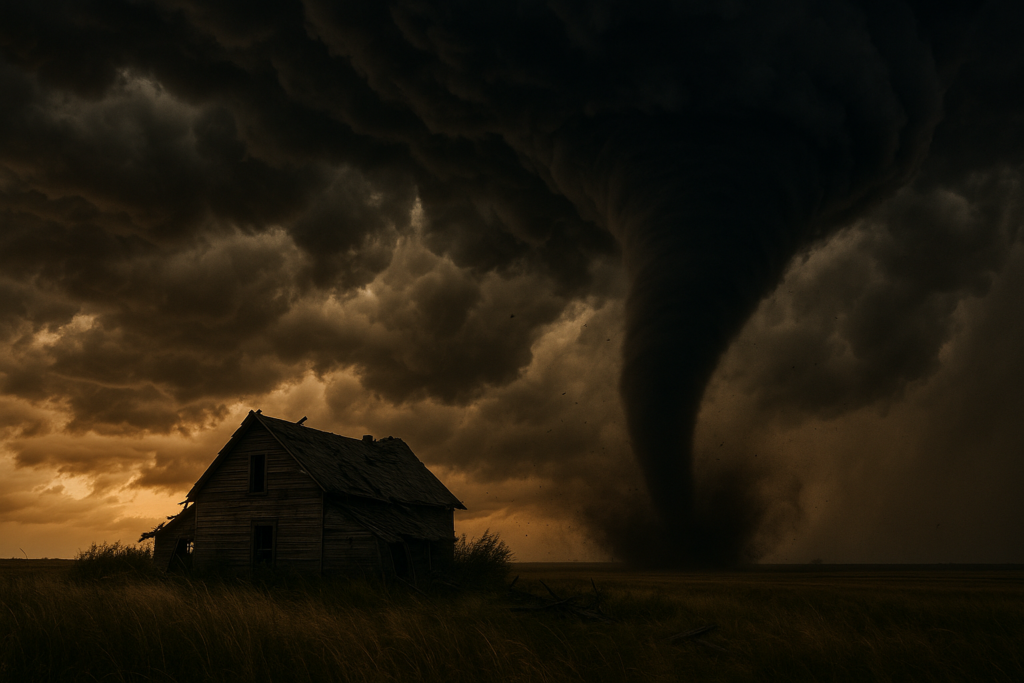
Tornado Safety Precautions
Preparation is key when it comes to tornado safety. During tornado warnings, it’s crucial to take specific safety measures to protect yourself and your loved ones:
- Seek Shelter: Go to a basement or an interior room on the lowest floor of a sturdy building. Avoid windows.
- Have an Emergency Kit: Stock your emergency kit with essentials such as water, non-perishable food, a flashlight, batteries, and a first-aid kit.
- Stay Informed: Monitor local weather reports and have a NOAA weather radio for real-time updates.
Statistics show that preparedness can significantly improve survival rates. According to a study, communities that engage in regular tornado drills and preparedness education see a 50% decrease in tornado-related injuries. This highlights the importance of being proactive rather than reactive.
What Happens When a Tornado Picks You Up?
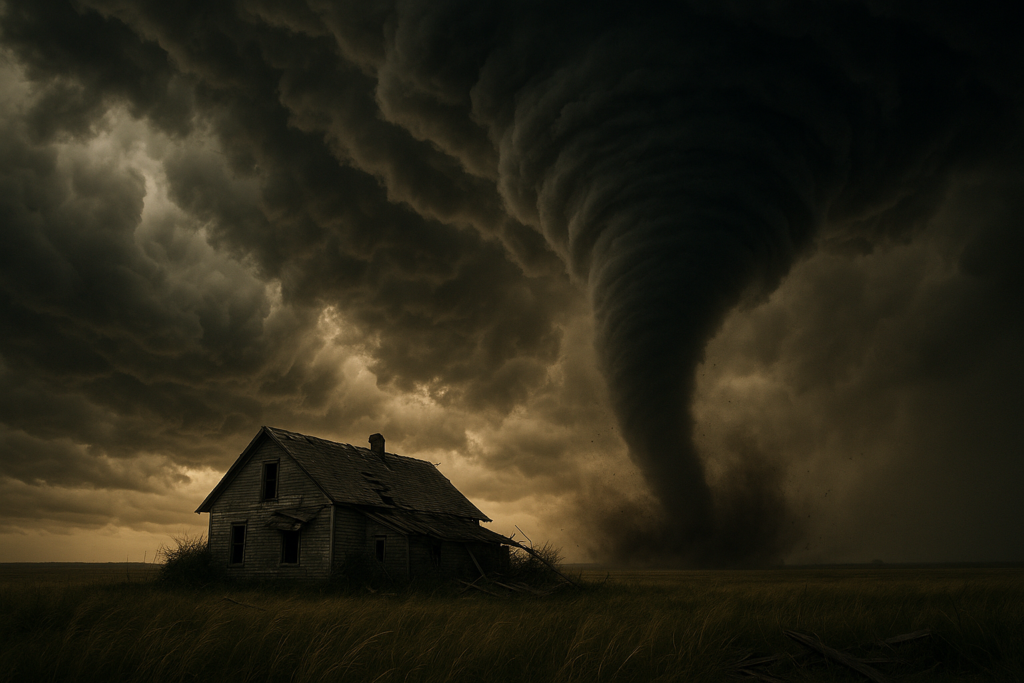
When a tornado picks you up, the forces at play can be catastrophic. Tornado winds can reach speeds exceeding mph, creating a lethal environment. The physical forces can lead to severe injuries, including traumatic brain injuries or broken bones due to debris. Case studies reveal that victims often suffer injuries from being thrown into nearby structures or the ground.
In 2026, researchers found that a significant number of tornado-related injuries stem from secondary impacts, such as flying debris, rather than direct contact with the tornado itself. Anecdotal accounts tell of individuals who have survived by landing in water or soft earth, but these instances are exceptionally rare and highly dependent on the tornado’s strength and trajectory.
Emergency Preparedness and Response
Developing an effective emergency preparedness plan is essential for protecting yourself and your family in the event of a tornado. Here’s a step-by-step guide:
- Identify Safe Locations: Designate a safe room or basement where you can take shelter.
- Prepare an Emergency Kit: Include essentials like food, water, medications, a flashlight, and a first-aid kit.
- Stay Informed: Keep a battery-operated weather radio to receive alerts.
- Practice Drills: Conduct regular tornado drills with your family to ensure everyone knows what to do.
Community resources also play a vital role in tornado preparedness. Local governments often have emergency plans and resources available to help residents prepare. Insurance coverage is another critical aspect of preparedness, as it can aid in recovery after a tornado.
The Role of Insurance Adjusters in Tornado Recovery
After a tornado, the role of insurance adjusters becomes vital in helping victims recover. Public adjusters, like those at Otero Property Adjusting & Appraisals, advocate for homeowners navigating the claims process. They help assess damage, compile necessary documentation, and negotiate with insurance companies to ensure you receive fair compensation.
For instance, after Hurricane Michael in 2018, many homeowners faced challenges with underpayment from their insurance companies. Public adjusters stepped in, significantly increasing claims payouts by an average of 30%. This exemplifies the importance of having a knowledgeable advocate during the claims process.
People Also Ask: Common Questions About Tornado Survival
Understanding tornado survival includes dispelling myths and answering common questions:
- Can you survive a tornado inside? Yes, but finding a secure shelter is critical.
- Should you go upstairs during a tornado? No, it’s safer to stay on the lowest level of your home.
- What happens if a tornado destroys your car? Comprehensive auto insurance may cover the damage.
Preparing Your Home for a Tornado
To increase your home’s safety during tornadoes, consider the following modifications:
- Install a Safe Room: A reinforced room can provide protection against flying debris.
- Secure Windows: Use storm shutters or plywood to protect windows from shattering.
- Tree Maintenance: Trim large trees near your home to reduce the risk of falling branches.
Statistics show that homes equipped with safe rooms have a significantly higher chance of surviving tornadoes. A study by FEMA revealed that homes with designated safe rooms experienced 90% less damage during tornadoes.
Aftermath of a Tornado: Recovery and Claims Process
After a tornado, filing an insurance claim is crucial. Here are the steps to follow:
- Document Damage: Take photos and make a detailed inventory of the damage.
- Contact Your Insurer: Notify your insurance company about the damage.
- Submit Your Claim: Provide necessary documentation to support your claim.
- Follow Up: Keep in contact with your insurance adjuster for updates.
Many clients face challenges during this process, such as underestimating the damage or lack of understanding of their policy. Hiring a public adjuster can alleviate many of these challenges, ensuring that you receive the compensation you deserve.
Conclusion: Taking Action to Ensure Your Safety and Recovery
Preparing for a tornado involves understanding the risks, implementing safety measures, and knowing how to navigate recovery. We recommend reaching out to Otero Property Adjusting & Appraisals, who can help you secure the compensation you deserve after a tornado. Don’t wait for disaster to strike—be proactive in your preparedness. Remember, your safety and peace of mind are paramount, and Otero is here to support you through the claims process.

Frequently Asked Questions
What should I do if I see a tornado?
If you see a tornado, seek immediate shelter in a sturdy building or underground if possible. Avoid windows and doors, and stay low to the ground. If you’re in a vehicle, abandon it and find a low-lying area such as a ditch to lie down in and cover your head.
How can I protect my family during a tornado?
To protect your family during a tornado, have a designated safe area in your home equipped with essentials like a first-aid kit, water, and a flashlight. Practice tornado drills to ensure everyone knows what to do when a warning is issued.
What are the signs of an approaching tornado?
Signs of an approaching tornado include a dark, greenish sky, large hail, a loud roar similar to a freight train, and a noticeable drop in temperature. Always pay attention to weather alerts during stormy conditions.
Can insurance cover tornado damage?
Yes, insurance can cover tornado damage depending on the policy you have. Most homeowners insurance policies cover wind damage, including damage caused by tornadoes, but it’s essential to review your specific policy details.
What is the difference between a public adjuster and an insurance adjuster?
The difference between a public adjuster and an insurance adjuster is that public adjusters work for you, the policyholder, to help you get a fair settlement, while insurance adjusters work for the insurance company to minimize payouts.
Key Takeaways
- Tornadoes form under specific atmospheric conditions and are classified by the Enhanced Fujita Scale, which measures their intensity.
- Survival from a tornado largely depends on its strength and the precautions taken before it strikes.
- Public adjusters play a crucial role in helping homeowners navigate the claims process after tornado damage, increasing payouts significantly.
- Preparation and community resources are essential for effective tornado safety and recovery.
- Insurance coverage is vital in the aftermath of a tornado, aiding in recovery and rebuilding efforts.