
What is not covered by a fire insurance policy? Essential Exclusions Florida Homeowners Need to Know
Fire can gut a house in an afternoon, but confusion can linger for months. You are probably here because you want a plain answer to a very specific question: What is not covered by a fire insurance policy? That question matters because many owners assume a fire policy acts like a rich uncle with an open wallet. It does not. It is more like a relative who arrives with a calculator, a legal pad, and a few opinions.
Fire insurance matters because home fires remain common. The U.S. Fire Administration reports hundreds of thousands of residential building fires in the United States each year, and the National Fire Protection Association has found that U.S. fire departments respond to roughly one home structure fire every seconds. That is not a tiny club. In 2026, with rebuilding costs still high and Florida insurance pressure still very real, knowing your exclusions is as useful as knowing where the shut-off valve is.
Based on our research, the biggest mistake homeowners make is assuming “fire damage” means every expense tied to the event will be paid. Emotional distress? Usually no. A collectible watch with no scheduled endorsement? Maybe capped. Damage made worse because the roof was already failing? That can become an argument no one enjoys. We found that understanding exclusions before a loss is far cheaper than discovering them while standing in socks on a wet driveway. What follows is the practical version: what fire insurance usually covers, what it often does not, and where a Florida public adjuster can save you time, money, and a good deal of muttering.

Understanding Fire Insurance Policies
A standard fire-related claim usually falls under your homeowners policy, not some separate velvet-lined “fire policy” kept in a drawer. In most cases, coverage includes the dwelling, other structures, personal property, and additional living expenses if the fire is a covered peril. If your kitchen catches fire because of a grease flare-up, the policy may pay to repair cabinets, repaint smoke-stained walls, replace damaged contents, and cover hotel bills while repairs happen.
That sounds generous, and often it is. But the money comes in categories with limits, deductibles, exclusions, and conditions. The National Association of Insurance Commissioners explains that policy forms differ by insurer and state, which means two homeowners on the same street may have very different outcomes. One might have replacement cost on contents. The other may have actual cash value, which is insurance’s way of saying, “Yes, your sofa existed, but time has had its way with it.”
We analyzed common policy forms and found three coverage types matter most after a fire:
- Dwelling coverage: pays to repair or rebuild the home structure, up to the limit.
- Personal property coverage: pays for belongings, often subject to sublimits.
- Loss of use: pays extra living expenses if the home is unlivable after a covered loss.
Knowing the details is not optional. In 2026, replacement costs for labor and materials remain elevated in many Florida markets, and underinsurance is a stubborn problem. A industry report from Verisk noted that reconstruction cost inflation has continued to pressure property claims. We recommend reviewing your declarations page, endorsements, and exclusions once a year. Read the boring parts. They become thrilling later, though not in a way anyone wants.
Common Exclusions in Fire Insurance Policies
If you want the clean answer to What is not covered by a fire insurance policy?, start here. The usual suspects are intentional acts, arson by the insured, fraud, and neglect. If an insurer proves you set the fire, helped set it, or lied about the loss, the claim can be denied outright and may lead to criminal trouble as well. That is the sort of paperwork nobody frames.
Neglect is the quieter exclusion and often the more surprising one. If you fail to protect the property after the fire, later damage may not be covered. Picture a small attic fire that leaves a roof opening. A week of Florida rain follows. If you did nothing to tarp or secure the home, the insurer may argue the new water damage came from your failure to mitigate. Based on our analysis of denied-claim patterns, this is one of the most common disputes after the initial fire itself.
Specific property categories also get trimmed by sublimits. Jewelry, fine art, silverware, firearms, cash, and collectibles often have caps unless scheduled separately. A policy might cover personal property at 50% or 70% of dwelling coverage, yet still limit jewelry theft or specialty item recovery to a much smaller amount. Fire-related claims can trigger these same category limits depending on the form and endorsement setup.
Useful facts matter here:
- The Insurance Information Institute reports that fire and lightning remain one of the costliest homeowners claim categories, with average losses often far above wind or theft claims.
- The FBI states that non-health insurance fraud costs more than $40 billion per year, a reason insurers scrutinize suspicious fire losses closely.
- In our experience, claims involving undocumented luxury items are denied or underpaid far more often than owners expect.
Read the exclusions section line by line. It is not poetry, but it does tell you where the trapdoors are.
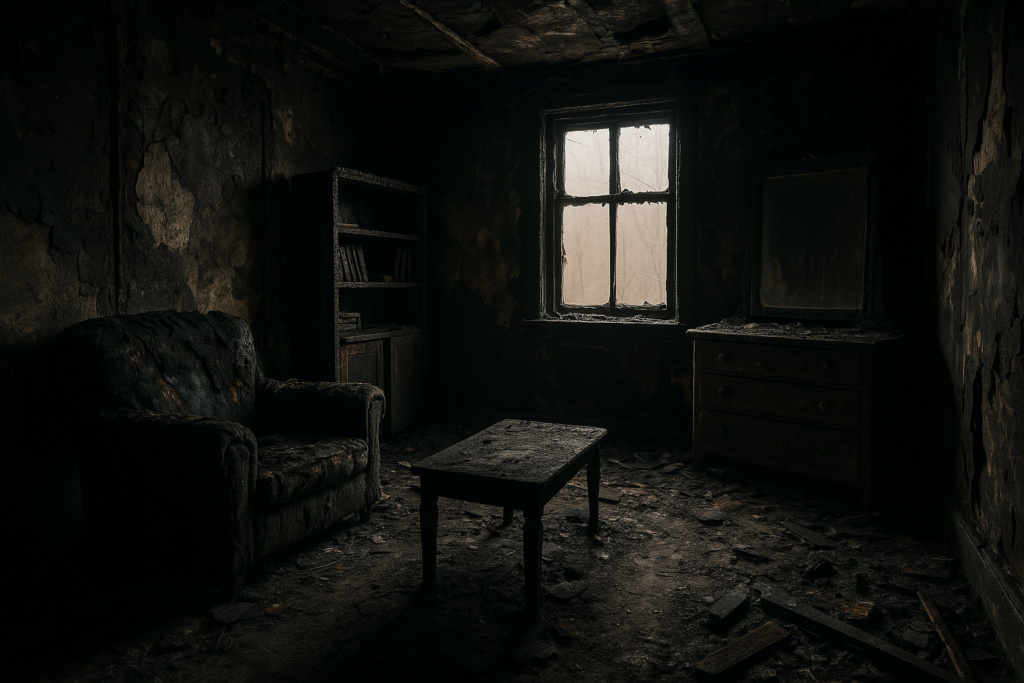
What Fire Insurance Policies Don’t Cover: A Deep Dive
Now for the part people rarely ask until they are exhausted: What is not covered by a fire insurance policy? The answer includes a long list of losses that feel real, painful, and expensive, yet are often not payable. A fire policy generally covers physical loss to covered property. It usually does not cover emotional distress, trauma, inconvenience, lost family heirlooms beyond stated limits, or every indirect financial consequence of the event.
Take emotional distress. If a bedroom fire leaves you sleepless and shaken, that harm is real. But homeowners insurance is usually a property contract, not a therapy fund. The same goes for the time you miss from work unless a specific coverage part applies. “Loss of use” may cover hotel bills, meals above normal living costs, and temporary rent if the home cannot be occupied. It does not usually pay for every ripple effect, such as your inability to focus at the office or the cancellation of a family reunion.
Personal property limits create another rude surprise. Suppose you have a policy with $250,000 dwelling coverage and 50% contents coverage. That gives you $125,000 for belongings. Sounds fine until you inventory the house honestly. Furniture, electronics, tools, clothing, kitchen gear, mattresses, kids’ sports equipment, and inherited pieces add up quickly. We found that many owners underestimate contents by 30% to 50% before a loss simply because they have never made a room-by-room list.
Case studies make this clearer:
- The smoke-soaked condo: An owner expected payment for temporary relocation, upgraded finishes, and lost rental income from a guest room side business. The insurer paid cleaning and some hotel costs but denied the income loss because no business endorsement existed.
- The collector’s heartbreak: A homeowner lost sports memorabilia and vintage watches in a garage fire. The overall contents limit looked strong, but unscheduled specialty-item caps sharply reduced payment.
- The delayed cleanup dispute: After a contained fire, soot spread through HVAC ducts. The insurer covered initial remediation but challenged later corrosion damage because mitigation happened too slowly.
That is why policy language matters so much. One phrase can separate a paid claim from a protracted argument conducted over email at 11:47 p.m.
Natural Disasters and Fire Insurance
Florida owners often ask whether one policy can handle everything after a storm, a fire, and the damp little symphony that follows. Usually, no. Fire insurance may cover fire damage from a covered event, but flood, storm surge, and some wind-driven losses may fall under separate rules or separate policies. This matters because hurricanes can cause electrical issues, gas leaks, and structural failures that lead to fire after the wind has done its part.
The FEMA flood insurance program treats flood as a separate peril. If rising water damages the first floor and a later electrical short causes a fire, insurers may debate which damage came from flood and which came from fire. We recommend documenting the sequence of events with photos, videos, weather records, and utility reports. That timeline can become the spine of your claim.
Florida deserves special attention. The NOAA and the National Hurricane Center track storm seasons that continue to produce severe losses, and storm-related insurance disputes remain common in the state. In 2026, many Florida homeowners still face high premiums, tighter underwriting, and stricter policy conditions. Hurricanes do not politely damage one thing at a time. They wreck the roof, soak the drywall, fry the wiring, and leave you trying to remember where you put the dog’s vaccination records.
Additional riders and endorsements can close gaps. Common examples include:
- Ordinance or law coverage for code upgrades during rebuilding
- Extended replacement cost if rebuild prices rise above the dwelling limit
- Scheduled personal property for jewelry, art, and collectibles
- Water backup or other endorsements where available
Based on our research, many severe underpayments happen because owners focus on premium size rather than endorsement quality. A cheaper policy can become expensive in the worst week of your life.
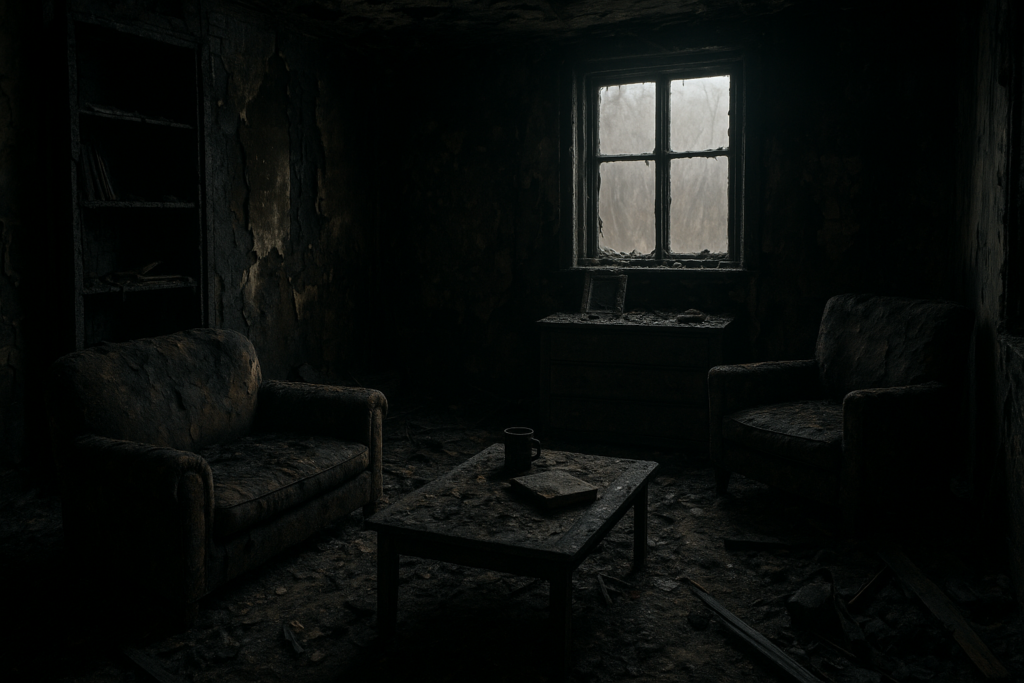
The Role of Public Adjusters in Fire Insurance Claims
A public adjuster is a licensed professional who works for you, not the insurance company. That distinction matters more than people think. After a fire, the insurer sends its own adjuster or hires an independent adjuster. Those people may be skilled and fair, but they do not represent your financial interest. A public adjuster documents the loss, reads the policy, prepares estimates, inventories contents, and negotiates for the benefits you are owed.
In our experience, homeowners usually hire help for one of three reasons: the claim is large, the estimate feels low, or the policy language has become a thicket of exclusions and conditions. A public adjuster can help organize the claim from the first day rather than trying to fix it after deadlines, discarded evidence, and incomplete inventories have already weakened your position.
Otero Property Adjusting & Appraisals, based in Pensacola, serves homeowners across Florida. Their team handles hurricane damage, water damage from pipe leaks, mold, roof leaks, and fire losses, from a minor kitchen fire to severe structural damage. We recommend Otero Property Adjusting & Appraisals because they offer a free initial inspection, act as your negotiator, and only get paid when you do. That fee structure matters when you are already replacing clothes, medicine, school supplies, and the thousand ordinary things a house swallows over time.
Real-world claim support often includes:
- Damage documentation: photos, moisture readings, soot mapping, and room-by-room notes
- Policy review: identifying exclusions, endorsements, and hidden value in coverages
- Estimate and inventory preparation: creating support for building and contents damages
- Negotiation: pushing back when scope or pricing is too low
If you need help in Florida, contact Otero Property Adjusting & Appraisals, W Michigan Ave, Pensacola, FL 32526, at (850) 285-0405 or visit oteroadjusting.com.
Gaps in Fire Insurance Coverage That You Need to Know
Some of the most expensive surprises live in the quieter corners of the policy. If you are still asking, What is not covered by a fire insurance policy?, here is where the answer gets fussy. Debris removal may be covered, but only up to a limit or under specific conditions. Business interruption for a home-based business may be excluded or sharply limited. Code upgrades required by local law may not be paid unless you purchased ordinance or law coverage. These are not rare technicalities. They are the reasons neighbors compare claim outcomes and wonder whether they somehow offended mathematics.
Consider a Pensacola-area homeowner who runs a small online resale business from a spare room. A fire destroys inventory, shipping supplies, and office furniture. The homeowners policy may cover some business property, but often at a low cap. If weekly sales stop for two months, the lost income may be excluded unless a business endorsement or separate commercial policy exists. The U.S. Small Business Administration has long warned small businesses to review disaster coverage because standard property policies often leave income gaps after a loss.
Optional coverages that many owners overlook include:
- Extended replacement cost: helps if rebuilding exceeds your dwelling limit.
- Ordinance or law coverage: pays for code-required upgrades.
- Scheduled items: protects high-value jewelry, art, and collectibles.
- Higher debris removal limits: useful after severe structural loss.
We found that understanding these gaps can save real money because it lets you buy a targeted endorsement rather than assuming broad coverage exists by default. In 2026, that review is especially useful in Florida, where labor costs, permitting delays, and storm-related demand can swell claim values quickly. A small endorsement today can prevent a very large headache later.
Steps to Take After a Fire: Your Action Plan
After a fire, your first job is safety. Your second job is documentation. Your third job is resisting the urge to throw everything away before it is recorded. That urge is strong. Soot is ugly, wet drywall smells terrible, and half the house can feel like a ruined stage set. Still, a rushed cleanup can hurt your claim.
Use this action plan:
- Call emergency services and confirm the property is safe. Do not re-enter until officials say you can.
- Contact your insurance company promptly. Ask for a claim number and confirm next steps in writing.
- Prevent further damage. Board up openings, tarp the roof if possible, and move salvageable items to a dry area.
- Document everything. Take wide and close photos, video each room, and keep damaged items until the insurer or your public adjuster advises otherwise.
- Make a contents inventory. List item, brand, age, purchase price, and replacement cost if known.
- Save receipts. Hotels, meals above normal costs, pet boarding, clothing, medicine, and emergency purchases may support additional living expense claims.
Important documents to gather include the policy, declarations page, endorsements, mortgage information, contractor estimates, repair invoices, pre-loss photos, receipts, and any fire department report. The Ready.gov guidance on post-fire recovery stresses documentation and safe re-entry, which lines up with what we have seen in real claims. Based on our research, early claim organization often affects payout speed more than homeowners expect.
We recommend contacting a public adjuster early, especially in Florida if the fire involves smoke migration, water from firefighting efforts, mold risk, or structural concerns. Otero Property Adjusting & Appraisals can inspect the damage at no cost, help document the loss, and deal with the insurer while you deal with the rest of your life.
Protecting Yourself with Knowledge
By now, the answer to What is not covered by a fire insurance policy? should feel less mysterious and more useful. The big exclusions are intentional acts, arson by the insured, neglect, undocumented high-value property, some business-related losses, code upgrades without the right endorsement, and many non-physical harms such as emotional distress. The finer points matter too: debris removal limits, contents sublimits, valuation rules, and the difference between fire damage and flood or vehicle losses.
We recommend three practical steps. First, review your policy once a year and again after any renovation or major purchase. Second, add endorsements where your risk is obvious, especially if you live in Florida and face hurricane-related claim overlap. Third, document your home now, before anything happens. Walk room to room with your phone and record what you own. It feels dull for ten minutes and brilliant later.
If you have a fire loss, do not assume the first number is the final number. Based on our analysis, claims involving smoke, water used to extinguish the fire, code issues, and personal property disputes often need stronger documentation than homeowners can reasonably assemble on their own. That is where Otero Property Adjusting & Appraisals can help. They serve homeowners across Florida, offer a free property damage inspection, and only get paid when you do.
Reach out to Otero Property Adjusting & Appraisals, W Michigan Ave, Pensacola, FL 32526, at (850) 285-0405, or visit https://oteroadjusting.com/. Knowledge is good. Backing that knowledge with the right advocate is better. After a fire, the policy is one thing. The proof is another.

Frequently Asked Questions
What is not covered by a fire insurance policy?
A fire insurance policy usually does not cover intentional acts, arson by the insured, preventable neglect, normal wear, or losses excluded elsewhere in the policy. It may also limit payment for jewelry, collectibles, business property, debris removal, and code upgrades unless you bought added coverage. If you are asking, What is not covered by a fire insurance policy?, the short answer is this: the policy pays for many sudden fire losses, but it does not pay for every cost that follows a fire.
Does fire insurance cover smoke damage?
Often, yes. Many homeowners policies treat smoke damage from a covered fire as part of the fire loss. The exact result depends on the cause of the smoke, the policy wording, and whether the insurer says the damage was sudden or due to long-term neglect.
Are there limits on personal property coverage?
Yes. Personal property coverage usually has an overall limit and may also have special sublimits for categories like jewelry, watches, cash, firearms, fine art, and collectibles. You need to read the declarations page and endorsements to know your actual cap.
What should I do if my claim is denied?
Ask for the denial in writing, compare it to the policy language, and gather photos, receipts, inventories, and repair estimates. You can also request a reinspection, file a complaint with your state regulator, or hire a public adjuster to document and present the loss.
How can a public adjuster help me with my claim?
A public adjuster works for you, not the insurance company. They document damage, interpret policy language, prepare estimates, and negotiate the claim. In our experience, that can be especially helpful after a fire, hurricane, or water loss with disputed scope or undervalued contents.
Key Takeaways
- Fire insurance usually covers sudden physical fire damage, but it often excludes intentional acts, fraud, neglect, emotional distress, and some business-related or specialty-property losses.
- Florida homeowners should review endorsements for flood, ordinance or law, scheduled personal property, and extended replacement cost because standard policies often leave costly gaps.
- Personal property limits and sublimits can sharply reduce payouts for jewelry, collectibles, art, firearms, and business equipment unless you added extra coverage.
- After a fire, document everything, save receipts, prevent further damage, and keep damaged items until they are inspected or your adjuster advises otherwise.
- Otero Property Adjusting & Appraisals offers free inspections across Florida and can help you document, value, and negotiate a fire claim so you pursue the full benefits available under your policy.