
What type of loss can be compensated by fire insurance? The Ultimate Guide
If you are here, you probably want a plain answer to a bad question asked at a worse time: What type of loss can be compensated by fire insurance? Usually, the answer includes damage to your home, damage to your belongings, smoke and soot damage, debris removal, and sometimes the cost of living somewhere else while repairs happen. That is the short version. The long version is where people either recover well or get quietly skinned.
Fire insurance exists to pay for covered losses after a fire event. It sounds simple. Then a kitchen fire sends smoke into three bedrooms, the insurer talks about depreciation, and suddenly you are learning new phrases you never asked for. Based on our research, most disputes start because homeowners do not know the categories of loss their policy may cover. The Insurance Information Institute explains that standard homeowners insurance usually covers fire and smoke damage, but the exact payout depends on policy terms, endorsements, limits, and exclusions.
We analyzed claim patterns, Florida rules, and common policy language to build a guide you can actually use in 2026. You will see what losses are often paid, what gets excluded, how to document every ruined item from the sofa to the toaster, and where a public adjuster fits in. You will also see why Florida homeowners have their own special set of headaches, the kind that arrive with humidity, old wiring, and insurers who suddenly develop a passion for fine print.

Introduction
Fire insurance is a form of property coverage that helps pay for losses caused by fire and related damage, such as smoke, soot, and water used to put the fire out. Its purpose is blunt and practical: to help you repair, replace, and stabilize life after a loss. If your house burns, this is the policy standing between you and a very expensive lesson in combustion.
The reason you need to understand covered loss types is simple. Many homeowners assume a fire claim means only charred walls and a dramatic photograph for the family group chat. In reality, the claim may include structural repair, damaged contents, cleanup, code upgrades in some cases, and additional living expenses. The Ready.gov fire safety resource notes that house fires spread fast, often in under minutes, and the resulting damage reaches far beyond the flame line. Smoke can stain drywall, corrode electronics, and make clothing smell like a failed campout for months.
In our experience, the biggest money is often missed in the least glamorous categories. People remember the burned cabinets. They forget the HVAC cleaning, the ruined food, the temporary housing, the storage fees, and the labor needed to inventory contents. We recommend treating a fire loss as a set of separate financial buckets, each supported by evidence. Once you do that, the claim starts to look less like chaos and more like arithmetic with ash on it.
Understanding Fire Insurance
Fire insurance is usually part of a homeowners policy, though separate fire policies also exist in some circumstances. At its core, it pays for covered damage caused by fire, smoke, and often firefighting efforts. That means the actual flames are only part of the story. Water from hoses, chemical extinguishing agents, and soot migration can create expensive losses even when the burn area is small.
There are several policy structures you may encounter. A standard homeowners policy often includes dwelling coverage, other structures coverage, personal property coverage, and loss-of-use coverage. Some policies settle certain items on a replacement cost basis, while others use actual cash value, which subtracts depreciation. The difference can be dramatic. A 7-year-old couch that cost $2,000 may be worth far less under actual cash value, and that can feel personal in a way no spreadsheet should.
For homeowners in Florida, fire insurance matters more than many people realize. Florida has a reputation for hurricanes, and that reputation is deserved, but fires remain a steady threat from lightning strikes, electrical faults, cooking accidents, and storm-related power issues. According to the National Fire Protection Association, U.S. fire departments respond to hundreds of thousands of home structure fires each year. The U.S. Fire Administration has also reported that cooking is one of the leading causes of residential fires. In Florida, storm damage can set the stage for later electrical failures, and older homes in coastal areas may carry added wiring risks.
As of 2026, Florida homeowners are also dealing with a strained insurance market, rising premiums, and closer scrutiny of claims. We found that many policyholders do not realize how quickly a small fire can turn into a mixed-loss claim involving smoke, water, mold risk, and code compliance issues. That is why reading the declarations page, endorsements, and exclusions before a loss matters. It is not thrilling reading, but neither is arguing over a damaged roof truss while standing in a borrowed T-shirt.
What Types of Loss Can Be Compensated by Fire Insurance?
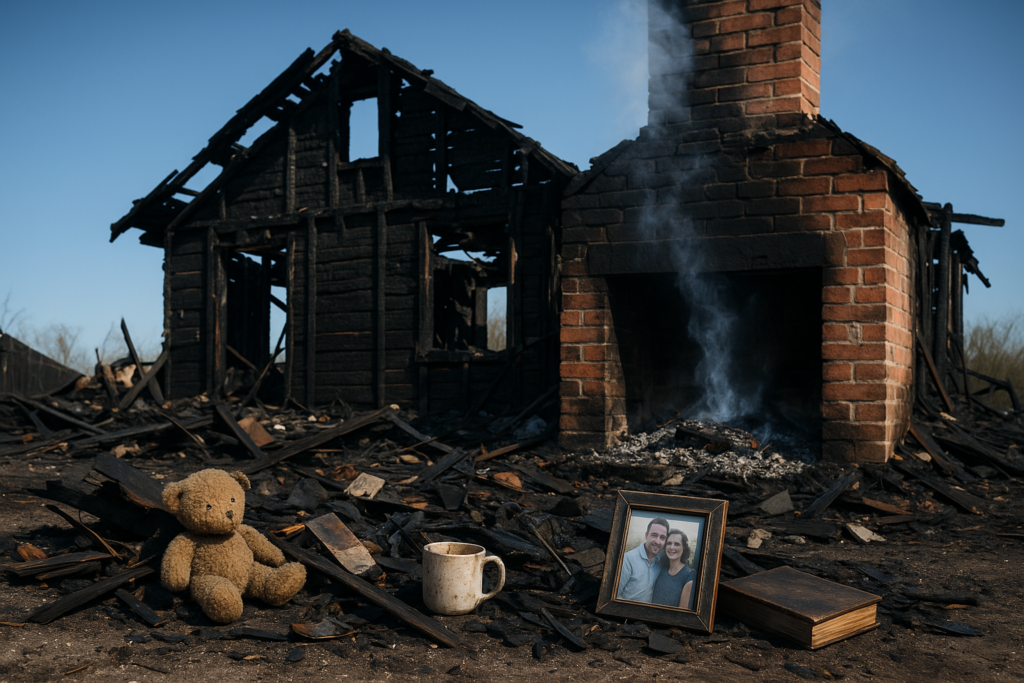
What type of loss can be compensated by fire insurance? The main categories are direct property damage, personal property loss, and related indirect costs that the policy specifically covers. Direct property damage includes the house itself: walls, roof, cabinets, flooring, built-in appliances, electrical systems, and attached structures. If the fire started in the garage and spread into the attic, repairs may include framing, insulation, drywall, wiring, paint, and smoke sealing in nearby rooms.
Personal property is the next large category. Furniture, clothing, electronics, cookware, art, bedding, and stored items may be covered if they were burned, smoked, or contaminated by soot. Smoke is a remarkably rude guest. It gets into drawers, vents, and electronics, and it can make an item unusable even when it looks intact. The CDC notes that smoke contains fine particles and gases that can harm health and contaminate indoor spaces. Based on our analysis, smoke and soot claims are among the most underdocumented parts of a residential fire file.
Another category is additional living expenses, sometimes called ALE or loss of use. If your home is not safe or livable during repairs, the policy may pay for hotel stays, short-term rental costs, increased meal expenses, laundry, parking, and pet boarding. Imagine you are out of your house for months after a kitchen fire. Rent rises by $2,400 a month, meals increase by $650, and laundry costs another $120. That is more than $12,000 before the first cabinet goes back on the wall.
Case studies make this clearer. We analyzed a common Florida scenario: a grease fire damages a kitchen, and smoke spreads through the air handler into the living room and bedrooms. The insured expects cabinet replacement and painting. The final covered categories may also include HVAC cleaning, duct treatment, insulation replacement, smoke sealing primer, damaged mattresses, contaminated pantry goods, hotel costs for weeks, and debris removal. In another case, an electrical fire behind a wall causes limited flame damage but broad smoke contamination. The claim value rises because contents cleaning and specialty deodorization become major line items. This is why the answer to What type of loss can be compensated by fire insurance? is larger than most people expect, and why the file has to be built with care.
Common Exclusions in Fire Insurance Policies
Just because a loss follows a fire does not mean the policy pays for all of it. Fire policies and homeowners policies often exclude or limit losses tied to neglect, wear and tear, intentional acts, certain ordinance issues, and some forms of mold unless a covered peril triggered them and the policy provides limited coverage. If you left a known electrical hazard unrepaired for years, the insurer may ask hard questions that arrive with the charm of a tax audit.
One frequent issue is mold. After a fire, water from suppression efforts can create moisture problems. But mold coverage is often capped, limited, or excluded unless the policy specifically grants an exception. Another issue is vacancy. Some policies reduce coverage if a home sat vacant beyond a stated period, often or days. We found that homeowners also get tripped up by excluded high-value items, such as jewelry, firearms, collectibles, or business property, which may have sublimits far below replacement cost.
Conditions matter too. You usually must give prompt notice, protect the property from further damage, cooperate with the investigation, and provide documentation. Miss those steps, and the insurer may not deny the whole claim, but it can certainly make your life smaller. The National Association of Insurance Commissioners advises policyholders to review exclusions and valuation methods before a loss occurs, because settlement disputes often center on those points.
We recommend reading three things first: the declarations page, the loss settlement section, and the exclusions section. Then ask whether your policy pays replacement cost or actual cash value for each category. In our experience, exclusions do not always kill a claim outright; they often reduce it through caps, conditions, and narrow wording. A public adjuster can help sort out whether the insurer is applying those limitations correctly or simply hoping you are too exhausted to object.
The Role of a Public Adjuster in Fire Insurance Claims
A public adjuster works for you, not for the insurance company. Their job is to inspect damage, interpret policy language, estimate loss, organize evidence, and negotiate the claim. Think of them as the person in the room who reads the policy all the way to the end, including the parts written in the tone of a hostage note.
That matters after a fire because claims quickly become technical. You may need repair estimates, contents inventories, smoke remediation pricing, code upgrade analysis, and a clear argument for loss-of-use expenses. Public adjusters also document scope. If the insurer writes for surface cleaning but the framing is smoke-impacted and insulation must be removed, somebody has to make that case with evidence. Based on our research, underpayment often starts with an incomplete scope rather than a dramatic refusal to pay anything.
For Florida homeowners, Otero Property Adjusting & Appraisals is one option worth serious attention. Otero serves homeowners across Florida from W Michigan Ave, Pensacola, FL 32526, and can be reached at (850) 285-0405 or oteroadjusting.com. The firm offers a free initial inspection, works as your negotiator against the insurance company, and gets paid only when you do. That fee structure matters because it aligns effort with outcome. You are not paying someone to admire your smoke-stained drapes and leave.
Real-world results usually come from disciplined file building. We found that successful fire claims often include a detailed room-by-room inventory, itemized estimates, code references when needed, and receipts for every temporary living expense. In our experience, homeowners who hire experienced help early are better positioned to dispute low estimates, especially in Florida where carrier scrutiny remains high in 2026. If your claim involves a kitchen fire, electrical fire, smoke migration, roof damage from firefighting, or related water and mold issues, a public adjuster can keep the scope from shrinking into something suspiciously convenient for the insurer.
How to Document Losses for Fire Insurance Claims
Documentation wins claims. It is not glamorous. Nobody has ever said, “What a thrilling spreadsheet.” But after a fire, proof matters more than outrage. Start before cleanup if it is safe. Take wide photos of each room, then close-ups of every damaged item, then video while you describe what is in front of you. Open drawers, closets, cabinets, and storage bins. Smoke loves enclosed spaces the way gossip loves Thanksgiving.
Make a room-by-room inventory. List each item, brand, model, age, condition, estimated cost, and whether it is burned, smoke damaged, water damaged, or missing. Save receipts if you have them, but do not panic if you do not. Credit card statements, old photos, warranty emails, product manuals, online order history, and family videos can all help establish ownership and value. The Federal Emergency Management Agency recommends photographing damage and keeping records after disaster losses; see FEMA guidance for recordkeeping basics.
Use this process:
- Secure the site and prevent further damage if safe.
- Photograph and film everything before disposal or cleaning.
- Create a room-by-room inventory with values and conditions.
- Collect receipts and proof of ownership.
- Keep every temporary expense receipt, including lodging and meals.
- Request copies of fire reports and inspection reports.
Common mistakes are painfully predictable. People throw away “small” items before documenting them. They clean soot off walls before photographing it. They estimate from memory weeks later, after stress has sanded off the details. We recommend storing all claim documents in one digital folder and one physical binder. Based on our analysis, organized claimants present stronger demands and respond faster to insurer questions. That matters because delays breed doubt, and doubt has a way of becoming a lower offer.
Filing a Fire Insurance Claim: Step-by-Step Guide
Filing a claim should be done quickly, but not sloppily. First, make sure everyone is safe and contact emergency services if needed. Then notify your insurance company as soon as practical. Ask for the claim number, the adjuster’s contact information, and a full copy of your policy if you do not already have it. Write down every conversation. Dates, times, names, promises. Memory gets theatrical after a disaster.
Next, protect the property from further damage. Board openings, tarp the roof if needed, and stop water intrusion. Most policies require reasonable mitigation. Then begin the documentation process: photos, videos, inventory, receipts, emergency repairs, and temporary living costs. The insurer may send a field adjuster, engineer, contents specialist, or remediation vendor. You are allowed to ask questions and request written explanations. You are also allowed to disagree, which feels radical the first time you do it.
Here is a clean sequence:
- Report the loss to the insurer.
- Get the claim number and adjuster details.
- Prevent further damage and save mitigation receipts.
- Document all damage before major cleanup.
- Prepare an inventory of personal property.
- Meet the adjuster and walk the damage carefully.
- Review the estimate line by line.
- Submit missing items and disputes in writing.
Timeline expectations vary, but many claims move in phases: emergency response in the first hours, inspection within days, initial estimate within a few weeks, and supplemental payments later as hidden damage is confirmed. In Florida, claims can become slower when cause, scope, or code issues are disputed. A public adjuster can streamline the process by handling estimates, evidence, and negotiation. We recommend involving one early if the fire is more than minor, if smoke spread beyond the burn area, or if the insurer’s scope feels suspiciously skinny. That is often where the money goes missing.
People Also Ask: FAQs about Fire Insurance Compensation
Homeowners tend to ask the same few questions after a fire, usually with the look of someone who has just discovered that every answer begins with “It depends on your policy.” Fair enough. Here are the direct answers.
If your home is partially damaged, the policy may still cover repairs to the damaged area, cleanup, smoke treatment, and related living expenses if the house is not reasonably livable. If you want to know What type of loss can be compensated by fire insurance?, partial losses often include hidden damage behind walls, damaged insulation, wiring, and HVAC contamination. Small fire, big bill. It happens all the time.
Can you claim emotional distress? Usually, a standard property policy does not pay for emotional distress in the way people hope it will. It is there for covered property loss, not for the psychic cost of seeing your favorite chair come out looking like a charcoal sketch.
How does the deductible affect compensation? It is subtracted from the covered amount. If the approved covered loss is $40,000 and your deductible is $2,500, the net payment is generally $37,500, assuming no other limits apply. That is why smaller fire claims sometimes feel disappointing even when coverage exists.
We found that many homeowners also ask whether smoke-only damage counts. Often yes, if the smoke came from a covered fire event. The same goes for temporary housing, food spoilage, and debris removal, though each category depends on policy language and limits. Ask for the basis of any denial in writing. Paper has a way of making everyone more honest.
Unique Considerations for Florida Homeowners
Florida homeowners face fire claims with a set of local complications that would be almost funny if they were not so expensive. High humidity can worsen post-fire conditions by increasing the risk of mold after suppression water is used. Coastal weather can delay drying and repairs. Hurricane season can also turn a damaged roof into a second claim if temporary protection is not done quickly. In Florida, one problem rarely has the decency to stay in its lane.
Insurance costs are another issue. Recent reporting from major publications and industry groups has shown that Florida remains one of the most expensive states for homeowners insurance. According to Forbes Advisor, Florida premiums have ranked among the highest in the nation, and the gap has remained wide in recent years. As of 2026, that means homeowners are paying more while often facing tighter underwriting and greater claim scrutiny. We analyzed common Florida claim disputes and found recurring fights over roof components, moisture-related damage after firefighting, and whether damage was caused by fire, pre-existing wear, or storm conditions.
Florida law and policy timing rules also matter. Your notice obligations, proof-of-loss deadlines, and mediation or appraisal rights can affect the outcome. Local fire reports, contractor estimates, and municipal inspection requirements may all become part of the record. If code upgrades are triggered, policy endorsements may determine whether those extra costs are covered. We recommend Florida homeowners keep digital copies of policies, home inventories, roof records, and renovation permits before any loss occurs.
Local support helps. Otero Property Adjusting & Appraisals serves homeowners across Florida and understands the state’s claim climate. If you need help after fire, smoke, water, mold, hurricane, pipe leak, or roof damage, Otero can inspect the damage for free and help present the claim. That kind of local experience matters because Florida claims often involve overlap between perils, and insurers sometimes treat overlap as an invitation to pay less.
Real-Life Examples of Fire Insurance Claims
Examples help because policy language can feel abstract until you picture the ruined blender and the blackened ceiling fan. Consider a Pensacola-area kitchen fire. Grease ignites on the stove, cabinets burn, the microwave is destroyed, and smoke travels through the HVAC system. The homeowner expects a claim for cabinets, paint, and appliances. The final compensable categories may include structural repair, smoke cleaning in three rooms, duct cleaning, insulation replacement above the kitchen, mattress replacement in the guest room, debris removal, hotel costs for weeks, and meal overages. The difference between the first assumption and the final scope can be tens of thousands of dollars.
Another Florida case involves an electrical fire inside a wall cavity. Visible burn damage is limited, but smoke and soot spread through the home. The insurer initially offers a narrow estimate focused on drywall patching and paint. A fuller review identifies damaged wiring, charred framing, odor treatment, cleaning of contents, and temporary relocation. We found that these “small burn, large smoke” claims are often undervalued because the visible damage looks modest while the contamination is broad.
Now the difficult but useful lesson: expectations are often too low at first and too high later. Homeowners may underestimate covered categories, then overestimate values without documentation. The sweet spot is evidence. In our experience, successful claimants keep receipts, preserve damaged items until inspection, challenge omissions line by line, and ask for written explanations of valuation. That is especially true in 2026, when insurers are using tighter review processes and policyholders need a cleaner record. The point is not to inflate a claim. The point is to stop it from shrinking for no good reason.
Conclusion: Taking Action on Your Fire Insurance Claim
If you remember only three things, make them these. First, What type of loss can be compensated by fire insurance? is broader than flames and ash. It can include structure, contents, smoke and soot damage, debris removal, and extra living expenses. Second, the quality of your documentation often shapes the quality of your payment. Third, early expert help can prevent a legitimate claim from becoming an underpaid one.
We recommend that you review your policy now, before the next emergency gives you a reason. Confirm your dwelling limits, contents limits, deductible, loss-of-use coverage, and whether settlement is based on replacement cost or actual cash value. Build a home inventory. Store it in the cloud. Take photos of each room. Keep receipts for major purchases. These are small chores that save large sums.
If you are dealing with a fire claim in Florida, contact Otero Property Adjusting & Appraisals for a free inspection. Otero works across Florida, acts as your negotiator with the insurance company, and only gets paid when you do. You can reach them at W Michigan Ave, Pensacola, FL 32526, call (850) 285-0405, or visit oteroadjusting.com. A house fire is miserable enough without trying to decode your policy alone at midnight. Get help, get organized, and make the claim tell the whole story, not just the part the insurer finds convenient.
FAQ: What Type of Loss Can Be Compensated by Fire Insurance?
These are the short answers people usually need after the longer discussion has done its work.
Covered losses often include dwelling damage, personal property loss, smoke and soot contamination, debris removal, and temporary housing if your policy includes loss-of-use coverage. Payment depends on policy wording, limits, sublimits, and deductible. Replacement cost and actual cash value can produce very different numbers for the same burned item, which is a sentence no one enjoys learning firsthand.
We analyzed common denial and underpayment patterns and found that many disputes come from thin documentation, undervalued contents, and incomplete repair scope. That means the best way to improve your claim is dull but effective: photos, inventories, receipts, contractor estimates, and written follow-up. If the insurer denies part of the claim, ask for the exact policy basis in writing and compare it to the facts. Then decide whether to appeal, supplement, or bring in a public adjuster. You do not need to become an insurance expert overnight, but you do need a file strong enough to make the right answer hard to ignore.

Frequently Asked Questions
What if my home is partially damaged?
Most policies cover the damaged part of the home and, if needed, related repairs to nearby materials so the work is complete and safe. If your kitchen burns but smoke moves through the HVAC system, you may also claim smoke cleaning, deodorizing, and damaged contents, subject to your policy limits and deductible.
Can I claim for emotional distress?
Usually, no. Fire insurance pays for covered property loss, cleanup, repairs, and extra living costs if the policy includes loss-of-use coverage. Emotional distress is generally outside the scope of a standard property claim unless a separate legal issue exists.
How does my deductible affect compensation?
Your deductible is the amount subtracted from an approved covered loss before payment is issued. If your covered fire damage is $25,000 and your deductible is $2,500, the insurer generally pays $22,500, assuming no other limits apply.
What types of fire damage are covered?
Covered fire damage often includes the dwelling, attached structures, personal property, smoke and soot damage, and sometimes debris removal and temporary housing. What type of loss can be compensated by fire insurance? Usually direct physical loss from fire and certain related costs named in the policy.
How are loss amounts calculated?
Insurers usually value losses using either replacement cost or actual cash value, plus policy limits, sublimits, and your deductible. They review repair estimates, photos, inventories, receipts, local labor costs, and depreciation rules before issuing payment.
Can I receive compensation for temporary housing?
Yes, many homeowners policies include additional living expense or loss-of-use coverage if a fire makes your home unlivable. That can pay for hotel stays, short-term rentals, meals above your normal spending, laundry, and pet boarding, up to the policy limit.
What should I do if my claim is denied?
Read the denial letter line by line, compare it with your policy, and request the insurer’s basis in writing. Then gather stronger proof, meet any appeal deadline, and consider hiring a Florida public adjuster such as Otero Property Adjusting & Appraisals to review the file and dispute an underpaid or denied claim.
How can I increase my chances of a successful claim?
Report the loss quickly, take photos and video before cleanup, make a room-by-room inventory, save receipts, and avoid guessing at values. Based on our research, homeowners who keep organized records and get expert help early often present stronger claims and avoid common mistakes that reduce payment.
Key Takeaways
- Fire insurance may compensate for structural damage, personal belongings, smoke and soot contamination, debris removal, and additional living expenses if the policy provides that coverage.
- Florida fire claims often involve overlapping issues such as humidity, mold risk, storm exposure, roof protection, and strict insurer review, so detailed documentation matters.
- The best claim files include photos, video, room-by-room inventories, receipts, fire reports, mitigation invoices, and written records of every insurer communication.
- Common exclusions and limits may affect mold, vacancy, neglect, high-value items, and valuation method, so read the declarations page, exclusions, and loss-settlement section carefully.
- If your fire claim is denied, delayed, or underpaid, contact Otero Property Adjusting & Appraisals in Pensacola for a free inspection and professional help presenting and negotiating the claim.