
Can You Have Soot Without Fire? Expert Answers for Florida Homeowners
Can you have soot without fire? Yes, and that little fact has startled more than one homeowner who thought the black film on the vent cover must have come from some dramatic blaze with sirens, hoses, and a neighbor in slippers. Instead, the culprit is often quieter and more annoying: a furnace issue, a candle habit, a puff-back from an oil system, a smoldering material, or a diesel source nearby.
Soot is usually associated with fire because most people meet it after a kitchen flare-up or a house fire. Still, based on our research, soot is really a byproduct of incomplete combustion, and incomplete combustion can happen without what you would call a visible fire dancing in the room like it owns the place.
If you own a home in Florida in 2026, this question matters for two reasons. First, soot can damage surfaces, HVAC systems, clothing, and electronics. Second, soot claims can become insurance disputes with surprising speed. We found that homeowners often clean too soon, throw away evidence, or describe the loss too casually. That is why public adjuster support matters. If soot has affected your property, Otero Property Adjusting & Appraisals in Pensacola serves homeowners across Florida and offers a free inspection before you make expensive mistakes.

Introduction: Exploring the Mysteries of Soot
Soot sounds old-fashioned, like something a chimney sweep would carry home on his cuffs, but it remains a modern indoor air problem. The term refers to dark carbon-rich particles produced when fuels do not burn completely. Wood, oil, natural gas, diesel, kerosene, candles, and even cooking grease can create it. The black smear on your ceiling fan blade may look modest, but it can signal a larger combustion or ventilation problem.
The question Can you have soot without fire? keeps showing up because homeowners see residue and smell smoke, yet there was no obvious blaze. That mismatch is unsettling. You begin to wonder whether your HVAC is misfiring, whether the dryer vent is venting, whether someone in the neighborhood has been idling a diesel truck for an hour, and whether your insurance company will treat the issue as sudden damage or house-keeping neglect. It is a bit like finding muddy footprints in the hallway and realizing you live alone.
We analyzed current guidance, combustion science, health research, and insurance practice to answer the question clearly. You will see what soot is, how it forms, when it appears without traditional fire, what health risks it carries, and how to protect your home and your claim. For Florida homeowners in 2026, that mix of science and insurance detail is not trivia. It is self-defense.
Understanding Soot: What Is It?
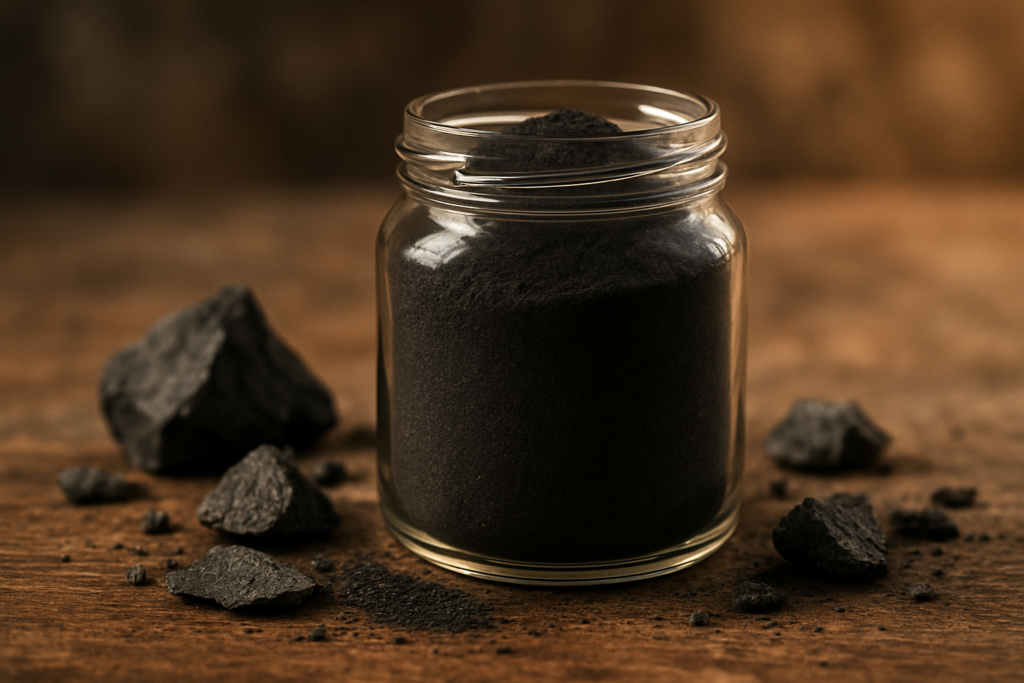
Soot is a collection of fine black particles made mostly of carbon, along with ash, metals, acids, and organic chemicals. Some particles are so small they drift through air ducts and settle on crown molding, lamp shades, and the tops of picture frames, where they sit like gossip at a church social. According to the EPA, fine particulate matter includes particles with diameters of 2.5 micrometers or smaller, small enough to reach deep into the lungs.
The formation process is fairly plain. A fuel starts to burn. There is not enough oxygen, not enough temperature consistency, or not enough mixing of fuel and air. The fuel breaks down into fragments. Those fragments cluster into particles. The particles cool and exit as soot. Studies on combustion repeatedly show that soot output rises during incomplete combustion events, especially in enclosed systems, engines, and dirty burners.
Numbers help here. The International Energy Agency has long tracked fossil fuel use, and diesel combustion remains a major black carbon source worldwide. A global assessment published in major environmental literature estimated that black carbon remains one of the strongest short-lived climate forcers. In household settings, candle and cooking emissions can also produce measurable indoor particulate spikes. Based on our analysis, homeowners often underestimate low-level soot because it arrives gradually. It does not always announce itself with flames. Sometimes it just redecorates your walls in gray without asking permission.
- Main components: elemental carbon, organic compounds, sulfates, nitrates, trace metals
- Common appearance: black or brown film, streaking near vents, residue on ceilings and fabrics
- Typical behavior: spreads through airflow, clings to porous materials, stains painted surfaces
The Science Behind Soot Formation
If you strip away the drama, soot is chemistry being sloppy. During efficient combustion, fuel reacts with oxygen and ideally forms carbon dioxide, water, and heat. During inefficient combustion, the reaction stops halfway, producing carbon monoxide, volatile organic compounds, and soot particles. The National Institute of Standards and Technology and fire science researchers have documented that soot forms in fuel-rich zones where oxygen is limited and temperatures fluctuate.
This is where the answer to Can you have soot without fire? becomes more precise. You can have soot without an open flame because smoldering, overheated appliances, puff-backs, and engine exhaust all involve incomplete combustion. Smoldering combustion is especially tricky. It burns slowly on the surface of a material such as insulation, wiring residue, upholstery, or dust buildup. The temperature is lower than flaming combustion, but the smoke and soot output can be high. It is the quiet relative at Thanksgiving who somehow causes the most trouble.
Engine studies give us useful evidence. The U.S. Department of Energy notes that diesel engines are efficient but historically associated with higher particulate emissions than gasoline engines, which is why diesel particulate filters became standard. A major health review from the International Agency for Research on Cancer classified diesel engine exhaust as carcinogenic to humans. We found that these same combustion principles apply on a smaller scale inside homes: a dirty burner, blocked flue, or malfunctioning gas appliance can leave soot even when no room fire occurred.
- Fuel heats up and releases hydrocarbons.
- Oxygen is limited or mixing is poor.
- Incomplete combustion creates carbon fragments.
- Particles agglomerate into visible soot.
- Air movement spreads soot through vents, wall cavities, and rooms.
Can You Have Soot Without Fire? The Direct Answer
Yes, absolutely. Can you have soot without fire? Yes, because a visible flame is not required for soot production. What you need is incomplete combustion or a related residue event. A furnace puff-back, for example, can send oily soot through a home in minutes. Candle soot can gather above picture frames and along HVAC lines. A malfunctioning water heater can leave dark residue near vents. None of these scenes look like a classic fire loss, yet the cleanup can still be expensive.
Consider smoldering materials. A scorched electrical component, overheated motor, or wiring issue can create smoke and soot before open flame ever appears. Then there are chemical and fuel incidents. In oil-heated systems, a delayed ignition can produce what contractors call a puff-back, which spreads sticky soot through ducts and onto nearly every washable and non-washable surface. The cleanup is rarely small. The residue can reach clothing, attic insulation, blinds, and electronics because soot particles move with air currents as if they have social ambitions.
Expert opinion supports this. Fire restoration professionals and HVAC investigators routinely document soot losses without room ignition. Based on our research and field experience with property claims, these losses are often misunderstood by carriers at first notice. Homeowners say, “There was no fire,” and the insurer hears, “There was no covered event.” That is a mistake. If you are in Florida, we recommend documenting the source, preserving damaged contents, and contacting a public adjuster early. Otero Property Adjusting & Appraisals can inspect the property, identify the likely cause, and present the loss with the sort of detail insurers tend to respect more than panic.
Common Sources of Soot Beyond Fire
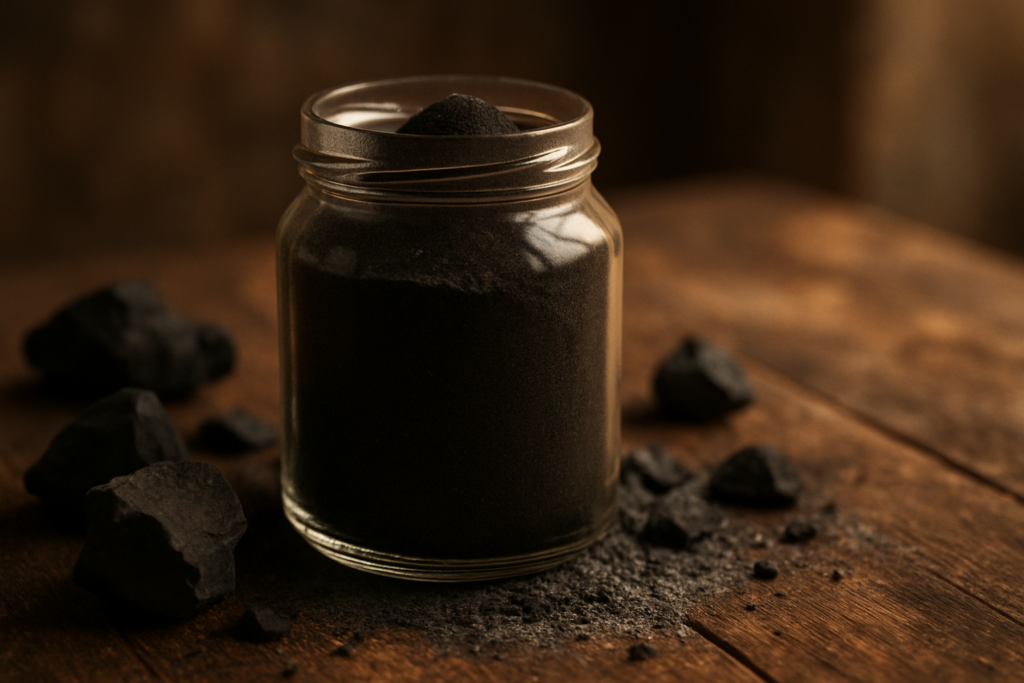
Once you stop equating soot only with flames, the suspect list gets longer. Can you have soot without fire? Yes, and many homes prove it in tedious little ways. Common non-fire sources include diesel exhaust, oil furnace puff-backs, gas appliance malfunctions, candles, fireplaces with poor draft, tobacco smoke, cooking oils, and industrial emissions that enter through outside air intakes. Florida homes near busy roads, ports, construction corridors, or industrial activity may see outdoor particulate infiltration more often than owners realize.
Household appliances deserve special attention. Furnaces, boilers, gas dryers, water heaters, and stoves can all produce soot if burners are dirty or oxygen supply is poor. Candles are another favorite offender. The so-called “clean candle” fantasy does not always survive contact with reality. Scented candles with long wicks can produce visible soot, especially in rooms with poor ventilation. The EPA has warned that indoor combustion sources can elevate particle levels significantly indoors. The CDC also advises caution around indoor air contaminants that aggravate respiratory conditions.
Statistics paint the larger backdrop. The WHO estimates that ambient air pollution contributes to around 4.2 million premature deaths worldwide each year. In the United States, transportation remains a key source of particulate pollution, with diesel engines contributing disproportionately to black carbon. As of 2026, improved engine standards have reduced some emissions, but older equipment, generators, and poorly maintained systems remain common soot sources after storms in Florida.
- Indoor sources: candles, cooking, fireplaces, furnaces, dryers, water heaters, smoking
- Outdoor sources: diesel trucks, generators, marine traffic, industrial stacks
- Event-based sources: puff-backs, power outage generator use, smoldering wiring, post-storm equipment use
Health Risks Associated with Soot Exposure
Soot is not just ugly. It can be medically significant. The smallest particles, especially PM2.5, can travel deep into the lungs and even enter the bloodstream. The EPA links fine particle exposure to asthma aggravation, reduced lung function, irregular heartbeat, and increased risk of heart attack in vulnerable populations. The CDC and WHO echo the same concerns. Tiny particles make a big nuisance of themselves.
Specific groups face higher risk. Children breathe more air per pound of body weight than adults. Older adults, people with asthma, COPD, or cardiovascular disease, and anyone with a weakened immune system can experience more severe symptoms. According to the WHO, air pollution exposure is associated with stroke, heart disease, lung cancer, and respiratory infections. That is not a fussy warning from a pamphlet rack. That is a serious public health statement with a body count attached.
We found that homeowners often focus on visible stains and ignore symptoms such as headaches, coughing, throat irritation, and odor-related nausea. In our experience, that is backward. If soot is present, you should treat air quality as part of the loss. In 2026, many remediation firms use particulate testing, HVAC inspection, and source tracing to confirm contamination. We recommend three immediate steps: limit exposure, avoid using the affected HVAC until inspected, and seek medical advice if anyone in the home has breathing symptoms. Cleaning after soot damage is not a matter of waving a sponge around and hoping for character growth.
Preventing Soot Accumulation in Your Home
Prevention is less glamorous than insurance recovery, but it costs less and generally involves fewer phone calls. If you want to reduce the odds of asking Can you have soot without fire? while staring at black streaks on your crown molding, start with maintenance. Heating systems, gas appliances, fireplaces, and water heaters should be inspected regularly. The U.S. Department of Energy and HVAC trade guidance both stress the value of routine service for safe, efficient combustion and airflow.
Here is the practical version, which is the only version worth much:
- Schedule annual inspections for furnaces, boilers, and gas appliances.
- Replace HVAC filters on schedule, often every to months depending on system use.
- Trim candle wicks to about/4 inch and avoid burning candles near vents.
- Use kitchen exhaust fans when frying or high-heat cooking.
- Check venting and flues for blockages, corrosion, or disconnected sections.
- Keep generators outdoors and away from windows and air intakes after storms.
Based on our analysis, one of the most overlooked causes of indoor soot is dirty supply and return airflow combined with combustion residue. You get a little buildup, then the air handler performs the house-wide distribution service. We recommend keeping maintenance records because they may help if a future claim turns into an argument about neglect. In Florida, where homes run cooling systems hard and storm recovery often involves temporary equipment, clean filters and proper venting matter more than people think.
Soot in Insurance Claims: What You Need to Know
This is where the story stops being scientific and starts wearing a necktie. Soot damage can trigger valid homeowners insurance claims, but the outcome often depends on cause, timing, documentation, and policy language. A sudden covered event such as a puff-back, electrical malfunction, or smoke migration from a neighboring covered fire may be treated differently than long-term residue tied to maintenance issues. The insurer will ask what happened, when it happened, what was damaged, and whether you took steps to mitigate further harm.
Common pitfalls are almost painfully predictable. Homeowners clean before documenting. They throw out damaged contents. They fail to identify a source. They describe a broad contamination event as “just some dust.” Then the claim value shrinks and everyone acts surprised. We analyzed claim handling patterns, and the strongest files usually include date-stamped photographs, room-by-room inventories, repair invoices, HVAC inspection notes, and professional causation opinions.
If you live in Florida, a public adjuster can help organize and negotiate the claim. Otero Property Adjusting & Appraisals, W Michigan Ave, Pensacola, FL 32526, serves homeowners across the state. If soot damage appears after a furnace issue, kitchen event, storm-related generator use, or a minor fire, we recommend this step-by-step approach:
- Photograph all damage before cleaning.
- Protect the property from further damage if safe.
- Report the loss to your insurer promptly.
- Request a free inspection from Otero Property Adjusting & Appraisals at oteroadjusting.com or call (850) 285-0405.
- Do not discard evidence until coverage and scope are documented.
In our experience, early adjuster involvement can prevent under-scoping of cleaning, contents, HVAC contamination, and hidden smoke spread.
Steps to Take After Soot Damage
If you discover soot in your home, do not begin by scrubbing it like a person in a detergent commercial. That can grind particles deeper into paint, fabric, and porous materials. Start with calm, evidence, and a plan. Based on our research, the first to hours matter because they shape both cleanup success and claim strength.
Here is what to do:
- Make sure the source is off or contained. Shut down the suspected appliance if safe to do so. If you smell gas or suspect an active hazard, leave and call emergency services or the utility provider.
- Document everything. Take wide and close photos of walls, vents, contents, ceilings, and mechanical equipment.
- Do not dry wipe soot. Smearing is easy. Proper soot sponges and professional methods are different from household cleaning.
- Limit HVAC use until the system is inspected, especially if soot may have traveled through ducts.
- Notify your insurer and keep notes of every call.
- Contact Otero Property Adjusting & Appraisals for a free inspection and claim guidance anywhere in Florida.
We recommend Otero because soot losses are often underestimated, and hidden contamination can affect surfaces the carrier may overlook at first pass. Their office is located at W Michigan Ave, Pensacola, FL 32526, and they can be reached at (850) 285-0405. The memorable truth is simple: soot does not need a bonfire to make a mess of your house and your insurance claim. It just needs one bad combustion event and a homeowner who waits too long.

Frequently Asked Questions
Can you have soot without fire?
Yes. Soot can form without an open flame. Smoldering materials, malfunctioning furnaces, candle smoke, diesel exhaust, and certain chemical or oil-heating problems can all leave soot behind even when you never see a traditional fire.
Can soot cause respiratory problems?
Yes. Soot contains fine particles, including PM2.5, that can irritate your lungs and airways. The U.S. Environmental Protection Agency and the World Health Organization both warn that fine particulate exposure is linked to breathing problems and heart risk.
What should I do if I find soot in my home?
Start by stopping the source if you can do so safely. Then photograph the damage, avoid dry wiping soot, contact your insurance company, and call a licensed public adjuster such as Otero Property Adjusting & Appraisals to document the loss before cleaning removes evidence.
Does homeowners insurance cover soot damage?
Sometimes, yes. Coverage often depends on the cause, the policy language, and whether the soot came from a sudden covered event or a maintenance issue. We recommend reading the exclusions section closely and getting a professional damage assessment before speaking in detail about value with the carrier.
Can soot be invisible?
It can be. Soot often appears as black, brown, or gray film on walls, ceilings, vents, blinds, and electronics, but very fine soot may hide inside HVAC systems, insulation, or fabric fibers. That’s one reason odor and residue testing matter.
Key Takeaways
- You can have soot without an open fire because incomplete combustion, smoldering, puff-backs, engines, candles, and appliance failures can all create soot.
- Soot is a health and property issue, not just a cosmetic one; fine particles can affect lungs, HVAC systems, fabrics, electronics, and indoor air quality.
- Document soot damage before cleaning, avoid spreading residue, and preserve evidence for your insurance claim.
- Florida homeowners should act quickly after soot damage by reporting the loss, arranging an inspection, and confirming the source of contamination.
- For help with soot-related insurance claims, contact Otero Property Adjusting & Appraisals in Pensacola at (850) 285-0405 or visit https://oteroadjusting.com/ for a free inspection.