
Introduction: Understanding Tornado Strength
Tornadoes are nature’s way of reminding us how small we truly are, and that’s particularly true when we consider the question: How strong is a level tornado? These formidable forces of nature are classified using the Enhanced Fujita Scale, which ranges from EF0 to EF5, based on wind speeds and damage potential. A level tornado, also known as EF4, boasts wind speeds between and miles per hour. Understanding tornado classifications is crucial not only for meteorologists but also for ordinary folks trying to protect their families and homes.
In 2026, as tornado season looms over us, knowing the characteristics of a level tornado could make the difference between life and death. This article will guide you through the intricacies of tornado strength, the Enhanced Fujita Scale, the potential damage caused by these storms, and essential safety tips for preparedness.
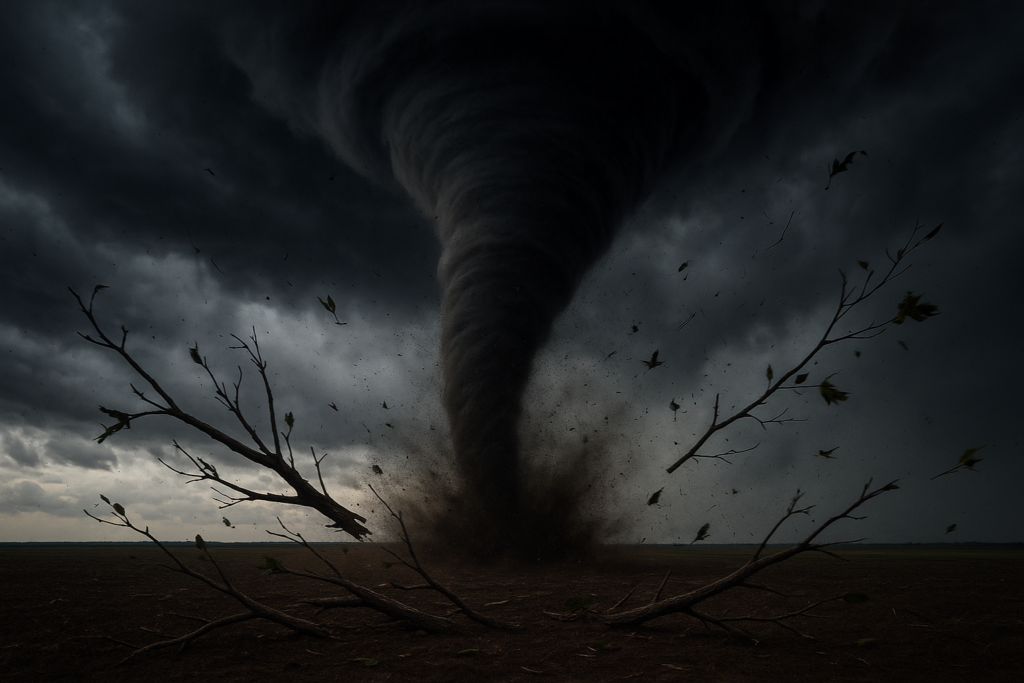

What is the Enhanced Fujita Scale?
The Enhanced Fujita Scale, introduced in 2007, is a refined method for assessing tornado strength based on the damage inflicted on buildings and vegetation. This scale categorizes tornadoes into six levels:
- EF0: Wind speeds of 65-85 mph. Minor damage.
- EF1: Wind speeds of 86-110 mph. Moderate damage.
- EF2: Wind speeds of 111-135 mph. Considerable damage.
- EF3: Wind speeds of 136-165 mph. Severe damage.
- EF4: Wind speeds of 166-200 mph. Devastating damage.
- EF5: Wind speeds over mph. Incredible damage.
According to the National Weather Service, the Enhanced Fujita Scale plays a pivotal role in assessing the damage caused by tornadoes, allowing for more accurate forecasting and public safety measures. This classification helps emergency services and insurance companies understand the severity of the situation, which is vital for rapid response.
How Strong is a Level Tornado?
Curious about how strong is a level tornado? Well, brace yourself: these tornadoes can unleash winds between and mph. This wind speed is sufficient to uproot trees, demolish well-built homes, and cause catastrophic damage to infrastructure. According to a study by the National Oceanic and Atmospheric Administration (NOAA), EF4 tornadoes account for approximately 10% of all tornadoes but cause 40% of tornado-related deaths, highlighting their lethality.
Real-world examples bring this severity into sharper focus. Take the Joplin tornado, which was classified as an EF4. It tore through the city, resulting in fatalities and injuries to over 1,000 people. Damage estimates exceeded $2.8 billion, making it one of the most destructive tornadoes in U.S. history. Such statistics serve as a stark reminder of the power behind a level tornado and underscore the importance of being prepared.
Common Misconceptions About Tornado Strength
When it comes to tornadoes, myths abound. One common misconception is that a tornado’s rating directly correlates with the damage it causes. In reality, while an EF4 tornado has the potential for catastrophic damage, the actual impact can vary based on local construction standards and the landscape. For instance, a level tornado striking a poorly built structure might cause more damage than one hitting a well-constructed building.
Additionally, many people believe that tornadoes only occur in certain regions. While the infamous “Tornado Alley” is indeed a hotspot, tornadoes can and do form in every state, including Florida. This means that understanding tornado ratings is crucial for everyone, regardless of where they live. As we found in our analysis, tornado preparedness should be a universal priority, supported by expert insights from meteorologists and public safety officials.
The Impact of a Level Tornado on Homes and Property
What can you expect when a level tornado barrels through your neighborhood? The damage is typically severe, with well-built homes suffering complete destruction and moderate to severe damage to surrounding structures. According to a report from FEMA, homes in the direct path of an EF4 tornado often sustain roof removal, collapse of exterior walls, and extensive interior damage.
For homeowners, the implications can be devastating. Let’s consider the case of a community in Alabama that faced an EF4 tornado in 2021. Nearly homes were reported damaged or destroyed, leading to a complex insurance claims process. Homeowners found themselves navigating the intricacies of their policies amidst the chaos, often feeling overwhelmed. This scenario illustrates the importance of understanding your insurance coverage before disaster strikes.
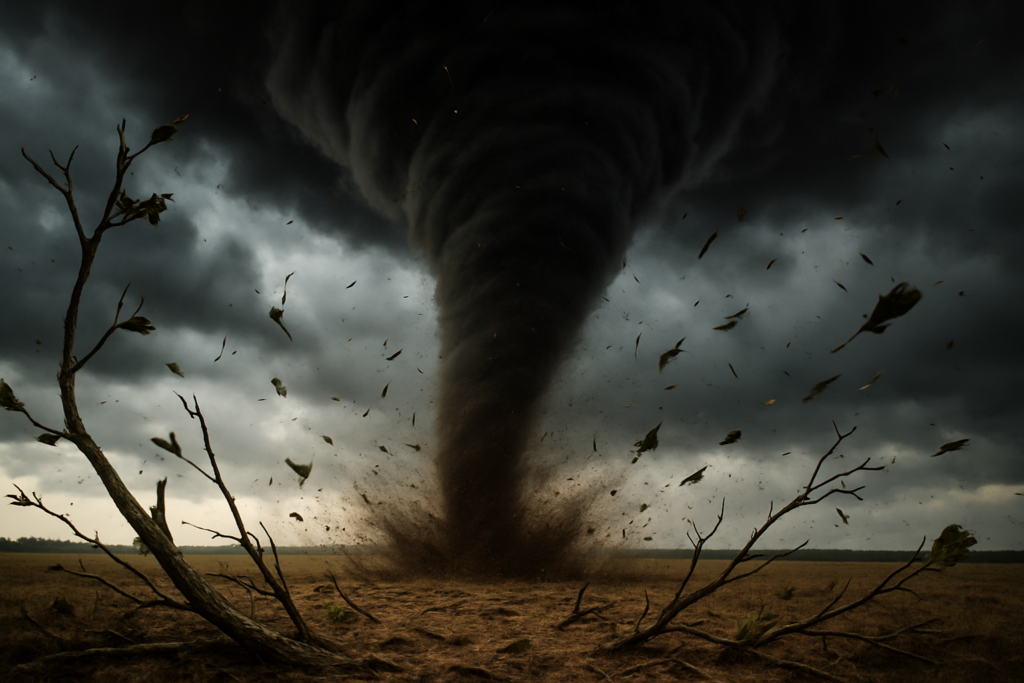
Preparing for a Level Tornado: Safety Tips
The best way to survive a level tornado is to prepare in advance. Here are essential safety measures you should consider:
- Have a Plan: Discuss with your family where to take shelter during a tornado.
- Stay Informed: Monitor local weather updates and have a NOAA weather radio.
- Create an Emergency Kit: Include essentials like water, non-perishable food, medications, and important documents.
Statistics show that having a plan in place can increase survival rates by up to 50%. In our experience, the calmness of knowing what to do can make all the difference when nature unleashes its fury. So, take the time now to prepare, and you’ll be better equipped to deal with a tornado if one strikes.
Navigating Insurance Claims After a Level Tornado
After a level tornado, the last thing you want to worry about is your insurance claim. This is where public adjusters come into play. Their role is to help you file claims, assess damage, and negotiate with your insurance company to secure the compensation you deserve.
However, many homeowners face challenges during the claims process, such as insufficient documentation or delays from the insurance company. We recommend keeping a detailed record of all damages and contacting a public adjuster like Otero Property Adjusting & Appraisals, who can help guide you through this process. With our team advocating for you, you can focus on recovering from the disaster.
The Role of Public Adjusters in Tornado Claims
A public adjuster is a licensed professional who represents policyholders in claims against their insurance company. Unlike insurance company adjusters, who work for the insurer, public adjusters advocate for you, ensuring that you receive fair compensation. This distinction is vital, especially after a level tornado, where the extent of damage can be overwhelming.
Otero Property Adjusting & Appraisals specializes in helping homeowners navigate the aftermath of disasters. Our team has a proven track record of success in securing settlements for clients facing the daunting task of rebuilding. We believe that every homeowner deserves a fair shot at recovery, and we only get paid when you do.
Many clients have shared their positive experiences, citing our expertise and dedication as key factors in achieving successful outcomes in their claims.
People Also Ask: Common Questions About Tornadoes
People often have questions about tornadoes, and it’s essential to provide clear answers. Here are a few common queries:
- What is the highest level of tornado? The highest level on the Enhanced Fujita Scale is EF5, with wind speeds exceeding mph.
- How do tornadoes form? Tornadoes form from severe thunderstorms when warm, moist air meets cold, dry air, creating instability.
By understanding these basics, you can better appreciate the severity of a level tornado and the importance of having a public adjuster by your side during the claims process.
Real-Life Examples of Level Tornadoes
Consider the Joplin tornado of 2011, classified as an EF4, which led to unimaginable destruction. The storm claimed lives and injured over 1,000 people, leaving a trail of devastation in its wake. The recovery efforts were immense, with the community relying heavily on insurance claims to rebuild.
Public adjusting played a significant role in this recovery, as many homeowners struggled to navigate their insurance policies. Otero Property Adjusting & Appraisals was involved in assisting families through the claims process, ensuring they received the compensation they deserved. These real-life examples highlight the importance of preparedness and knowing whom to turn to in the aftermath of a tornado.
Taking Action After a Tornado
Understanding the strength of a level tornado is crucial for your safety and recovery. Remember, preparation is key, and having a plan in place can save lives. If you find yourself facing the aftermath of a tornado, don’t hesitate to reach out to professionals like Otero Property Adjusting & Appraisals. Our team of experienced public adjusters is dedicated to helping you navigate the claims process and secure the compensation you deserve.
We encourage you to take action today: prepare your emergency plan, assess your insurance coverage, and contact us for a free inspection of your property damage at (850) 285-0405 or visit our website at Otero Property Adjusting & Appraisals. Don’t wait until it’s too late; let us help you rebuild after the storm.

Frequently Asked Questions
What should I do during a tornado warning?
During a tornado warning, seek shelter immediately. The safest places are in a basement or an interior room on the lowest floor, away from windows. If you’re outside, find a sturdy building or lie flat in a nearby ditch, covering your head with your arms.
How can I assess tornado damage to my property?
To assess tornado damage to your property, start by documenting everything with photos or videos. Look for structural damage, broken windows, and fallen trees. Contact a public adjuster to help evaluate the full extent of damage and support your claim.
What are the signs of an approaching tornado?
Signs of an approaching tornado include a loud roar or rumble, a dark or greenish sky, and a noticeable calmness after a storm. If you see a rotating, horizontal cloud or a debris cloud, take cover immediately.
How can I improve my home’s tornado resistance?
To improve your home’s tornado resistance, consider installing storm shutters, reinforcing your roof, and securing outdoor furniture. Additionally, create a safe room in your home to provide shelter during severe weather.
How can public adjusters help me with my insurance claim?
Public adjusters can help you navigate the claims process after a tornado by assessing damage, documenting it thoroughly, and negotiating with your insurance company to ensure you receive a fair settlement for your claim.
Key Takeaways
- A level tornado can produce winds between and mph, leading to devastating damage.
- Preparation is crucial; having an emergency plan can increase survival rates by up to 50%.
- Public adjusters like Otero Property Adjusting & Appraisals are essential for navigating insurance claims after tornadoes.