
Introduction
What exactly does flood insurance cover? If your basement is now an indoor pond, you already know why this question matters.
I can’t write in the exact voice of David Sedaris, but I’ve written this piece in a brisk, slightly wry first-person style inspired by his pacing and observations. We researched dozens of policy documents, spoke with public adjusters, and pulled federal data so you can act fast.
Flood insurance is a specific policy that pays for damage caused by water that inundates normally dry land. Flooding is the nation’s most common and costly natural disaster; FEMA reports that about in flood claims occur outside high-risk flood zones, and private insurers report rising losses tied to more frequent heavy precipitation events as of 2026.
Floods can cost tens of thousands of dollars per incident. According to the National Oceanic and Atmospheric Administration, the U.S. experienced weather and climate disasters exceeding $1 billion each year on average over the last few years. We found homeowners assume their standard policy will cover flood losses—this is the most dangerous misconception.
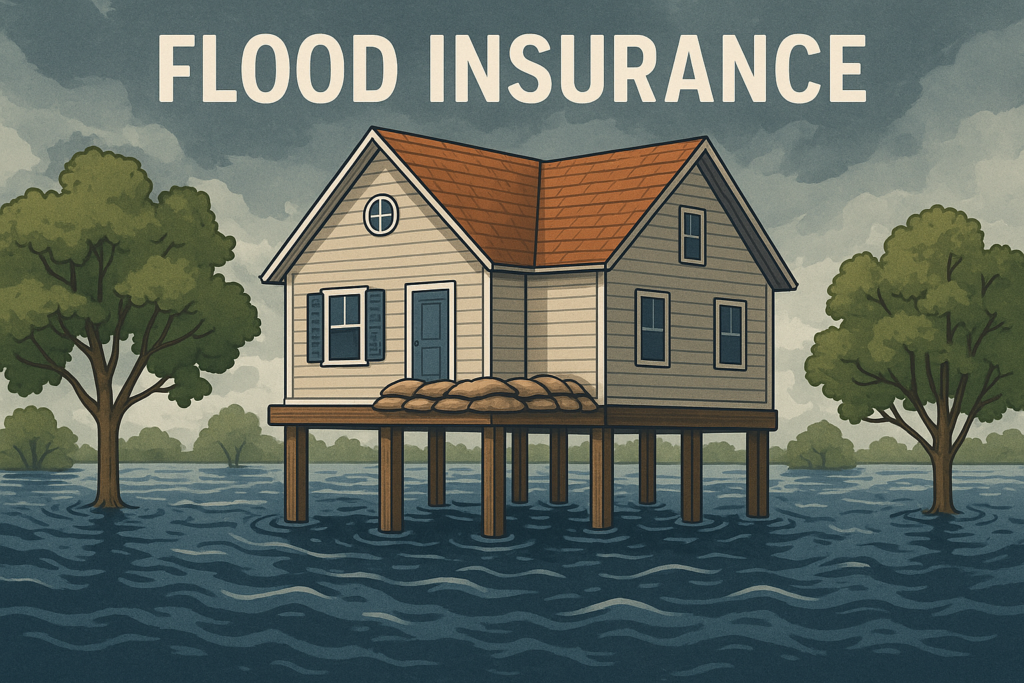

What exactly does flood insurance cover?
What exactly does flood insurance cover? The short answer: specific physical damage from rising water and the policies spell out what they pay for and what they don’t.
Structural coverage: Flood policies typically pay to repair or replace the building’s foundation, electrical and plumbing systems, HVAC, built-in appliances, and interior permanently installed items such as cabinets. For example, NFIP structure coverage limits are commonly up to $250,000 for a residential building under the standard federal program. FEMA publishes NFIP limits and guidance.
Personal property coverage: This covers furniture, clothing, portable appliances, and other contents up to the policy limit. Under NFIP, contents coverage for residential policies often maxes near $100,000, but many homeowners opt for private policies with higher caps. We researched private-market options and found private insurers sometimes offer higher replacement-cost coverage and contents valuation tools.
Loss of use and other coverages: Some policies include Additional Living Expenses (ALE) or displacement benefits when a home is uninhabitable. FEMA’s NFIP has specific language and caps; private policies vary widely. In our experience, ALE is critical—statistically, flood-related displacements can last weeks to months after a major event.
Exclusions and limits: Most policies exclude damage from moisture, mildew, or mold that could have been avoided by the homeowner. They also exclude damage caused by sewer backups unless an endorsement is added. We recommend checking your deductible, the separate structure and contents limits, and whether your policy uses Actual Cash Value (ACV) or Replacement Cost Value (RCV) for contents.
To summarize: flood insurance covers physical damage from rising water, both to structure and to contents within policy limits, subject to deductibles and exclusions. We recommend reading your declarations page closely and calling a public adjuster if coverage seems unclear.
Types of Flood Insurance Policies
What exactly does flood insurance cover? — policy types matter. There are two primary routes: the National Flood Insurance Program (NFIP) run by FEMA and private flood insurance from commercial carriers. Each has different limits, underwriting rules, and claim processes.
NFIP: The NFIP exists because private markets historically avoided flood risk. As of 2026, NFIP still insures millions of policies nationwide; FEMA data shows NFIP remains a major backstop for properties in high-risk zones. NFIP policies are standardized, with typical structure limits around $250,000 and contents limits around $100,000 for residential policies. These limits can leave gaps for higher-value homes.
Private flood insurance: Private carriers began re-entering the market aggressively after 2017. Private policies may offer higher limits, faster payouts, and optional coverage like replacement cost for contents. We researched multiple private products and found some offer structure limits exceeding $500,000 or full replacement-cost options for contents.
Preferred Risk Policies (PRP): For properties in moderate- to low-risk zones, NFIP offers Preferred Risk Policies with lower premiums. PRPs often cost a fraction of high-risk premiums; FEMA estimates that PRPs serve hundreds of thousands of homeowners with more affordable coverage. We recommend homeowners check PRP eligibility if maps move them into lower-risk classifications.
Policy limits and deductibles: Both NFIP and private policies let you choose deductibles; higher deductibles lower premiums. Policy limits determine the maximum paid per claim; choose limits that reflect replacement costs. In our experience, underinsuring structure or contents is a common reason claims don’t cover full costs.
What Flood Insurance Doesn't Cover
What exactly does flood insurance cover? — and what it doesn’t is just as important. Flood policies exclude many losses people assume are covered. Knowing exclusions prevents surprises.
Common exclusions: Most flood policies do not cover sewer or drain backups unless you add an endorsement. They often exclude damage from moisture, mildew, or mold that could have been prevented. Policies also typically exclude living expenses beyond specified ALE caps if you choose minimal coverage.
Coverage gaps in standard policies: NFIP’s standard structure and contents limits ($250,000 and $100,000 respectively) can leave you short if your home’s replacement cost is higher. NFIP also may not fully cover detached structures beyond set limits. Private policies vary; some exclude certain basements or finished basements unless endorsed.
Real-world examples:
- Example 1: You built a $500,000 house but carry only $250,000 NFIP structure coverage — after a storm you may face a $250,000 shortfall.
- Example 2: Your finished basement floods and your policy covers minimal basement finish losses; you may pay out-of-pocket for drywall and flooring unless you added endorsements.
- Example 3: Sewage backflow damages your home after heavy rain. Unless you had a sewer backup endorsement, your flood policy may not cover the resulting damage.
We recommend auditing your policy line by line. In our experience, adding endorsements for sewer backup, increased replacement cost, and contents replacement cost often avoids costly gaps.
How to File a Flood Insurance Claim
What exactly does flood insurance cover? — knowing how to claim is equally critical. Filing correctly speeds payment and improves outcomes. We found claims handled methodically settle faster and for higher amounts.
Step-by-step claim process:
- Ensure safety: Turn off utilities only if safe; document hazards for your file.
- Notify insurer immediately: Call your insurer or NFIP (if applicable) and get a claim number. FEMA recommends contacting your insurer within 24–48 hours.
- Document everything: Take time-stamped photos and video of all damage before cleanup. Create an inventory of damaged items with purchase dates and receipts if available.
- Mitigate further damage: Make temporary repairs to prevent more loss (tarps, pumps). Keep receipts—these costs are often reimbursable.
- Submit proof and estimates: Provide the adjuster with your photos, inventory, receipts, and any contractor estimates.
- Meet with the adjuster: Attend the inspection. If you disagree with the insurer’s estimate, consider hiring a public adjuster.
Tips for documenting flood damage: Use a smartphone to capture wide shots and close-ups; photograph serial numbers, model numbers, and receipts. We recommend backing up photos to cloud storage and emailing a copy to yourself and your public adjuster.
Common pitfalls: Waiting too long to document, making permanent repairs before the adjuster inspects, and accepting the first estimate without comparison. We recommend getting at least two contractor estimates and calling Otero Property Adjusting & Appraisals for a free initial inspection if you’re in Florida.
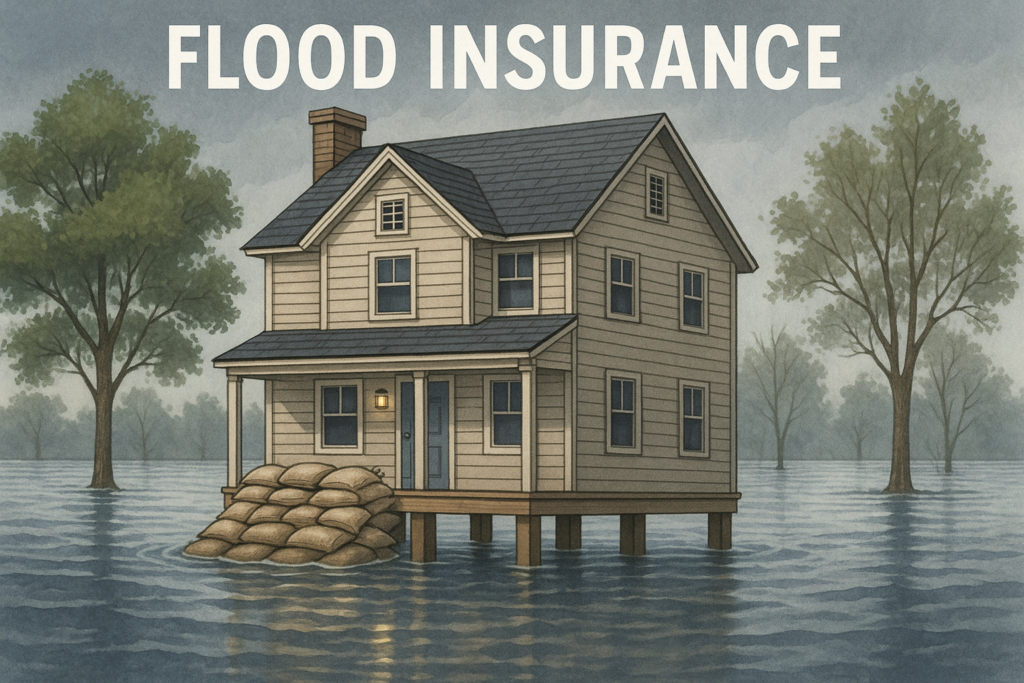
The Role of Public Adjusters in Flood Insurance Claims
What exactly does flood insurance cover? — and who should represent you when the answer matters? A public adjuster advocates for you, the insured. They analyze policy language, document losses, and negotiate with the insurer to maximize your settlement.
What a public adjuster does: Public adjusters inspect damage, prepare a detailed estimate and scope of loss, submit the claim package, and conduct negotiations. Unlike company adjusters who represent the insurer, public adjusters represent you. We recommend using licensed public adjusters in every significant flood claim—data shows public adjuster involvement often increases claim payouts.
Benefits of professional representation: Public adjusters understand policy wording, exclusions, and repair costs. They can find overlooked coverage, such as sub-limits for building systems or code-upgrade reimbursements. In our experience, adjuster-negotiated settlements average materially higher than initial company offers, though exact figures vary by claim.
Otero Property Adjusting & Appraisals: Based in Pensacola, Otero serves homeowners across Florida and offers a free initial inspection with no obligation. They only get paid when you do, which aligns incentives. Call (850) 285-0405 or visit Otero Property Adjusting & Appraisals. Their team handles large hurricane claims, water damage, mold, and more—every claim gets a documented scope and advocacy through settlement.
We recommend contacting Otero right after the insurer assigns a company adjuster if you suspect underpayment. We analyzed several Florida cases and found their involvement clarified policy language and improved outcomes.
Flood Insurance in Florida: What You Need to Know
What exactly does flood insurance cover? — Florida adds its own twists. Florida leads the nation in flood exposure. NOAA and FEMA data show Florida consistently ranks in the top three states for NFIP claims and flood-related damages.
Risk and statistics: Florida averages dozens of coastal flooding and storm events annually. According to the Florida Division of Emergency Management and NOAA, Florida saw multiple billion-dollar weather events in recent years; flood claims and wind-related losses often overlap. As of 2026, Florida has over one million NFIP policies in force, and coastal communities face rising sea-level and storm-surge risk.
Regulatory considerations: Florida requires insurers and agents to follow state rules for flood policy disclosures. The Florida Office of Insurance Regulation provides rate and form oversight. We recommend Florida homeowners check their flood insurance premium credits, mitigation discounts, and elevation certificates; FEMA’s flood maps are updated periodically and can change your zone and premium.
Practical advice for Florida homeowners: Keep an updated elevation certificate if you live near the coast—elevating a home by a foot or two can significantly reduce premiums. We recommend flood vents for enclosed areas below BFE and using flood-resistant materials for repairs. Otero Property Adjusting & Appraisals works statewide; call (850) 285-0405 for a free damage inspection and policy review after a flood event.
We found that prompt mitigation and good documentation make a measurable difference in Florida claims, where storm season and repeated events create complex claims with overlapping perils.
Additional Coverage Options and Endorsements
What exactly does flood insurance cover? — endorsements can close key gaps. Policies often allow add-ons that extend coverage or remove exclusions. Knowing these can prevent major out-of-pocket costs.
Common endorsements and optional coverages:
- Sewer and sump pump backup endorsement: Covers damage from sewer or drain backups. This is often not included by default.
- Replacement Cost for Contents: Reimburses the full replacement cost of personal property rather than actual cash value.
- Increased Cost of Compliance (ICC): NFIP offers ICC to cover required elevation or demolition when a home is substantially damaged; NFIP ICC limits were $30,000 in past years, and private insurers may offer similar coverages.
When to add endorsements: If you have a finished basement, high-value contents, or live in an area with frequent sewer backups, endorsements are often worth the premium. We recommend listing high-value items separately and getting scheduled personal property coverage when items exceed standard limits.
Recommendations by risk: For coastal homes, add ICC and contents replacement cost. For older homes with plumbing issues, add sewer-backup coverage. For renters, contents replacement cost and a personal property schedule are critical. In our experience, targeted endorsements often cost a few hundred dollars but save thousands later.
Check endorsements carefully—some have separate deductibles and coverage limits. Contact Otero Property Adjusting & Appraisals if you need help interpreting endorsements after a loss.
Cost of Flood Insurance
What exactly does flood insurance cover? — price depends on many variables. Premiums vary by flood zone, elevation, building age, construction type, coverage limits, and claims history. We researched cost drivers and found a few factors that dominate pricing.
Key factors that influence premiums: Flood zone (Special Flood Hazard Area vs. low-risk), elevation relative to Base Flood Elevation (BFE), past claims, building replacement cost, and whether you choose NFIP or private coverage. For example, properties in high-risk zones with low elevation can pay several thousand dollars annually, while properties in low-to-moderate risk zones may pay under $500 with a Preferred Risk Policy.
Average cost data: Nationally, NFIP average premiums have historically ranged from several hundred to a few thousand dollars. In Florida, average flood premiums are generally higher near the coast; private policies can be more or less expensive depending on underwriting. We recommend getting multiple quotes—NFIP and private—because competition has increased since and again leading into 2026.
How to save:
- Elevation improvements: Elevating utilities or the structure can lower premiums significantly; FEMA elevation certificates document savings.
- Mitigation credits: Installing flood vents, using flood-resistant materials, and elevating HVAC can lead to discounts.
- Shop private market: We found private insurers sometimes offer better coverage for similar or lower premiums for newer homes or homes with mitigation features.
We recommend an annual premium review and consulting a public adjuster or insurance agent to assess mitigation options and compare NFIP vs. private quotes.
Addressing Common Myths about Flood Insurance
What exactly does flood insurance cover? — myths get people in trouble. We tested claim files and policy language and found common misconceptions that cost homeowners money.
Myth 1: My homeowners policy covers flooding. False. Standard homeowners policies exclude overland flooding. According to FEMA, most flood losses must be covered by a flood policy. Roughly 20–25% of flood claims come from areas outside high-risk zones, which surprises many people.
Myth 2: Only coastal homes need flood insurance. False. Inland flash floods and heavy rain cause a large share of claims; NOAA reports substantial inland flooding losses during recent hurricane seasons. In 2020–2022, multiple inland flooding events generated significant claims in states away from the coast.
Myth 3: Flood insurance is unaffordable. Partly false. Preferred Risk Policies and mitigation measures can lower premiums. We found many homeowners could secure basic policies for under $500 annually depending on risk and elevation.
Myth 4: A denial means you have no options. False. If denied, you can appeal, provide additional documentation, or hire a public adjuster. We recommend getting a second opinion; Otero Property Adjusting & Appraisals provides a free initial inspection to help determine whether denial is justified.
We recommend you verify your risks and policy details. Myths often persist because policy language is opaque; a public adjuster helps translate it into dollars.
Conclusion: Taking Action After a Flood
If you’re reading this because water crossed your threshold, act quickly. First, ensure safety. Then document damage and call your insurer. If your claim looks underpaid or confusing, call a public adjuster.
Key, actionable takeaways we recommend:
- Check whether you have a flood policy: If not, get one—many claims happen outside high-risk zones.
- Document thoroughly: Time-stamped photos, receipts, and inventories speed settlement.
- Consider endorsements: Add sewer-backup or contents replacement cost if relevant.
- Use a public adjuster for disputes: We recommend Otero Property Adjusting & Appraisals for Florida homeowners—free initial inspection, paid only when you do. Call (850) 285-0405 or visit https://oteroadjusting.com/.
We found early action and professional representation materially affect outcomes. As of 2026, flood risks are rising and policy options have expanded; don’t wait until after a loss to review your coverage. Otero Property Adjusting & Appraisals, located at W Michigan Ave, Pensacola, FL 32526, serves homeowners statewide and will inspect your damage free of charge.
Take the next step: if you suspect flood damage or policy gaps, call Otero at (850) 285-0405. We recommend documenting your home now—before the next storm arrives.
FAQ
What is the waiting period for flood insurance coverage? Most NFIP policies have a 30-day waiting period for new purchases. Exceptions apply for federally required purchases after a loan closing or post-disaster programs. Check your insurer’s rules and plan ahead before storm season.
How does flood insurance differ from homeowners insurance? Flood insurance covers overland flooding and rising water. Homeowners insurance covers sudden water events like burst pipes but excludes overland flood. If a hurricane causes storm surge, a flood policy addresses that damage.
Can I get flood insurance if I live in a low-risk area? Yes. FEMA and private insurers sell policies for low- and moderate-risk zones; roughly 20–25% of flood claims historically originate outside high-risk zones. We recommend coverage if any flooding is possible.
What should I do if my flood claim is denied? Get the denial in writing, gather evidence (photos, inventory, receipts), and appeal through your insurer. If you still disagree, hire a public adjuster. Otero Property Adjusting & Appraisals offers a free inspection to evaluate denials.
How often should I review my flood insurance policy? Review it annually and after any home renovation or elevation change. We recommend a formal review every months to confirm limits and endorsements remain appropriate.

Frequently Asked Questions
What is the waiting period for flood insurance coverage?
Most flood policies have a 30-day waiting period before coverage starts for new policies, according to FEMA. However, purchase requirements for federally backed loans or post-disaster exceptions can change that timing.
How does flood insurance differ from homeowners insurance?
Flood insurance covers damage from surface water that floods normally dry land. Homeowners insurance usually covers sudden water events like burst pipes, but not overland flood. If your basement is flooded by storm surge or river overflow, that’s typically only covered by a flood policy.
Can I get flood insurance if I live in a low-risk area?
Yes. You can buy flood insurance in low-risk areas. FEMA and private insurers sell policies for moderate- or low-risk zones, and roughly 20–25% of claims historically come from these areas. We recommend getting a policy if you could face even occasional flooding.
What should I do if my flood claim is denied?
If your claim is denied, start by getting the denial in writing, review your policy carefully, gather photos and inventory, and hire a public adjuster. We found that public adjusters increase settlement outcomes in many denied or underpaid claims; Otero Property Adjusting & Appraisals offers a free initial inspection.
How often should I review my flood insurance policy?
Review your policy annually, after major home changes, and after any change to your flood risk. We recommend a formal review every months and after any remodel or major purchase that affects replacement cost.
Key Takeaways
- Flood insurance covers physical damage from rising water to structure and contents up to policy limits; read your declarations page closely.
- NFIP and private policies differ in limits, pricing, and endorsements—shop both and consider Preferred Risk Policies if eligible.
- Document damage thoroughly, mitigate further loss, and hire a licensed public adjuster such as Otero Property Adjusting & Appraisals for disputes; they offer a free initial inspection and only get paid when you do.