
What events are considered floods by insurers? The Ultimate Guide
Meta description: Discover what events are considered floods by insurers, types of flood insurance, and essential tips for homeowners in Florida.

Introduction
You usually learn What events are considered floods by insurers? at the exact moment you wish you were learning something else, like how to un-soak a sofa or why your garage now smells like a bait shop. The hard truth is simple: insurance companies use a very specific definition of flood, and that definition decides whether your claim lands in the paid pile or the pile that makes you stare at the wall.
For policyholders, especially in Florida, this matters more than most people realize. According to the Federal Emergency Management Agency, just 1 inch of floodwater can cause up to $25,000 in damage. The Insurance Information Institute also reports that 90% of all U.S. natural disasters involve flooding. That is not a niche problem. That is your living room in sensible shoes.
Based on our research, many homeowners still think any water damage is “flood damage.” It isn’t. A roof leak after wind damage may be one thing. Storm surge entering through your doors is another. In our experience, this confusion leads to delayed reporting, weak documentation, and denied claims. As of 2026, with heavier rain events and Florida’s insurance strain still making headlines, understanding the line between flood, water damage, and excluded loss is no longer optional. It is basic self-defense with paperwork.
What Is a Flood? A Clear Definition
The formal answer to What events are considered floods by insurers? begins with the National Flood Insurance Program, or NFIP. The NFIP defines a flood as a general and temporary condition of partial or complete inundation of normally dry land from overflow of inland or tidal waters, unusual and rapid accumulation or runoff of surface waters, mudflow, or collapse of land along a body of water caused by erosion. In most cases, the event must affect two or more properties or two or more acres, with at least one of those acres being your property. You can confirm that definition through FloodSmart.gov.
That sounds tidy on paper. Insurance companies, however, often apply the language with the enthusiasm of someone searching for a reason to say no. Private insurers may mirror the NFIP wording, but they can also add endorsements, narrower triggers, or separate deductibles. A sewer backup, for example, may feel like a flood in the emotional sense, which is to say disgusting and expensive, but it may not qualify as a flood unless your policy says so.
Florida adds extra urgency. The state has more than 8.7 million housing units, many in low-lying coastal and inland flood-prone areas, according to the U.S. Census Bureau. FEMA data has long shown that a large share of flood claims come from properties outside high-risk flood zones. We analyzed common Florida claim disputes and found that homeowners often confuse storm surge, surface water intrusion, and wind-driven rain. That distinction matters. In Florida, one weather event can trigger several causes of loss, and only some may qualify as flood under the policy language.
Types of Flood Events Recognized by Insurers
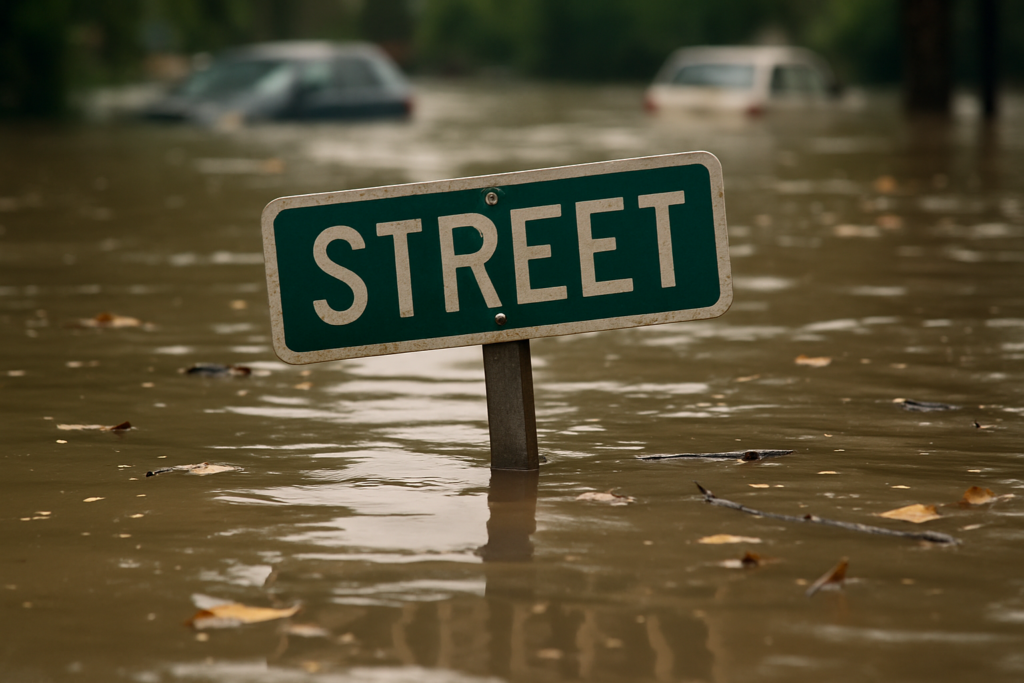
When people ask What events are considered floods by insurers?, they are usually picturing one of three things: a river climbing over its banks, the ocean barging in uninvited, or a hard rain turning streets into canals. Insurers tend to recognize several categories, and each has different claim implications.
- River or inland flooding: caused by rivers, creeks, and lakes overflowing after heavy rain or prolonged wet periods.
- Coastal flooding and storm surge: driven by hurricanes, tropical storms, or strong onshore winds.
- Flash flooding: rapid flooding from intense rainfall, often within minutes or hours.
- Surface water flooding: runoff pooling and moving across normally dry land.
- Mudflow: rivers of mud caused by water-saturated soil movement, which the NFIP may treat as flood-related.
The numbers are sobering. NOAA reports that in the United States, flooding causes billions of dollars in damage each year, and flash floods are among the nation’s top storm-related killers. During Hurricane Ian in 2022, storm surge and inland flooding caused catastrophic losses across Florida. According to NOAA’s disaster summaries, Ian produced roughly $113 billion in total damage. A major portion of that involved water, though many losses were split between wind and flood causes, which complicated insurance claims in a big way.
Coastal flooding is especially brutal in Florida. A storm surge claim may be denied under a homeowners policy but covered under a flood policy. River flooding may be covered if you have flood insurance, yet groundwater seepage over time may not be. We found that the most costly disputes happen when one event creates multiple damage paths. Picture this: wind removes shingles, rain enters through the roof, and storm surge enters through the first floor. That single storm can involve separate coverages, separate deductibles, and separate arguments. Like a family reunion, but with wet drywall and legal definitions.
Common Exclusions in Flood Insurance Policies
This is where homeowners get tricked by their own assumptions. Flood insurance can be valuable, but it does not cover every wet thing that happens to your house. Based on our analysis of NFIP and private policy wording, common exclusions often include:
- Temporary housing and additional living expenses under many NFIP policies
- Finished basements, including certain flooring, walls, and personal items
- Currency, precious metals, and valuable papers
- Outdoor property such as decks, pools, patios, fences, and landscaping
- Mold or mildew that could have been avoided by prompt action
- Vehicles, which usually fall under auto insurance if covered
Flood policies also distinguish between building property and personal property. The NFIP generally offers up to $250,000 in building coverage for residential structures and up to $100,000 for contents. If your home would cost $420,000 to rebuild, that gap is not a small clerical detail. It is a very expensive surprise wearing khakis.
Misleading situations are common. A homeowner may assume a sump pump failure counts as flood. Often it does not. Another may think a burst pipe after a freeze is flood damage. Usually it is water damage, not flood, and it falls under a different section of the policy. This is why understanding What events are considered floods by insurers? matters before loss day. Exclusions shape claims. If a policy excludes certain contents below the lowest elevated floor, the adjuster may agree you had water damage but still deny a large part of what you lost. That is not the same as no damage. It is worse, because it feels personal.
The Impact of Climate Change on Flood Events
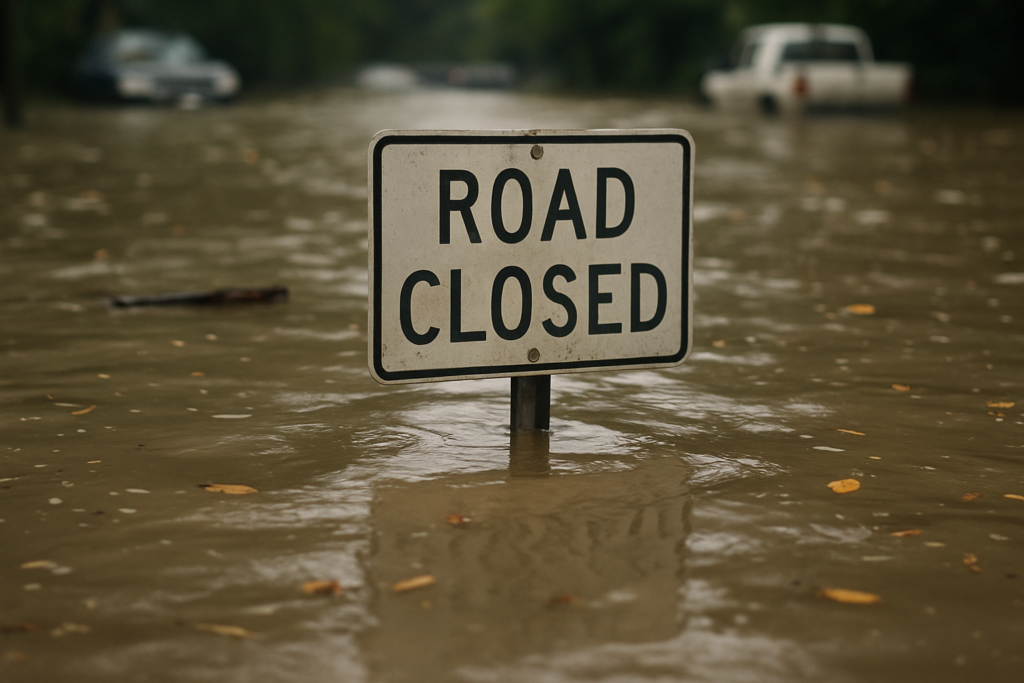
The weather has always had a flair for drama, but now it seems to have hired a publicist. Climate change is altering flood patterns in ways insurers, regulators, and homeowners can no longer shrug off. According to the U.S. Environmental Protection Agency, heavy precipitation events have increased in both frequency and intensity in many parts of the country. NOAA and federal climate data also show rising sea levels along the U.S. coastline, including Florida, which increases the reach of high-tide flooding and storm surge.
Post-2020, the trend has been hard to ignore. The U.S. recorded 28 separate billion-dollar weather and climate disasters in 2023, according to NOAA, one of the highest counts on record at the time. Florida keeps appearing in these summaries because hurricanes, extreme rainfall, and coastal exposure make a rather unpleasant cocktail. As of 2026, buyers who still treat flood insurance as optional because they are “not in a flood zone” are clinging to a very old script.
We researched current claim patterns and found that homeowners are seeing more losses from short-duration, high-intensity rain events. These storms can overwhelm drainage systems in hours. That matters because many people think flood means a slow river, biblical and scenic. In reality, a parking lot can become a flood source. A roadside ditch can become a flood source. A canal can become an enemy. When you purchase insurance in 2026, you should review updated flood maps, local drainage history, elevation, and prior claims. Climate patterns have changed faster than many policies have been explained to the people buying them.
What to Do When You Experience a Flood
Once water enters your home, the clock starts. Claims get stronger or weaker in the first to hours. Panic is understandable, but it is not a filing strategy. We recommend a simple sequence.
- Protect people first. Shut off power if safe, avoid standing water, and leave if the structure is unsafe.
- Document everything. Take wide photos, close-up photos, and video before cleanup. Capture water lines on walls, damaged furniture, warped floors, appliances, and exterior conditions.
- Stop further damage. Remove wet items when safe, use fans or mitigation services, and keep receipts.
- Notify the insurer quickly. Report the claim and ask what documentation they require.
- Create an inventory. List damaged items by room, age, brand, and estimated replacement cost.
- Call a public adjuster. Get independent help before you accept a low estimate.
This is where Otero Property Adjusting & Appraisals becomes useful in the practical, non-theoretical sense. Otero, based in Pensacola and serving homeowners across Florida, offers a free initial inspection and only gets paid when you do. If your property suffered hurricane damage, pipe leak damage, mold, roof leaks, or flood-related loss, having a licensed public adjuster review scope and pricing can change the outcome of your claim.
In our experience, homeowners often discard damaged materials too early or fail to photograph the exterior water source. That weakens causation proof. Contact Otero Property Adjusting & Appraisals, W Michigan Ave, Pensacola, FL 32526, (850) 285-0405, oteroadjusting.com. We recommend getting expert help before the carrier’s version of events becomes the only version in the file.
Understanding Your Insurance Policy: Key Terminology
The average insurance policy is written like it was drafted by a committee of cautious ghosts, but there are a few terms you need to know cold. If you understand these, you are less likely to be underinsured or blindsided.
- Deductible: the amount you pay before coverage kicks in. A flood deductible of $5,000 means the first $5,000 of covered loss is yours.
- Coverage limit: the maximum the policy will pay. If your building limit is $250,000 and the damage is $330,000, that gap is on you.
- Exclusions: losses the policy does not cover. These are the trapdoors.
- Actual Cash Value (ACV): replacement cost minus depreciation.
- Replacement Cost Value (RCV): the amount to replace property with like kind and quality, subject to policy rules.
A simple misunderstanding can lead to major underinsurance. Say your home needs $380,000 to rebuild, but your flood building coverage is capped at $250,000. Or your contents are worth $140,000, but you bought $60,000 because the premium looked friendlier. Those numbers are not rare. According to FEMA and industry sources, many policyholders carry less than full replacement value, especially for contents.
We analyzed claim disputes where owners thought “water damage” and “flood damage” were interchangeable. They are not. A pipe break may trigger one coverage. Rising water from outside may trigger another or none at all without flood insurance. Review the declarations page, endorsements, exclusions, waiting periods, and loss settlement language. If any term seems fuzzy, ask questions before storm season. Insurance is one of those subjects where confusion is expensive and confidence is often misplaced.
People Also Ask: What events are considered floods by insurers? Common Questions About Flood Insurance
These are the questions people usually ask after a storm warning, after a closing, or after seeing water creep under the back door with the confidence of a tax auditor.
Does homeowners insurance cover flood damage? Usually no. Standard homeowners insurance generally excludes damage from rising water, storm surge, and surface water. You usually need separate flood insurance.
What should you know before a flood occurs? Know your flood zone, your deductible, your waiting period, and your limits. Many flood policies have a waiting period, often 30 days for NFIP policies, so buying it when a storm is already in the forecast is often too late.
How do you read flood zone maps? Use FEMA’s Map Service Center to find your property and identify the flood zone. Zones beginning with A or V often indicate higher risk, with V zones tied to coastal hazards and wave action. A lender may require coverage in some zones, but voluntary coverage still makes sense outside them because flood losses often occur in moderate- or low-risk areas too.
What events are considered floods by insurers? In general, events such as storm surge, river overflow, flash flooding, and rapid surface water accumulation can qualify if they meet policy wording. A backed-up drain or leaking roof may not. That is why the source of water matters as much as the damage itself.
Case Studies: Real-World Examples of Flood Claims
Claims become easier to understand when you see how they behave in real life, which is to say badly at first, then better if someone competent intervenes.
Case 1: Storm surge versus wind-driven rain. A Panhandle homeowner had first-floor water intrusion after a hurricane. The carrier focused on flood exclusion under the homeowners policy and undervalued interior damage. A separate review identified roof damage from wind, window seal failures, and flood-related first-floor losses. The claim required careful separation of causes. With public adjuster support, the homeowner recovered under the applicable policy sections instead of accepting a single, reduced narrative.
Case 2: Flash flooding from intense rainfall. An inland Florida home took in water after a drainage ditch overflowed during a short but severe rain event. The owner assumed the damage was “just water damage” and nearly filed it under the wrong coverage. Based on our research, this is common after sudden summer storms. Proper documentation of exterior runoff patterns, road overflow, and municipal drainage backup helped show the event fit flood criteria.
Case 3: Contents dispute after basement-like lower-level damage. A policyholder expected payment for finished surfaces and stored electronics in a lower enclosed area. The policy covered some building elements but excluded many personal items in that space. This is where knowledgeable representation matters. Public adjusters know how to document what is covered, challenge under-scoping, and explain exclusions before the policyholder signs away options. We found that representation often improves organization, valuation, and negotiation leverage, especially in complex Florida losses involving mixed water sources.
How to Choose the Right Flood Insurance Policy
Choosing a flood policy should feel less like buying a mystery box and more like buying a roof before rain starts. Start with risk, then work outward.
- Check your flood zone. Use FEMA maps, but do not stop there. Review local flood history, drainage issues, and neighbor experience.
- Estimate rebuilding cost. The home’s market value is not the same as reconstruction cost. Get a realistic figure.
- Value your contents. Walk room by room and total furniture, electronics, clothing, and appliances. Most people underestimate badly.
- Compare NFIP and private policies. Private options may offer higher limits or added benefits, but wording varies.
- Review deductibles and exclusions. Lower premiums can hide high out-of-pocket exposure.
- Ask about waiting periods. Timing matters in hurricane-prone Florida.
According to FEMA and industry guidance, many homeowners outside mandatory zones still face meaningful flood risk. The Forbes Advisor flood insurance analysis has also noted that flood coverage costs and benefits vary significantly by location, property type, and insurer. That means comparison shopping needs more than a quick glance at price.
We recommend working with a knowledgeable public adjuster or insurance professional before and after you buy. Otero Property Adjusting & Appraisals can help you understand practical claim exposure, not just policy labels. If you are in Florida, that matters. A policy is only “good” if it responds the way you think it will when your floors start floating like bad ideas.
Taking Action After Learning About Floods
You now know the answer to What events are considered floods by insurers?, and that knowledge is only useful if you act on it before the next storm wanders in. Review your current policies today. Check whether you have separate flood insurance, what your deductibles are, how much building and contents coverage you carry, and which exclusions could leave you exposed. If you live in Florida, pay close attention to storm surge, flash flood, and surface water risk, even if your property is outside a high-risk mapped zone.
Based on our analysis, the most expensive mistakes are usually quiet ones made in advance: buying too little coverage, assuming homeowners insurance covers flood, waiting too long to document loss, or trusting the first estimate without question. We found that homeowners who organize photos, inventories, receipts, and policy documents early are in a much better position when a claim turns difficult.
If you have damage now or want help reviewing a claim, contact Otero Property Adjusting & Appraisals for a free inspection. They serve homeowners across Florida from 3105 W Michigan Ave, Pensacola, FL 32526. Call (850) 285-0405 or visit oteroadjusting.com. Otero works as your advocate and only gets paid when you do. That is a useful arrangement in a field where the water recedes, but the argument often stays behind.
FAQ Section
The questions below cover the most common issues homeowners raise before and after a flood claim.

Frequently Asked Questions
What qualifies as a flood for insurance purposes?
For insurance purposes, a flood usually means a temporary condition where normally dry land is covered by water or mudflow, and the water affects at least two properties or at least two acres. That definition comes from the National Flood Insurance Program. In plain English, if water creeps in from the outside and behaves like a public nuisance rather than a private plumbing tantrum, insurers are more likely to call it a flood.
Are all floods covered by my homeowners insurance?
Usually no. Standard homeowners insurance policies generally cover certain sudden water damage events inside the home, such as a burst pipe, but they usually exclude flood damage caused by rising water, storm surge, overflow, or surface water. That is why so many Florida homeowners ask, “What events are considered floods by insurers?” only after they have soggy drywall and a denied claim.
What should I do if my claim is denied?
Start by requesting the denial letter in writing and compare the reason for denial against your policy language. Then gather photos, repair estimates, moisture reports, and proof of loss, and consider speaking with a licensed public adjuster. We recommend contacting Otero Property Adjusting & Appraisals to review the claim and policy before you give up.
How can I prepare for a flood?
Create a home inventory, elevate key systems when possible, store records in the cloud, and know your flood zone before hurricane season. FEMA map tools and local county records can help you understand your risk. You should also review your deductibles and waiting periods before a storm is named.
Is there a difference between flood insurance and water damage insurance?
Yes. Flood insurance is a separate policy that covers damage from rising water, overflow, storm surge, and similar outside water events. Water damage insurance under a homeowners policy usually refers to certain internal, sudden, and accidental water losses, such as a broken pipe or appliance overflow, subject to exclusions.
Key Takeaways
- A flood usually means rising or accumulating water from outside that affects normally dry land, often under the NFIP two-properties-or-two-acres standard.
- Standard homeowners insurance usually does not cover flood damage, so Florida homeowners should review separate flood coverage, limits, deductibles, and exclusions now.
- Storm surge, river overflow, flash flooding, and surface water intrusion are common insured flood events, but pipe leaks and sewer backups may fall under different rules.
- Fast documentation matters: photograph everything, prevent further damage, save receipts, and get expert claim support early.
- Otero Property Adjusting & Appraisals offers free inspections for Florida homeowners and can help review, document, and negotiate flood-related property claims.