
Introduction: Understanding Flood Policies
Flooding can happen when you least expect it. In fact, according to the FEMA, nearly 40% of all flood insurance claims come from areas that are not considered high-risk. This statistic alone highlights the importance of understanding flood policies, especially if you live in Florida, where hurricanes and heavy rains are common. Knowing which losses are covered by a flood policy is crucial for homeowners to avoid unpleasant surprises when disaster strikes.
Otero Property Adjusting & Appraisals serves as a valuable resource in navigating these complex policies. Our expertise and commitment to helping Florida homeowners secure their rightful compensation ensures that you’re not left out in the rain—literally.
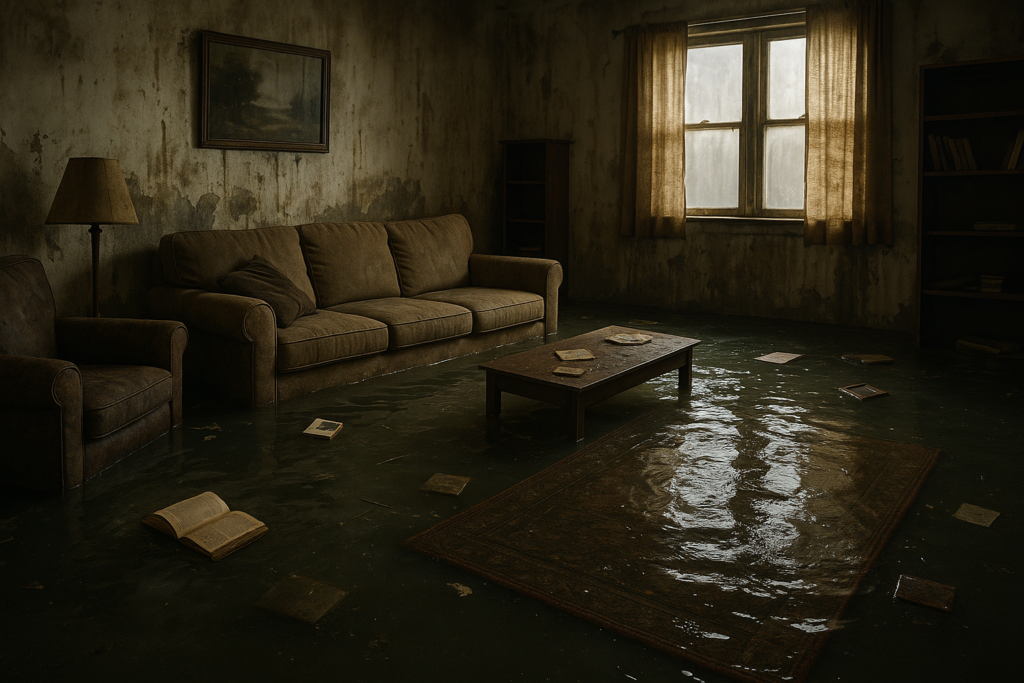

What is a Flood Policy?
A flood policy is a specialized insurance product designed to protect property owners from losses due to flooding. It’s essential to differentiate flood insurance from regular homeowner’s insurance, which typically does not cover flood damage. In fact, studies show that over 85% of standard home insurance policies explicitly exclude flood-related damages.
Flood insurance is primarily managed under the National Flood Insurance Program (NFIP), which provides coverage to property owners in participating communities. The NFIP was established to reduce the impact of flooding on private and public structures. As of 2026, nearly million policies have been issued under this program, demonstrating its significance in safeguarding homes against flood risks.
Common Losses Covered by Flood Policies
When assessing flood insurance, it’s vital to understand the common losses covered. Typically, flood policies reimburse for structural damage to the building itself, including the foundation, walls, and roof. Personal property damage is also covered, ranging from your furniture to essential appliances.
According to the National Flood Insurance Program, structural damage accounts for about 75% of all flood insurance claims, while personal property loss comprises the remaining 25%. For example, if a flood causes a significant amount of water to enter your home, you might file a claim for damaged flooring and furniture.
We found that the average claim for structural damage is around $30,000, underscoring the importance of having adequate flood coverage. Furthermore, a study revealed that homeowners who don’t invest in flood insurance are at a severe financial risk, especially after a disaster.
Which of the Following Losses Would Be Covered by a Flood Policy?
When determining which losses are covered by a flood policy, consider this checklist:
- Structural damage to your home (walls, roof, foundation)
- Personal property (furniture, appliances, clothing)
- Electrical and plumbing systems
- Permanent fixtures like cabinets
Examining case studies can provide further clarity. For instance, one homeowner in Florida faced significant water damage after heavy rains. Their flood policy covered the cost of repairing their damaged foundation, totaling around $35,000, as well as personal property losses of $10,000.
It’s essential to review these specifics to ensure you’re adequately covered under your flood policy.
Losses Not Covered by Flood Policies
While flood policies offer considerable coverage, some losses are commonly excluded. For instance, damage to basement contents, including furniture and appliances, is typically not covered. Additionally, costs related to temporary housing while your home is being repaired are often excluded unless specified in your policy.
Why are these losses excluded? Insurance companies usually consider basement contents high-risk items due to their susceptibility to water damage. As a result, homeowners often find themselves surprised when they learn that these items aren’t included.
For example, a family might assume their flood policy covers their basement television, only to discover, upon filing a claim, that it does not. Understanding these exclusions can help you plan better and avoid unexpected expenses.
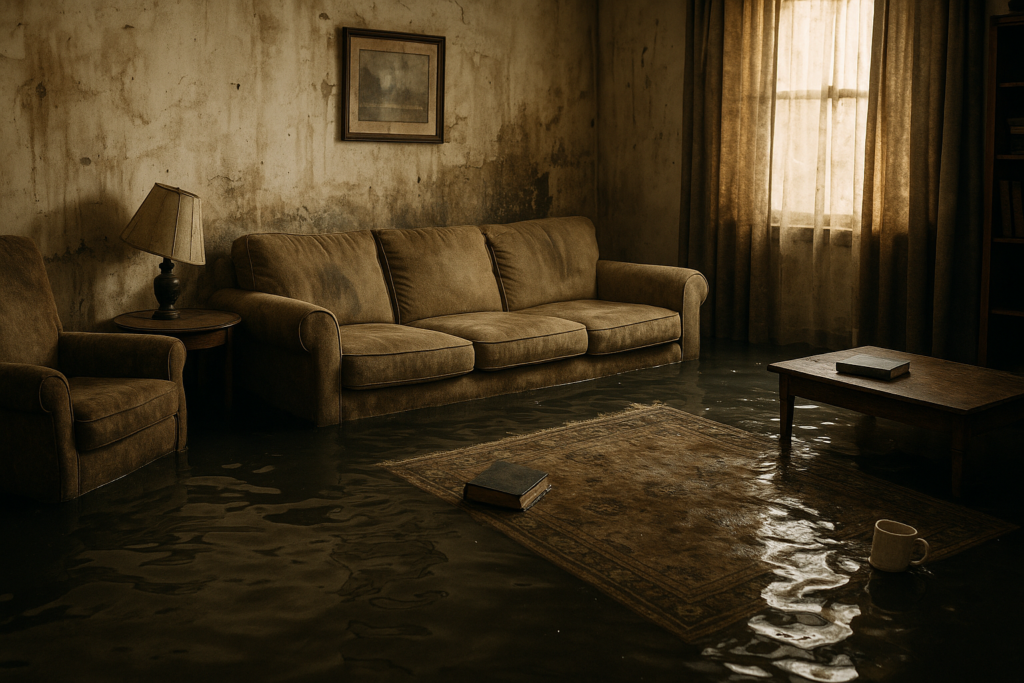
How to Determine If You Have the Right Coverage
Reviewing your flood insurance policy is crucial to ensure you have the right coverage. Start by checking the declarations page, which outlines the specifics of your policy, including coverage limits and exclusions.
Next, consider consulting with a public adjuster, like those at Otero Property Adjusting & Appraisals, who can provide expert insights and assistance in assessing your coverage. We recommend reaching out to our team for a thorough inspection of your policy and property. Our initial inspections are free, without any obligation.
In our experience, many homeowners are underinsured or unaware of the true extent of their coverage. Taking proactive steps now can save you from future headaches.
People Also Ask: Common Queries
Here are some common questions related to flood insurance:
- Does flood insurance cover mold? Flood insurance typically does not cover mold damage unless it directly results from a flood. Prompt action is essential to prevent mold growth.
- What is the waiting period for flood insurance? The waiting period for flood insurance policies is usually days from the purchase date.
- What does flood insurance cover? Flood insurance covers structural damage and personal property damage caused by flooding.
- Does flood insurance cover temporary housing? Yes, flood insurance can cover temporary housing costs if your home is uninhabitable due to flood damage.
- Is flood insurance mandatory? Flood insurance is typically mandatory for homeowners in high-risk flood zones, but it is recommended for all homeowners.
Navigating Claims: The Role of a Public Adjuster
Navigating the claims process can be daunting, but public adjusters play a vital role in assisting homeowners. These professionals help you file claims accurately and advocate for your interests with the insurance company.
At Otero Property Adjusting & Appraisals, we have a proven track record of securing fair settlements for our clients. Our team understands the intricacies of flood insurance policies and can help you maximize your claim. For example, we’ve assisted clients in receiving settlements significantly higher than their initial offers from insurance companies.
Hiring a public adjuster not only saves you time but also increases your chances of a successful claim. We work tirelessly to ensure you receive everything you’re entitled to under your policy.
Understanding the Claims Process
Filing a flood claim involves several steps. First, report the damage to your insurance company as soon as possible. Next, document all damage thoroughly, including taking photos and keeping receipts for repairs.
Timeliness is crucial when filing a claim. The sooner you file, the better your chances of a smooth process. We recommend keeping a detailed log of all communications with your insurer.
In our experience, homeowners who meticulously document their damage and maintain clear communication with their insurance companies tend to have more positive outcomes.
New Developments in Flood Insurance for 2026
As we move into 2026, several important changes in flood insurance regulations are occurring. The NFIP is undergoing reforms aimed at making flood insurance more accessible and affordable for homeowners across the nation. One significant change is the updated pricing methodology that will reflect the actual flood risk of properties more accurately.
This means homeowners may see changes in their premiums, which could either increase or decrease based on their risk profile. Staying informed about these changes is essential, as they can have a direct impact on your coverage and financial planning.
Homeowners should regularly review their policies and be aware of any updates to ensure they maintain adequate protection against flood risks.
Taking Action After a Flood Loss
Understanding which losses are covered by a flood policy can empower homeowners to take proactive steps in the aftermath of a flood. Review your policy, consult with a public adjuster, and document everything. These steps are essential to ensure you receive the compensation you deserve.
If you’re unsure about your coverage or need assistance with a claim, don’t hesitate to contact Otero Property Adjusting & Appraisals. Our team is ready to help you navigate the complexities of flood insurance and claims.
Remember, we offer free inspections with no hidden fees, so there’s no reason to wait. Contact us at (850) 285-0405 or visit our website at Otero Property Adjusting & Appraisals. We’re here to support you every step of the way.

Frequently Asked Questions
Does flood insurance cover mold?
Flood insurance typically does not cover mold damage unless the mold is a direct result of a flood. In general, mold can develop if water is left standing for an extended period, which may not be covered by a flood policy unless it was caused by a flood event. Homeowners should take prompt action to prevent mold growth after a flood.
What is the waiting period for flood insurance?
The waiting period for flood insurance policies is usually days from the date of purchase. This means that if you buy your policy today, it won’t take effect until days later. It’s crucial to plan ahead if you live in a flood-prone area.
What does flood insurance cover?
Flood insurance typically covers structural damage to your home and personal property damage, such as furniture and appliances. However, it does not cover damages from sewer backups unless you have a separate endorsement.
Does flood insurance cover temporary housing?
Yes, flood insurance can cover temporary housing costs if your home is uninhabitable due to flood damage. However, there are limits to this coverage, so checking your specific policy details is essential.
Is flood insurance mandatory?
Not all homeowners are required to have flood insurance, but if you live in a high-risk flood zone, your mortgage lender may require it. Even if you live in a low-risk area, flood insurance is still recommended since flood damage can occur anywhere.
Key Takeaways
- A flood policy specifically protects against losses due to flooding, separate from standard homeowner’s insurance.
- Common covered losses include structural damage and personal property, but be aware of exclusions like basement contents.
- Consulting with a public adjuster can help ensure you have the right coverage and maximize your claims.