
What does flood insurance not cover in FEMA? The Ultimate Guide
Meta Description: Discover what flood insurance does not cover in FEMA. Learn key exclusions, common pitfalls, and how Otero Property Adjusting can help navigate your claims.

Introduction
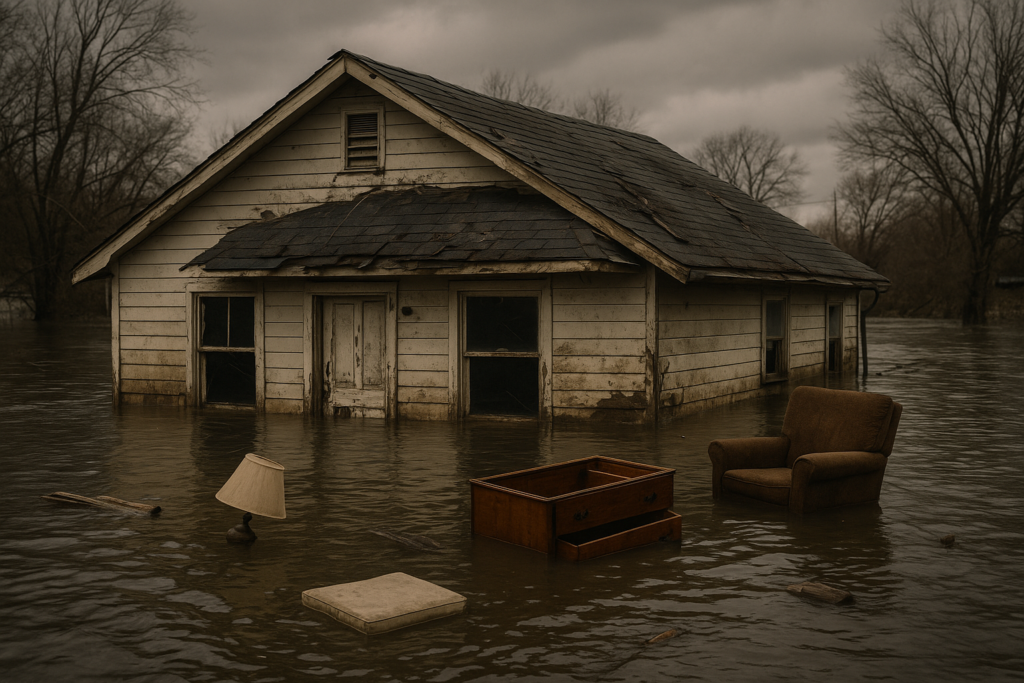
A flood can turn your house into a wet filing cabinet in a matter of hours, and the cruel part is this: the policy you counted on may leave whole chunks of damage sitting there unpaid. If you searched What does flood insurance not cover in FEMA? you are asking the right question, and probably a little later than you wanted.
Flood insurance matters because standard homeowners insurance usually does not cover flood damage. That detail has ruined many otherwise decent afternoons. FEMA, through the National Flood Insurance Program, sets the rules for most federal flood policies in the United States, and those rules are strict, specific, and sometimes surprisingly stingy.
Based on our research, the biggest problem is not that people skip flood insurance altogether. It is that they buy it and assume it covers everything touched by dirty water. It doesn’t. We found that many claims disputes start with three misunderstandings: what counts as a covered flood event, what property is excluded, and how payment limits work after the water goes down and the smell moves in.
As of 2026, more homeowners in Florida are asking harder questions about policy language, deductibles, and denied items. That is wise. According to FEMA, just one inch of floodwater can cause about $25,000 in damage. The National Interagency Fire Center is not relevant here, which is exactly the sort of confusion a stressed homeowner can have after a disaster. Flood policies are their own animal, and a fairly moody one. What follows clears up what FEMA flood insurance covers, what it leaves out, and where Otero Property Adjusting & Appraisals can help if your claim turns into a wrestling match.
Understanding FEMA Flood Insurance
FEMA flood insurance usually comes through the National Flood Insurance Program (NFIP), which Congress created in 1968. The idea was simple enough: private insurers were reluctant to take on widespread flood risk, so the federal government stepped in with a program that communities could join if they adopted floodplain management rules. It sounds tidy. Then real life arrived wearing waders.
The NFIP makes flood coverage available in participating communities, and that includes thousands of towns and counties across the country. According to FEMA, more than 22,000 communities participate in the program. The program covers both homeowners and renters, as well as some businesses, but it does so using standard forms and hard caps. There is very little room for sentiment, and none at all for wishful thinking.
Flood risk is also far wider than most people think. FEMA states that about 99% of U.S. counties have experienced a flooding event. A analysis by the First Street Foundation found that millions of properties face substantial flood risk beyond what older maps may suggest. In our experience, Florida homeowners often assume danger begins and ends with named storms, but heavy rain, storm surge, overflowing canals, and drainage failures can all play a role in flood losses.
Here is how FEMA flood insurance generally works:
- You buy a policy through an insurance agent, often backed by the NFIP.
- A 30-day waiting period usually applies before coverage starts, unless a narrow exception applies.
- You choose building and contents coverage separately.
- Your payout depends on policy limits, exclusions, deductibles, and proof of covered damage.
We analyzed common NFIP claim disputes and found that confusion often starts before the flood itself. People buy limits that are too low, skip contents coverage, or never ask what does flood insurance not cover in FEMA until the adjuster is standing in the kitchen with a clipboard and a facial expression that suggests moderate disappointment.
What Does Flood Insurance Cover?
Before you can understand what does flood insurance not cover in FEMA, you need the other half of the picture. NFIP flood insurance does cover a defined set of direct physical losses caused by a flood event. A flood, for policy purposes, usually means an excess of water on normally dry land affecting at least two properties or two acres. It is a technical definition, and yes, it has all the warmth of a parking ticket.
Building property coverage typically applies to the structure itself. That can include:
- Foundation walls and anchorage systems
- Electrical and plumbing systems
- Central air equipment, furnaces, and water heaters
- Refrigerators, stoves, and built-in appliances
- Permanently installed carpeting over unfinished floors
- Fuel tanks, well water tanks, pumps, and solar energy equipment in some cases
Personal property coverage, if you bought it, can cover items such as clothing, furniture, curtains, portable appliances, washers, dryers, and some electronics. But this is where the limits matter. Under standard NFIP residential rules, building coverage for a single-family home is generally capped at $250,000, while contents coverage is generally capped at $100,000. According to FloodSmart.gov, these caps often leave higher-value homes underinsured, especially after construction costs rose sharply between and 2026.
Coverage can also apply to cleanup-related basics. The policy may pay for debris removal, and it may cover measures taken to protect insured property from further flood damage. We found that many homeowners miss these details because they focus only on walls and floors.
A practical example helps. If floodwater enters your Florida home after storm surge and damages your electrical panel, drywall, water heater, and insured furniture, those items may be covered up to policy limits. If the same event also kills your rose garden, warps your deck, and sends you to a hotel for three weeks, the answer to What does flood insurance not cover in FEMA? becomes painfully relevant.
What Does Flood Insurance Not Cover in FEMA?
This is the section most people wish they had read before the loss. What does flood insurance not cover in FEMA? Quite a lot, actually, and the exclusions are not small decorative footnotes. They are the meat of many denied or underpaid claims.
Common FEMA flood insurance exclusions include:
- Temporary housing and living expenses such as hotel stays, meals, and transportation
- Cars and most self-propelled vehicles
- Landscaping, trees, plants, lawns, decks, patios, fences, pools, and hot tubs
- Currency, precious metals, and valuable papers
- Most basement contents and improvements beyond limited essential items
- Business interruption and lost income
- Mold, mildew, or moisture damage that could have been avoided by the owner
Basements are where many expectations go to die. FEMA may cover certain basement equipment, such as a furnace, water heater, electrical panel, or fuel tank. It usually does not cover finished walls, carpeting, paneling, bookcases, or personal belongings stored there. If you built a cheerful basement family room with a sectional sofa, shelves of photo albums, and an expensive television, the policy may look at it the way a strict aunt looks at a tattoo: with no intention of paying for it.
There are also limitations in high-risk or repetitive-loss areas, and policyholders may face stricter underwriting or higher premiums under Risk Rating 2.0. FEMA data and industry reporting have shown that premium changes affected many U.S. households after this pricing approach rolled out. In Florida, where storms and storm surge are old acquaintances, that matters.
Claims are often denied because the damage falls outside coverage. Example: floodwater reaches a yard and destroys sod, palm trees, and a dock. The homeowner assumes all visible damage counts. It does not. Another example: a basement flood ruins drywall, a home gym, and a freezer full of food. The homeowner files for all of it, only to learn the freezer itself may be treated differently than the food inside, and the finished basement materials may be excluded.
Based on our analysis, the answer to what does flood insurance not cover in FEMA is best remembered this way: if the item is outside, below grade, avoidable through maintenance, or indirect rather than direct physical loss, your odds of trouble go up fast.
Flood Insurance Exclusions: A Deeper Dive
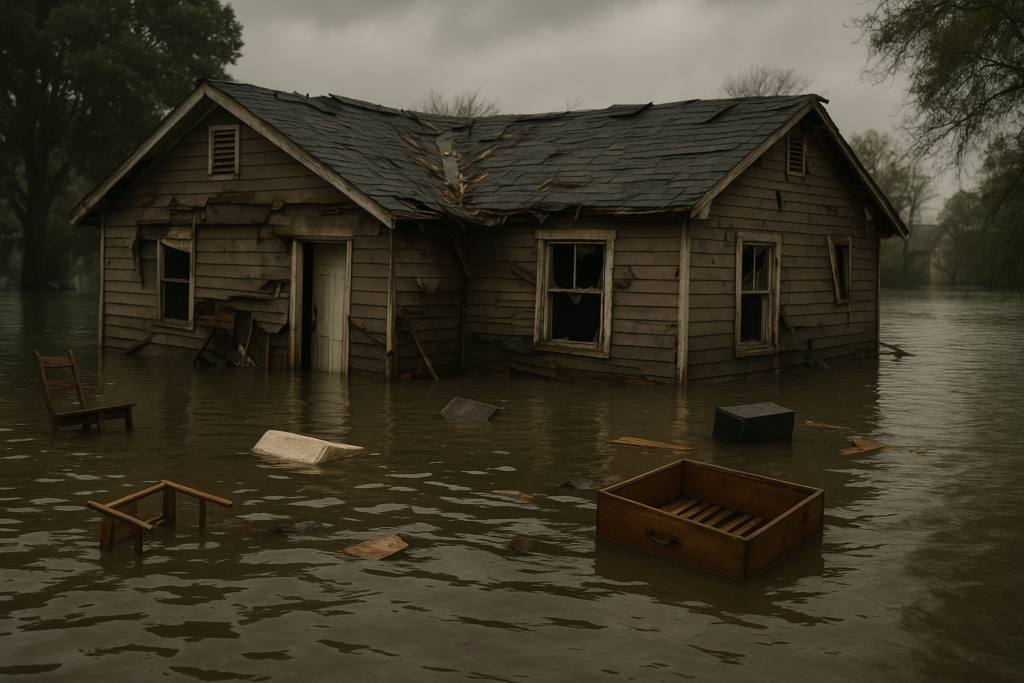
The devil in FEMA flood insurance is rarely dressed like a devil. He is more often dressed like a sentence on page of a policy booklet. If you are still asking what does flood insurance not cover in FEMA, this is where the details become useful in the least festive way possible.
Scenario 1: Basement finish-out loss. A homeowner in Florida uses a lower-level space as a guest room with laminate flooring, drywall, built-in shelving, and upholstered chairs. A flood event damages everything. The policy may pay for cleanup and some essential mechanical systems, but not the finished surfaces and comforts that made the room livable. We have seen this surprise people who were otherwise sharp enough to compare mortgage rates down to the decimal.
Scenario 2: Mold after delayed mitigation. Floodwater enters a home, but the owner waits several days to remove wet materials and dry the structure. Mold spreads. According to the CDC, mold can begin growing within 24 to hours on damp materials. FEMA policies often exclude mold damage that the insured could have prevented. We recommend immediate drying, photos, and receipts for mitigation work for this reason alone.
Scenario 3: Outdoor upgrades. A homeowner loses a fence, pavers, a sprinkler system, and landscaping after a surge event. The homeowner files the claim assuming the policy covers everything the water touched. It does not. Outdoor features are a common dead end.
How can you manage expectations before a loss?
- Read the declarations page and exclusions before storm season.
- Confirm whether you bought contents coverage. Many people did not.
- Photograph the home and major belongings once a year.
- Store receipts and serial numbers digitally.
- Ask a public adjuster or agent to explain basement and mold limits.
In our experience, denied claims often stem from assumptions, not dishonesty. The policyholder thinks flood means water equals payment. The policy says flood means water plus definitions plus exclusions plus deadlines. Those extra words are where the fight begins.
People Also Ask: Common Questions About Flood Insurance
Homeowners tend to ask the same questions after a flood, and for good reason. The language is technical, the deadlines are short, and the kitchen table has now become a drying rack for every document you own.
What types of flooding are covered by FEMA? FEMA-backed flood insurance generally covers direct physical loss caused by a qualifying flood event, such as storm surge, overflow of inland or tidal waters, rapid accumulation of surface water, or mudflow as defined by the policy. It does not cover every form of water intrusion. A pipe leak inside the home is usually a homeowners insurance issue, not an NFIP flood claim.
How can you protect yourself against uncovered damages? Start with a gap review. We recommend three steps: read your flood policy, compare limits to rebuilding costs, and ask about private flood options for additional living expenses or higher contents limits. According to NOAA, the U.S. has seen a rising number of billion-dollar weather and climate disasters over the past decade, which means hidden coverage gaps are getting more expensive, not less.
What is the appeal process for denied claims? Under FEMA procedures, you generally need to review the denial, gather evidence, and submit a written appeal within the applicable deadline. That may include estimates, contractor reports, photographs, and a clear explanation of why the policy should respond. Based on our research, claims succeed more often when the insured matches every disputed item to policy language instead of writing a general letter saying the whole thing feels unfair, even if it does.
And yes, people still ask: What does flood insurance not cover in FEMA? The short answer is indirect losses, many basement finishes, outdoor property, temporary housing, and preventable mold. The long answer is this whole article, which is less exciting than a thriller but far more useful after a storm.
Additional Coverage Options: What You Might Consider
If the answer to what does flood insurance not cover in FEMA has made you stare into middle distance, there is a reason. The standard NFIP policy has real gaps, and many Florida homeowners need more than it offers. A federal policy is a foundation, not always the whole house.
Private flood insurance is one option worth reviewing. Some private carriers offer higher limits than the NFIP cap of $250,000 for the building and $100,000 for contents. Some also include features the NFIP usually does not, such as additional living expenses, replacement cost on contents in some cases, or broader coverage for basements and detached structures. Terms vary, and that phrase does a lot of heavy lifting, so you need to compare line by line.
We analyzed policy options for coastal and inland Florida properties and found that private flood insurance can be especially useful for:
- Higher-value homes with rebuilding costs above NFIP caps
- Owners with finished lower levels or expensive contents
- People who need coverage for temporary relocation after a flood
- Property owners who want shorter waiting periods where available
There are also endorsements and companion policies to consider. Depending on the insurer, you may need separate protection for sewer backup, valuables, or business property. If you operate a home-based business, lost income after a flood can be a glaring hole.
As of 2026, review your policy every year. Construction costs, premium models, and flood maps change. The Forbes Advisor and FEMA both note that many households discover underinsurance only after filing a claim, which is a terrible time for self-discovery. We recommend a yearly review with an insurance professional or public adjuster who understands Florida claims and can explain what does flood insurance not cover in FEMA before the next storm does it for you.
Understanding the Claims Process
Once the water recedes, the claims process begins, and this is where panic can make a person do unhelpful things, such as throw away damaged items too early or speak in broad, exhausted guesses. A flood claim works better with order, dates, and photographs. It is not glamorous, but neither is arguing over a warped water heater six weeks later.
Here are the basic steps after a flood:
- Protect safety first. Turn off electricity if safe, avoid standing water, and watch for structural hazards.
- Notify your insurer promptly. Report the flood loss and ask what documents are needed.
- Document everything. Take wide and close photos, make room-by-room lists, and save receipts.
- Start reasonable mitigation. Dry the property, remove wet materials where appropriate, and prevent further damage.
- Meet the adjuster. Walk the property carefully and point out all visible damage.
- Submit proof of loss on time. Missing deadlines can damage an otherwise valid claim.
According to FEMA guidance, documentation matters because payment is tied to proof, not memory. In our experience, the strongest claims have dated photos, contractor notes, moisture readings, and itemized lists rather than a single estimate written in a rush. We found that homeowners who keep a digital home inventory often recover more cleanly because they can show ownership, age, and value without scrambling.
This is where Otero Property Adjusting & Appraisals can help. Based in Pensacola and serving homeowners across Florida, Otero acts as your negotiator with the insurance company. The team handles hurricane damage, water damage from pipe leaks, mold, roof leaks, and fire losses, and they offer a free initial inspection. They only get paid when you do. If your flood-related claim is delayed, underpaid, or denied in part, we recommend contacting Otero Property Adjusting & Appraisals, W Michigan Ave, Pensacola, FL 32526, at (850) 285-0405 or https://oteroadjusting.com/.
Gaps in Coverage: What FEMA Doesn’t Mention
Policies tell you many things, but they do not always announce their practical consequences in a voice you can hear over a dehumidifier. One of the quiet truths behind what does flood insurance not cover in FEMA is that the unpaid costs often arrive in clusters. You think you are missing one item, then discover you are missing six.
Consider these lesser-known gaps:
- Code upgrades may exceed what your flood policy pays.
- Matching issues for flooring or cabinetry may leave part of a room visibly patched.
- Debris and contamination cleanup can run beyond expected amounts.
- Loss of use is generally excluded, so hotel costs can come straight from your pocket.
- Detached structures or specialty items may have limited or no coverage depending on the policy form.
Repair costs are not small. The National Association of Home Builders and other construction sources have tracked significant material and labor increases since 2020. In plain terms, a cap that seemed adequate years ago can be badly thin by 2026. We found that this is one of the most painful realities for Florida homeowners: the policy limit is fixed, while rebuilding costs behave like they have had too much coffee.
Another surprise is contamination. Floodwater often carries sewage, chemicals, and debris. Cleanup is harder, slower, and costlier than drying a simple clean-water leak. If walls, insulation, flooring, and cabinetry must be removed and rebuilt to meet local standards, out-of-pocket costs can rise fast.
The best response is proactive. Review limits, document upgrades, elevate utilities where possible, keep contents off lower floors, and ask direct questions before renewal. We recommend making a written list titled, plainly enough, What does flood insurance not cover in FEMA? Then compare it to your actual property. That small act can prevent a large financial bruise.
Steps to Take if You’re Affected by Flooding
After a flood, your first job is safety. Your second job is creating a record so clear that even a tired adjuster on their fourth inspection of the day can follow it. People often reverse that order, or skip both, and then the claim gets messy in a way that feels personal though it usually is not.
Use this checklist right away:
- Make sure the home is safe to enter. Watch for electrical hazards, gas leaks, and structural damage.
- Call your flood insurer. Get the claim number and ask about deadlines.
- Photograph all rooms before major cleanup. Take floor lines, wall damage, appliances, furniture, and exterior shots.
- Separate damaged items by category. Building damage, contents damage, and items you believe may be excluded.
- Keep samples if materials must be removed. Save flooring pieces, drywall labels, and product information where possible.
- Track every expense. Pumps, fans, contractor visits, cleanup supplies, and disposal fees.
- Do not discard documents. Policies, receipts, prior renovation records, and maintenance records all help.
How do you work with a public adjuster during this stage? Bring them in early. Otero Property Adjusting & Appraisals can inspect the loss, identify covered and disputed items, organize your documentation, and communicate with the insurer on your behalf. In our experience, early involvement helps homeowners avoid two common mistakes: under-documenting damaged property and accepting the first scope of loss as if it came down from a mountain on stone tablets.
If you are in Florida and you suspect your flood claim leaves out structural damage, moisture issues, or contents that should be included, we recommend contacting Otero for a free inspection. They serve homeowners across the state and handle claims large and small. After a flood, calm records beat frantic memory every time.
Conclusion: Take Action Now
The plain answer to What does flood insurance not cover in FEMA? is this: more than many homeowners expect. Temporary housing, most basement finishes, landscaping, outdoor property, lost income, many valuable items, and preventable mold often sit outside the fence. The policy can still be useful. It just is not generous in the way people imagine while paying the premium.
Based on our research, three actions matter most. First, review your policy before storm season and check whether your limits match current rebuilding costs. Second, make a home inventory with photos, receipts, and serial numbers. Third, if you suffer flood damage and the claim feels short, delayed, or wrong, get expert help before deadlines pass.
For Florida homeowners, that help can come from Otero Property Adjusting & Appraisals. They offer free inspections, they work directly with policyholders, and they fight for the compensation you are entitled to under your policy. You can reach them at 3105 W Michigan Ave, Pensacola, FL 32526, call (850) 285-0405, or visit oteroadjusting.com.
A flood is bad enough. The paperwork should not get the last laugh.
Frequently Asked Questions (FAQs)
Quick answers help after a flood, especially when you are reading policy language that seems to have been written by someone who feared joy.

Frequently Asked Questions
What types of water damage are typically excluded?
FEMA-backed flood insurance usually excludes moisture or mold that you could have prevented, sewer backup unless it is directly caused by flooding, and temporary housing costs. It also does not cover cars, currency, outdoor property, or business interruption. If you are asking, “What does flood insurance not cover in FEMA?” these are some of the exclusions that surprise homeowners most often.
How can I appeal a denied flood insurance claim?
Start by reading the denial letter line by line and matching it against your Standard Flood Insurance Policy. Then gather photos, contractor estimates, receipts, proof of loss, and any expert reports that support your position. We recommend getting a public adjuster involved early, because missed deadlines can sink an appeal before the facts even get a seat at the table.
Are there state-specific regulations impacting flood insurance?
Yes. Flood insurance rules can interact with state insurance laws, building codes, and deadlines for property repairs or documentation. In Florida, local permitting rules, elevation requirements, and post-storm claim pressures can affect how smoothly your flood claim moves.
What is the average cost of flood insurance in Florida?
The cost varies by property, flood zone, elevation, and coverage amount. According to FEMA and industry reporting, many policyholders nationwide pay hundreds to more than $1,000 per year, while some higher-risk Florida homes pay much more under Risk Rating 2.0. A home a few blocks apart can have a very different premium, which is why we recommend a policy review before storm season.
How often should I review my flood insurance policy?
Review it at least once a year and after any renovation, purchase of expensive contents, or FEMA map update. As of 2026, changes in replacement cost, elevation data, and flood modeling can leave old coverage badly out of step with current risk. A yearly review is far cheaper than finding out too late that a major loss sits outside your policy.
Key Takeaways
- FEMA-backed flood insurance covers direct physical flood damage, but it often excludes temporary housing, landscaping, vehicles, lost income, and many basement finishes.
- NFIP policies have strict limits, commonly $250,000 for residential buildings and $100,000 for contents, which may be too low for many Florida homes in 2026.
- Preventable mold, delayed mitigation, and poor documentation are common reasons claims are reduced or disputed.
- Private flood insurance or supplemental coverage may fill important gaps such as additional living expenses or higher coverage limits.
- If your flood claim is delayed, underpaid, or denied, Otero Property Adjusting & Appraisals can provide a free inspection and help you negotiate with the insurer.