
Is property damage the same as collision? The Ultimate Guide
Meta Description: Discover the differences between property damage and collision in insurance. Learn how Otero Property Adjusting & Appraisals can help you navigate claims.

Introduction
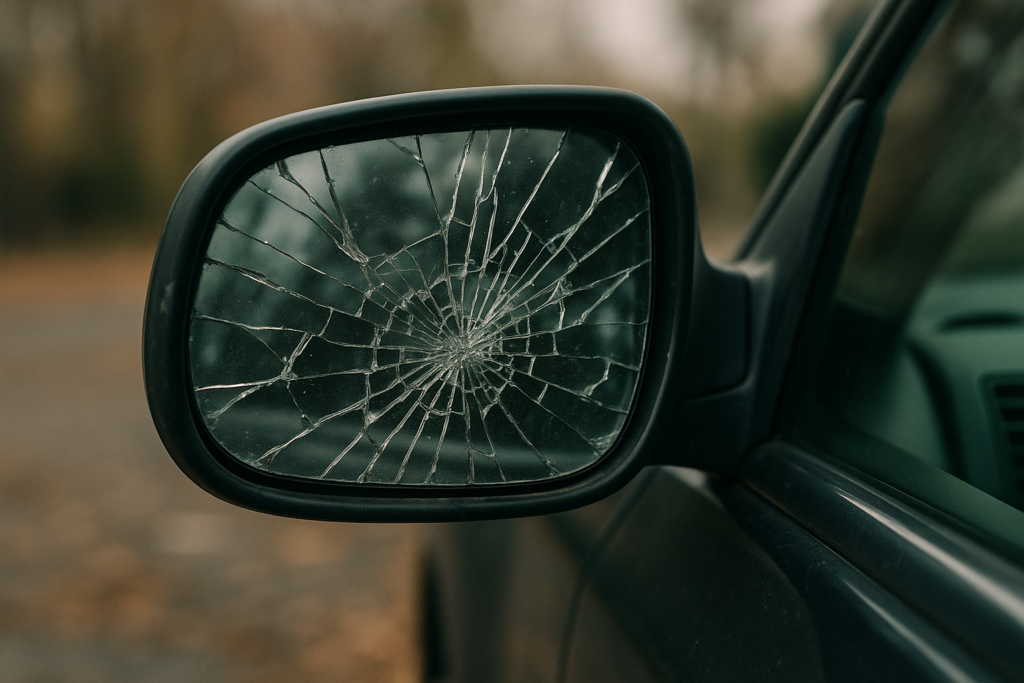
Is property damage the same as collision? Usually, no, and that small difference can cost you real money if you file the wrong claim or expect the wrong coverage to respond. Insurance has a way of taking ordinary words like damage and collision and dressing them up until they sound like cousins who no longer speak at Thanksgiving.
Property damage usually refers to damage you cause to someone else’s property, or damage to covered property under a property policy, depending on the policy type. Collision usually refers to damage to your own vehicle after it hits another vehicle or object. The distinction matters because deductibles, policy limits, fault rules, and claim handling all change based on which bucket the loss falls into.
In our experience, Florida policyholders get tripped up on this all the time, especially after storms, parking-lot accidents, and multi-vehicle crashes. According to the Insurance Information Institute, collision and property damage liability are separate auto coverages, and they serve different purposes. Florida also requires at least $10,000 in property damage liability coverage for drivers, according to Florida Highway Safety and Motor Vehicles.
This is where a public adjuster can become useful. If your home has roof leaks, water damage, mold, fire damage, or hurricane damage, a public adjuster works for you, not the insurance company. Otero Property Adjusting & Appraisals in Pensacola helps homeowners across Florida document damage, value losses, and push for fair payment. We found that people often call after a denial or underpayment, but the better move is earlier, before small mistakes grow teeth.
Understanding Property Damage
Property damage sounds broad because it is broad. In insurance terms, it usually means physical injury to tangible property. In auto insurance, that often means damage you cause to someone else’s car, fence, building, mailbox, garage door, or utility pole. In home insurance, property damage can mean covered damage to your dwelling, detached structures, and personal property from perils listed in the policy.
Examples help. If you back into your neighbor’s brick mailbox, that is property damage. If a kitchen fire scorches your cabinets and smoke stains the walls, that is property damage under a homeowners claim. If a pipe bursts and soaks drywall, flooring, and baseboards, that is property damage as well, though mold that appears later may be limited or excluded depending on policy wording.
Florida gives this subject extra drama. The state recorded over $5.7 billion in insured losses from severe convective storms in 2024, according to data summarized by NOAA and industry loss reporting. The Insurance Information Institute has also reported that wind and hail account for a large share of homeowners claims nationwide, often close to one in three claims in recent years. In Florida, water damage and wind damage are regular guests, and unlike relatives, they rarely call first.
Based on our research, the most common property damage claim problems come from three places:
- Poor documentation of the cause and scope of loss
- Late reporting after damage gets worse
- Confusion about exclusions, especially mold, wear and tear, and repeated seepage
For homeowners, the practical question is simple: what exactly was damaged, what caused it, and what does your policy say about that cause? Otero Property Adjusting & Appraisals helps answer those questions with a free inspection. That matters because insurers often focus on what is excluded, while you need someone proving what is covered.
What is Collision?
Collision coverage is narrower and more specific. It pays for damage to your vehicle when it collides with another vehicle or object, regardless of fault in many cases, subject to your deductible and policy terms. Think of it as the part of your policy that responds when your car meets something solid and the meeting goes poorly.
Common collision scenarios include:
- Hitting another car at an intersection
- Backing into a pole in a parking lot
- Sliding into a guardrail during heavy rain
- Striking a tree after swerving
- A single-car rollover accident
That differs from property damage liability, which generally pays for damage you cause to other people’s property. If you hit someone else’s parked car, your collision coverage may help repair your own car, while your property damage liability may pay for the other car. Same accident. Different coverages. Different claim paths. This is why people ask, Is property damage the same as collision? and why the answer stays stubbornly no.
According to the Insurance Information Institute, the average collision claim severity in the U.S. has climbed in recent years due to labor costs, parts prices, and vehicle technology. The average auto liability property damage claim was also in the thousands of dollars, and repair costs continue to rise. A repair estimate on a bumper, sensor, and camera setup can look less like a fender bender and more like a graduate school tuition bill.
We analyzed common Florida claims and found that collision losses often trigger premium concerns faster than people expect. Even a claim under $5,000 can affect renewal pricing depending on fault history, prior claims, and carrier rules. As of 2026, the spread of advanced driver-assistance systems has made even minor crashes more expensive to diagnose and repair. That means one misunderstanding about collision coverage can snowball fast.
Is Property Damage the Same as Collision? A Detailed Comparison
Is property damage the same as collision? No. They may appear in the same accident, but they are different categories with different legal meanings and different insurance functions. If you remember only one thing, remember this: collision usually covers your car; property damage liability usually covers the other person’s property.
Here is the simplest side-by-side view:
Property Damage Liability
- Pays for damage you cause to another person’s property
- Required in Florida at a minimum of $10,000
- Has no deductible in most cases for the claimant
- Depends heavily on fault
Collision Coverage
- Pays for damage to your own vehicle after a crash
- Usually optional unless required by a lender
- Usually includes a deductible
- Can apply even if you are at fault
The legal definitions matter. Florida insurance contracts use precise language, and one word can change the outcome of a claim. The state’s financial responsibility laws treat property damage liability as a required driver responsibility. Collision, by contrast, is a first-party physical damage coverage. That means the payment source, proof requirements, and settlement process differ from the start.
Based on our research, claim handling also differs in a very practical way. Property damage liability claims often involve investigating who caused the loss, whether the damage is consistent with the reported event, and whether policy limits are enough. Collision claims focus more on the vehicle’s value, repair cost, deductible, and whether the loss justifies repair or total loss treatment.
We recommend reading your declarations page and policy endorsements line by line. It is not glamorous. Neither is flossing, yet here we are. If you own a home, the confusion can multiply because the phrase property damage also appears in homeowners, commercial, and liability policies. That is one reason policyholders in Florida often call Otero Property Adjusting & Appraisals after the insurer uses language that sounds familiar but means something very specific.
Common Misunderstandings about Property Damage and Collision
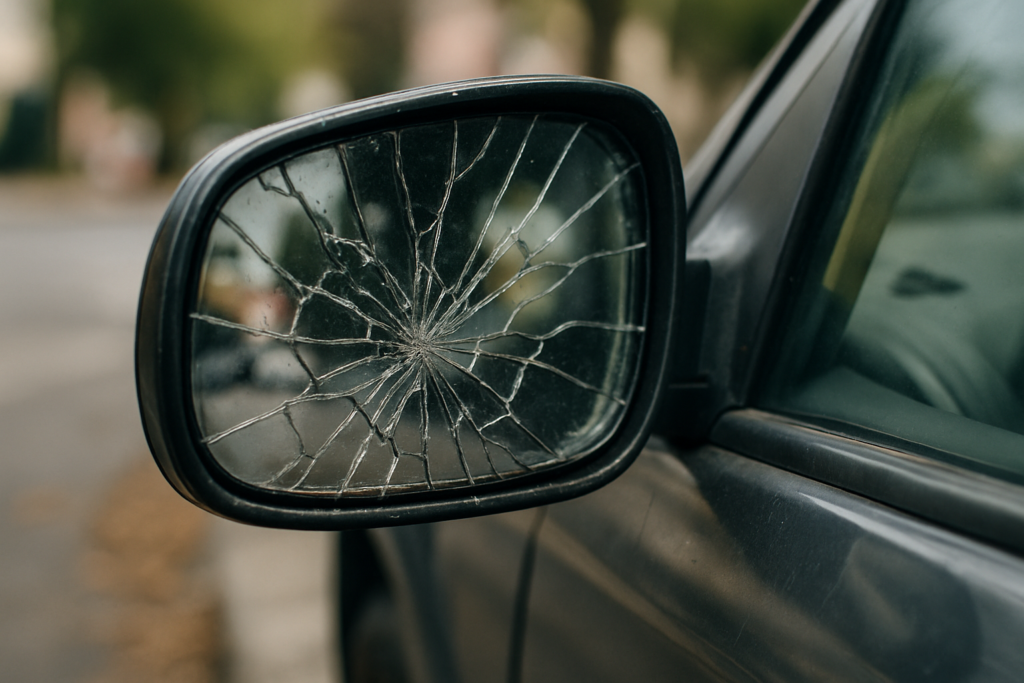
The biggest myth is that all physical damage is collision. It is not. If a tree branch falls on your parked car, that is usually comprehensive, not collision. If you hit your own garage door with your car, the damage to your car may be collision, while the garage damage may fall under a property claim. Insurance likes to divide one bad afternoon into several folders.
Another common misunderstanding is that Florida’s no-fault system covers everything after an accident. It does not. No-fault in Florida mainly applies to personal injury protection, not all vehicle damage. Property damage claims still turn on fault, policy language, and the available coverage limits. According to Forbes Advisor, Florida remains one of the more expensive states for auto insurance, and coverage gaps are a major reason drivers face out-of-pocket costs after accidents.
We found a repeated pattern in real-world claim disputes:
- A driver assumes the other insurer will handle all damage quickly.
- The carrier investigates fault for weeks.
- The repair estimate grows.
- The insured learns too late that collision coverage on their own policy could have sped up repairs.
Homeowners make parallel mistakes. A family notices a roof leak after a storm but waits three weeks, hoping a tarp and optimism will do the trick. Then interior staining spreads, insulation gets wet, and the insurer raises questions about mitigation. According to the CDC, mold can begin growing within 24 to hours in wet materials. That time window matters in Florida, where heat and humidity are practically part of the furniture.
To avoid misunderstandings, do three things right away:
- Ask which coverage applies, not just whether you are “covered”
- Photograph everything before cleanup or repair
- Get expert help early if the loss is large, delayed, or disputed
In our experience, confusion costs more than deductibles. It costs time, leverage, and sometimes proof.
The Role of Insurance Adjusters in Property Damage and Collision Claims
An insurance adjuster investigates a claim, reviews evidence, estimates the loss, and recommends payment. A company adjuster works for the insurance carrier. An independent adjuster may be hired by the carrier. A public adjuster works for you, the policyholder. That distinction matters the way an umbrella matters when the rain has already started.
Public adjusters are especially useful in property damage claims involving homes and businesses. They inspect the damage, prepare claim documentation, review policy terms, estimate repair scope, and negotiate with the insurer. If your home suffered hurricane damage, roof leaks, water intrusion from a pipe break, mold, or fire damage, the file can get complicated fast. Otero Property Adjusting & Appraisals, based at 3105 W Michigan Ave, Pensacola, FL 32526, helps Florida homeowners with exactly these issues. You can reach them at (850) 285-0405 or visit Otero Property Adjusting & Appraisals.
What makes Otero stand out? Their initial inspection is free. There is no obligation. They also work on a contingent basis, which means they only get paid when you do. We recommend this model for many homeowners because it lowers the risk of getting help early, before the claim hardens into a dispute.
Consider a common Florida example. A homeowner in the Panhandle notices ceiling stains after a wind-driven rain event. The insurer’s first estimate covers minor patching and paint. A public adjuster documents hidden moisture, damaged insulation, roof failure points, and code-related items. The revised claim value rises substantially because the full scope is finally documented. Based on our research, this is where many underpaid claims turn around: not with drama, but with evidence.
As of 2026, Florida homeowners are dealing with high premiums, tighter underwriting, and more scrutiny on water, roof, and storm claims. That makes professional claim presentation even more important. Otero works across Florida and handles claims big and small, from a minor kitchen fire to major hurricane damage.
People Also Ask: Is Property Damage the Same as Collision?
What types of damage are covered under property damage? In auto claims, property damage liability usually covers damage you cause to another person’s vehicle or other property, such as a fence, wall, storefront, or mailbox. In homeowners insurance, property damage can include covered damage to the structure, detached structures, and personal property, depending on the cause of loss.
How does collision coverage work in Florida? Collision coverage pays to repair or replace your car after it hits another car or object, subject to your deductible. Florida does not require every driver to carry collision, but lenders often do for financed vehicles. The coverage can apply even if you caused the crash.
Can property damage lead to collision claims? Yes. One accident can create both. If you rear-end another car, your policy may use collision for your own vehicle and property damage liability for the other driver’s vehicle.
What should you do after an accident regarding insurance claims? Call if needed, move to safety, photograph the scene, exchange information, and report the loss promptly. Then ask your insurer which coverage applies and whether you should use your own collision coverage while fault is investigated.
When should you hire a public adjuster? Hire one early if you have major home damage, a confusing denial, an underpayment, or a claim involving water, roof, hurricane, mold, or fire damage. In our experience, the earlier a public adjuster documents the loss, the stronger your position tends to be.
The Process of Filing a Claim
Filing a claim is one of those tasks people assume will be simple until they are standing in a wet hallway, holding a phone charger and a folder of receipts from 2019. A better plan helps. Whether the issue is auto-related property damage or a homeowners loss, the basic rhythm is the same: report fast, document thoroughly, and keep records as if you are preparing for a very boring trial.
Here is a practical step-by-step process for a property damage claim:
- Protect people first. If there is fire, active leaking, or unsafe wiring, get everyone safe and call emergency services if needed.
- Prevent more damage. Tarp the roof, shut off water, board openings, and save receipts for temporary repairs.
- Report the claim promptly. Most policies require prompt notice. Delay gives the insurer room to question causation.
- Document the scene. Take wide shots, close-ups, videos, and date-stamped notes. Photograph damaged contents before moving them.
- Create an inventory. List each damaged item, age, condition, and estimated replacement cost.
- Request a full copy of your policy. Do not rely on memory or the declarations page alone.
- Meet the adjuster prepared. Have photos, receipts, contractor estimates, and a timeline ready.
Common pitfalls include throwing damaged items away too soon, giving vague recorded statements, and accepting the first estimate without reviewing scope. According to the Federal Trade Commission, documenting damage and checking contractor credentials are key steps after a disaster. We analyzed disputed claims and found that missing photos, incomplete mitigation records, and no moisture documentation are frequent weak spots in Florida water-loss cases.
If the claim is large or disputed, call Otero Property Adjusting & Appraisals before the paper trail goes cold. That free inspection can help you avoid expensive mistakes.
Expert Recommendations for Homeowners
If you own a home in Florida, treat your insurance policy like a tool, not a decorative booklet that lives in a drawer with expired warranties and a single mysterious screw. You need to know your deductible, your coverage limits, your exclusions, and whether you have replacement cost or actual cash value for key items. We recommend a yearly policy review, especially before hurricane season and again after any major renovation.
Start with coverage choices. Make sure your dwelling limit reflects current rebuilding costs. Construction prices have stayed volatile, and labor shortages have not exactly become folklore. Check water damage language, roof endorsements, mold sublimits, ordinance or law coverage, and loss of use coverage. If you own a financed vehicle, confirm whether collision and comprehensive are required and whether the deductible is realistic for your budget.
Documentation matters more than people think. Use this simple system:
- Take room-by-room video twice a year
- Store receipts digitally in cloud storage
- Photograph upgrades like roofs, flooring, cabinets, and appliances
- Save maintenance records for plumbing, HVAC, and roof work
Regular inspections can prevent claims or strengthen them. Check under sinks, around water heaters, near AC lines, at roof penetrations, and in attic spaces. The FEMA recommends routine maintenance and mitigation steps to reduce disaster losses. Even a small leak can become a mold issue within days in Florida heat.
Based on our research, homeowners who keep a current home inventory and maintenance log are usually in a better claim position than those relying on memory. Memory is lovely for birthdays and grudges. It is less reliable for proving the age of a damaged refrigerator. If you suspect a serious loss, we recommend contacting Otero Property Adjusting & Appraisals for a free inspection and claim guidance.
Taking Action
Is property damage the same as collision? No, and knowing that can spare you from delayed repairs, denied expectations, and a claim process that suddenly feels like a maze built by people who dislike verbs. Property damage liability usually pays for damage you cause to someone else’s property. Collision usually pays for damage to your own vehicle after a crash. Homeowners property damage claims add another layer, with policy language, exclusions, and documentation requirements that can change everything.
Your next steps are plain:
- Review your policy today. Look for property damage liability, collision, deductibles, exclusions, and endorsements.
- Document your home and vehicle. Photos now are worth far more than guesses later.
- Report losses quickly. Delay gives damage time to spread and evidence time to disappear.
- Get professional help early. Large, disputed, or underpaid claims deserve strong documentation and direct advocacy.
If you need help in Florida, contact Otero Property Adjusting & Appraisals. They serve homeowners across the state from 3105 W Michigan Ave, Pensacola, FL 32526. Call (850) 285-0405 or visit https://oteroadjusting.com/. Their team offers a free initial inspection, and they only get paid when you do.
We found that the best claims outcomes usually start the same way: someone stops guessing, gathers proof, and gets the right help before the damage has time to become a second problem. That is not glamorous. It is just smart, which, in insurance, is often the closest thing to magic.
FAQ Section
What is the difference between collision and comprehensive coverage?
Collision covers your car when you hit another vehicle or object. Comprehensive covers non-collision events like theft, fire, hail, vandalism, and falling objects.
Can you claim for both property damage and collision?
Yes. A single accident may involve collision coverage for your car and property damage liability for another person’s car, fence, or building.
How does Florida law affect these claims?
Florida requires at least $10,000 in property damage liability coverage for drivers. Fault still matters for vehicle damage, even though Florida uses a no-fault system for certain injury claims.
What if the other party is at fault?
Their property damage liability coverage may pay for your repairs, but the process can take time while fault is investigated. You may choose to use your own collision coverage first, then let insurers sort out reimbursement.
How long do you have to file a claim?
Your policy likely requires prompt notice, and legal deadlines vary by claim type. The safest move is to report the loss immediately and get guidance from a licensed professional.

Frequently Asked Questions
What is the difference between collision and comprehensive coverage?
Collision coverage pays for damage to your vehicle after it hits another car or object, such as a guardrail, pole, or fence. Comprehensive coverage pays for non-collision losses like theft, hail, vandalism, fire, or a falling tree branch. In Florida, lenders often require both if you finance your car, but state law does not require either for every driver.
Can you claim for both property damage and collision?
Yes, sometimes you can claim both, but they usually apply to different property. A crash might trigger collision coverage for your car and property damage liability for the other driver’s fence, mailbox, or building. Is property damage the same as collision? No, and that distinction affects which coverage pays first.
How does Florida law affect these claims?
Florida law requires drivers to carry at least $10,000 in property damage liability. Florida also follows a no-fault system for injuries, but vehicle damage still depends on fault and policy language. For the latest rules, check the Florida Highway Safety and Motor Vehicles website.
What if the other party is at fault?
If the other party is at fault, their property damage liability coverage may pay for your repairs, subject to limits and coverage defenses. If delays start piling up, you may need to use your own collision coverage first and seek reimbursement later. Based on our research, fast documentation often makes the biggest difference in these cases.
How long do you have to file a claim?
The deadline depends on the policy, the type of loss, and Florida law. Many policies require you to report the loss promptly, which means you should not wait around hoping the problem will become charming. As of 2026, claim timing rules can change, so review your policy and speak with a licensed professional right away.
Key Takeaways
- Property damage and collision are not the same: property damage liability usually pays for damage to someone else’s property, while collision usually pays for damage to your own vehicle after a crash.
- Florida drivers must carry at least $10,000 in property damage liability coverage, but collision is generally optional unless a lender requires it.
- Fast reporting, clear photos, receipts, and repair records can strengthen both auto and homeowners claims and reduce delays or disputes.
- For home losses involving hurricane damage, water damage, mold, roof leaks, or fire, a public adjuster can document the full scope and negotiate for a better settlement.
- Otero Property Adjusting & Appraisals offers free inspections for Florida homeowners and works on a contingent basis, so you can get help without upfront claim fees.