
Introduction
When it comes to protecting your home, understanding what the standard fire and standard perils policy entails is crucial. This type of insurance policy not only covers damage from fire but also includes a variety of other perils that can affect your property. For homeowners and property managers, knowing the specifics of this policy can mean the difference between financial security and significant loss.
According to a study by Insurance Information Institute, over 60% of homeowners are underinsured, leaving them vulnerable in times of disaster. This highlights the importance of fully grasping what your policy covers and ensuring you are adequately protected.
At Otero Property Adjusting & Appraisals, we specialize in helping homeowners navigate these policies, ensuring they receive the compensation they deserve. Our expertise in this area makes us a trusted ally when it comes to claims management.

What is the Standard Fire and Standard Perils Policy?
The standard fire policy is a basic insurance coverage that protects against losses due to fire damage. However, it often comes bundled with standard perils such as theft, vandalism, and certain natural disasters. This combination provides a comprehensive safety net for homeowners.
For example, if a storm causes a tree to fall on your house, a standard fire and perils policy may cover the resulting damage. A case study from a homeowner in Florida illustrated that their claim for storm damage was approved under this policy, showcasing its effectiveness. In 2026, homeowners are increasingly aware of the need for broad coverage due to rising climate-related risks.
Statistics suggest that about 73% of home insurance claims involve damages from perils beyond fire, reinforcing the necessity of a policy that encompasses multiple risks. Understanding these elements ensures that you select a policy that truly protects your home.
History and Evolution of Fire Insurance
The concept of fire insurance can be traced back to the Great Fire of London in 1666, which destroyed over 13,000 houses. In response, early insurers began to develop policies protecting against fire damage, marking the inception of fire insurance as we know it. Since then, policies have evolved significantly.
By the early 20th century, the standard fire policy was established, serving as a foundation for modern homeowner insurance. This evolution reflects changing urban landscapes and the increasing complexity of risks faced by homeowners. As of 2026, policies have adapted to include coverage for additional risks like natural disasters, which are becoming more prevalent due to climate change.
Today, varying policies reflect a breadth of coverage options, with insurers continually adjusting to new risks. This historical context emphasizes the importance of regular policy reviews to ensure your coverage aligns with current threats.
Key Components of the Policy
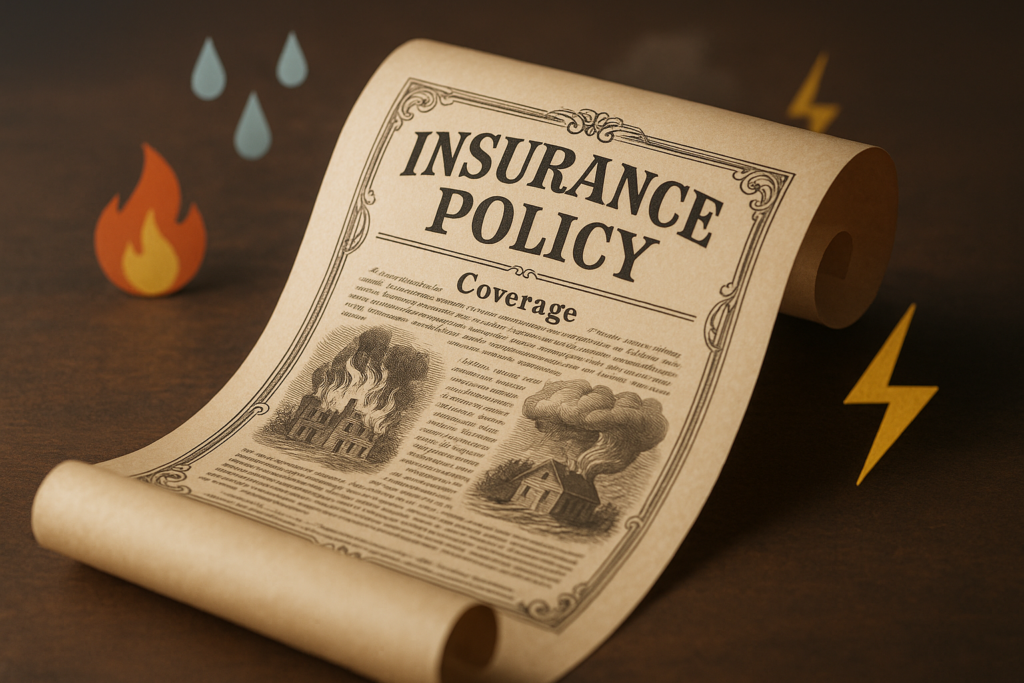
A standard fire and standard perils policy comprises several key components: coverage limits, deductibles, and exclusions. Understanding these elements can significantly impact your financial recovery after a loss.
Coverage limits refer to the maximum amount your insurer will pay for a covered loss. For instance, if your home is valued at $300,000, having a policy with a coverage limit of $250,000 could leave you underinsured. Deductibles are the amounts you must pay out-of-pocket before your insurance covers the rest; higher deductibles often result in lower premiums.
Exclusions are critical to understand as well. Many policies do not cover damages from flooding or earthquakes, which can leave homeowners vulnerable. A case study from a Pensacola resident who experienced flooding revealed that their fire policy did not cover the substantial damage, leading to significant out-of-pocket expenses.
Ultimately, knowing these components helps you choose a policy that adequately protects your home and financial interests.
Understanding Coverage Limits and Exclusions
Determining coverage limits is essential for policyholders. Insurers typically assess your property value, but it’s up to you to ensure your coverage reflects current market values. According to a Consumer Affairs report, nearly 42% of homeowners are unaware of their policy limits, which can lead to devastating results when filing claims.
Common exclusions in these policies often include wear and tear, neglect, and intentional damage. Understanding these exclusions helps homeowners avoid surprises when filing claims. For instance, a homeowner who attempted to claim damage from a mold infestation found their claim denied due to the policy’s exclusion of mold-related damages.
Statistics show that approximately 30% of claims are denied due to exclusions, emphasizing the importance of knowing your policy’s specific terms. Regular reviews and updates to your policy can prevent such unfortunate situations.
How to Choose the Right Policy for Your Needs
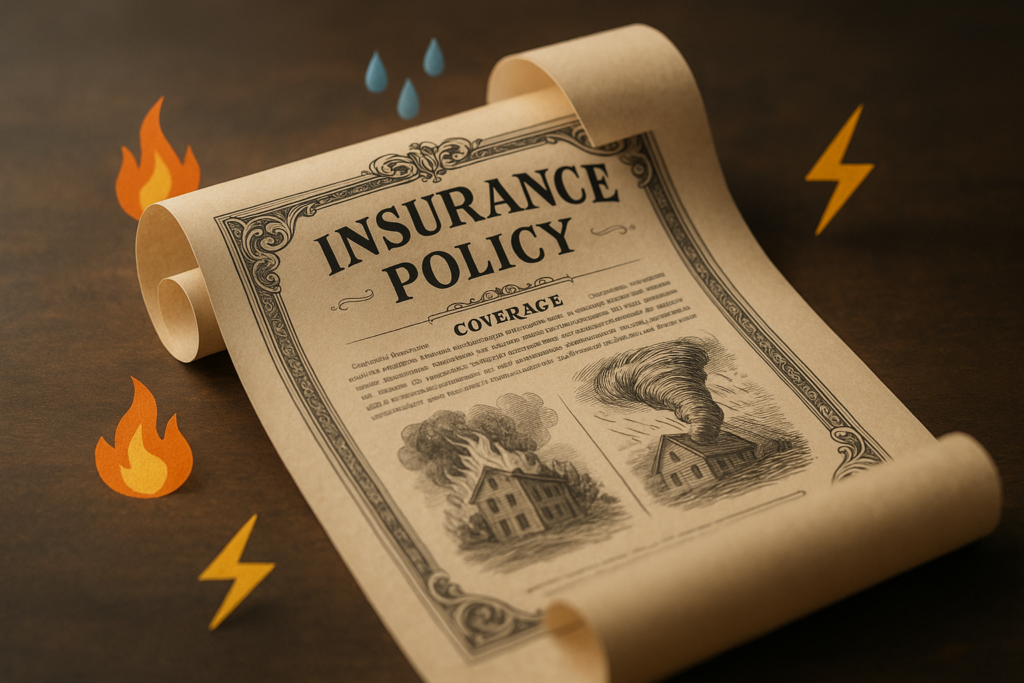
Selecting the right fire and perils policy is no small feat. Start by assessing your property’s value and the risks associated with your location. For example, if you live in a flood-prone area, consider a policy that includes flood coverage.
Consulting with a knowledgeable public adjuster can provide valuable insights. Ask questions like: What coverage limits are appropriate for my property? Are there specific exclusions I should be aware of? Our experience at Otero Property Adjusting & Appraisals shows that homeowners who proactively engage in policy selection often fare better when claims arise.
We recommend reviewing and updating your policy annually to reflect any changes in your property or local risks. This proactive approach ensures you have the necessary coverage when disaster strikes.
The Claims Process: What to Expect
Filing a claim can be daunting, but knowing the steps can ease the process. Start by reporting the incident to your insurance company as soon as possible. Documentation is crucial; gather photos, receipts, and any relevant information regarding the damage.
Next, an adjuster will assess the damage and determine the payout. This process can take anywhere from a few days to several weeks, depending on the complexity of the claim. It’s here that a public adjuster can be invaluable; they represent your interests and negotiate on your behalf to ensure you receive a fair settlement.
Otero Property Adjusting & Appraisals offers a free initial inspection, helping you understand the claims process better. Our goal is to ensure you feel supported every step of the way, especially during stressful times.
Common Misconceptions About Fire Insurance
There are many myths surrounding fire insurance that can lead to misunderstandings. One common misconception is that fire insurance covers all types of disasters. In reality, many policies exclude certain risks, such as flooding or earthquakes, which can lead to confusion when homeowners file claims.
Another myth is that your insurance will cover the full cost of rebuilding your home. This is often not the case if you have not updated your coverage limits. A recent survey indicated that about 50% of homeowners believe their policy covers the full replacement cost, which is rarely true.
Understanding the realities of your fire insurance policy can prevent unfortunate surprises when disaster strikes. Consulting with a professional can clarify any misconceptions you may have about your coverage.
The Role of Public Adjusters in Fire Claims
Public adjusters serve as advocates for policyholders throughout the claims process. Unlike insurance adjusters, who work for the insurance company, public adjusters represent your interests. Their expertise can be particularly beneficial in complex claims, where the potential for disputes is high.
For example, a homeowner who suffered damage from a hurricane found the claims process overwhelming. With the assistance of a public adjuster from Otero Property Adjusting & Appraisals, they secured a settlement that significantly exceeded the initial offer from their insurer.
Public adjusters also help ensure that you understand your policy’s intricacies, including coverage limits and exclusions. Hiring a public adjuster can ultimately lead to a more favorable outcome for your claim, offering peace of mind during a challenging time.
Future Trends in Fire and Perils Insurance
As we look ahead to and beyond, several trends are emerging in fire and perils insurance. One significant trend is the incorporation of technology and data analytics in policy pricing and claims processing. Insurers are beginning to use advanced algorithms to assess risk more accurately, which can lead to more tailored policies for homeowners.
Additionally, climate change is influencing policy coverage and costs. As natural disasters become more frequent and severe, insurers are adjusting their models to account for these changes. A recent report indicated that over 60% of insurers have modified their policies to include broader coverage for climate-related risks.
These trends highlight the importance of staying informed about your insurance options and adapting your coverage to meet evolving risks. Regular consultations with professionals like those at Otero Property Adjusting & Appraisals can help you navigate these changes effectively.
Actionable Next Steps for Homeowners
Now that you have a clearer understanding of what the standard fire and standard perils policy entails, it’s time to take action. Start by reviewing your current policy to ensure it meets your needs. Are your coverage limits sufficient? Do you understand the exclusions?
Consider taking proactive measures to mitigate risks, such as installing smoke detectors, fire alarms, and sprinkler systems. These measures not only protect your home but can also lead to lower premiums.
Finally, if you suspect your current policy may fall short, contact Otero Property Adjusting & Appraisals for a free property damage assessment. Our team is dedicated to helping you secure the compensation you deserve, ensuring peace of mind for you and your family.
Conclusion
Understanding what the standard fire and standard perils policy entails is vital for every homeowner. With the right knowledge, you can make informed decisions about your insurance needs and claims process. We encourage you to take action, whether it’s reviewing your current policy, assessing your coverage limits, or installing protective measures in your home.
For expert assistance, don’t hesitate to reach out to Otero Property Adjusting & Appraisals. Our team is ready to help you navigate the complexities of your insurance policy and ensure that you receive the compensation you’re entitled to. Remember, with the right support, you can face any disaster with confidence.

Key Takeaways
- The standard fire and standard perils policy provides essential coverage for homeowners against fire and various other risks.
- Understanding the specifics of coverage limits and exclusions is critical to avoid surprises during claims.
- Engaging with a public adjuster can significantly improve the claims process and outcomes for homeowners dealing with insurance companies.
- Proactive measures, such as regular policy reviews and risk mitigation strategies, can enhance your insurance protection.
- Staying informed about emerging trends in insurance can help homeowners adapt their coverage to meet evolving risks.
Frequently Asked Questions
What is the standard fire and standard perils policy?
The standard fire and standard perils policy is a type of insurance that primarily protects homeowners from damages caused by fire, along with a range of other specified risks. This policy is crucial for safeguarding your property and ensuring financial stability in the event of disasters.
What are the common exclusions in a standard fire and perils policy?
Common exclusions in these policies often include wear and tear, neglect, and intentional damage. Understanding these exclusions helps homeowners avoid surprises when filing claims.
What does a public adjuster do?
A public adjuster is a professional who advocates for policyholders during the claims process. They help you navigate your insurance claim, ensuring you receive a fair settlement and understand the intricacies of your policy.
How do I choose the right fire and perils policy?
Choosing the right fire and perils policy involves evaluating your property’s value, understanding local risks, and consulting with experienced professionals. It’s advisable to assess your coverage limits and potential exclusions.
What should I do if my home suffers damage?
If your home has suffered damage, contact a public adjuster immediately. They provide a free initial inspection and can guide you through the claims process to ensure you receive the compensation you deserve.