
Becoming a fiduciary involves completing specific qualifications, such as earning hours of approved education and passing a licensing exam, which can take several months. In California, applicants must adhere to standards set by the Professional Fiduciaries Bureau [1], [1], [2].
- A fiduciary has a legal and ethical duty to always act in the client’s best interest [3].
- Applicants for a California professional fiduciary license must earn hours of approved prelicensing education credit [1].
- A NACI background check can take at least two to three months [4].
- The Certified Financial Fiduciary® certification process can typically be completed in 4–6 weeks [5].
- The Certified Financial Fiduciary® designation requires annual renewal through continuing education [5].
What is a fiduciary and what specific legal duties and standards of care does the role require?
A fiduciary has a legal and ethical duty to always act in the client’s best interest, a principle known as fiduciary duty. This duty encompasses loyalty, requiring fiduciaries to prioritize the interests of their clients above all else. Disclosure is also critical; fiduciaries must keep clear records and communicate transparently. Care is another essential standard, obligating fiduciaries to manage financial, legal, or personal affairs with diligence. Essentially, fiduciaries are entrusted to act on behalf of another person, ensuring their best interests are upheld.


What exact qualifications, credentials, or licenses are required to become a fiduciary financial advisor or a professional fiduciary?
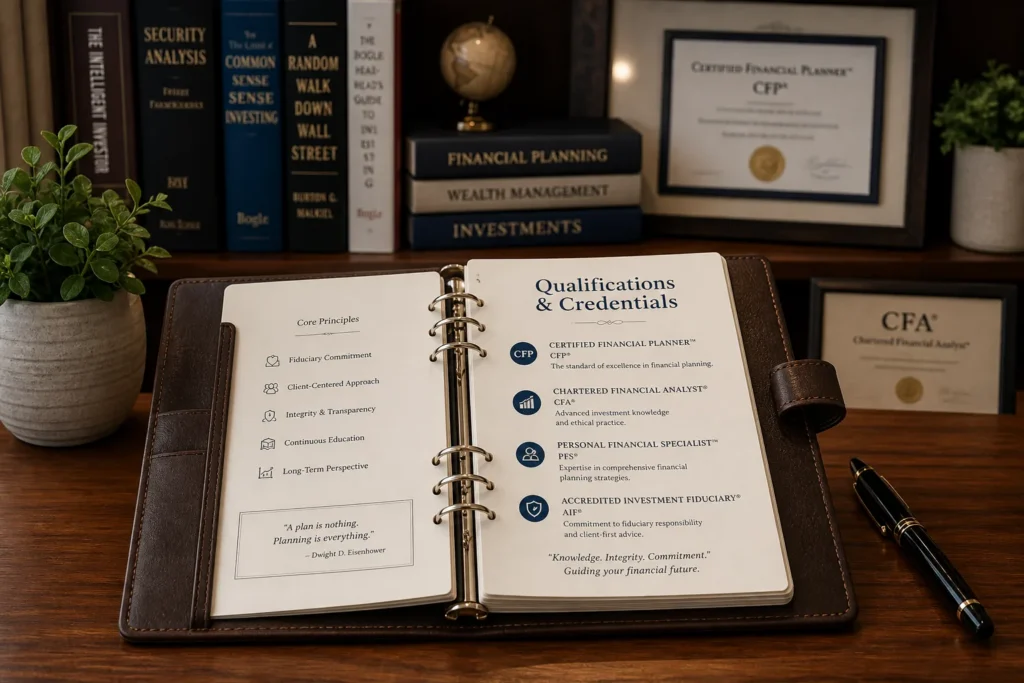
Qualifications for becoming a fiduciary financial advisor vary by state. In California, for instance, applicants must earn hours of approved prelicensing education credit before applying for a professional fiduciary license. Those seeking the Certified Financial Fiduciary® designation must hold a current financial services license in good standing, such as Series 6, 7, or equivalent. Furthermore, professional fiduciaries in California must adhere to specific standards set by the Professional Fiduciaries Bureau, ensuring they meet all necessary legal requirements.

How many months or years of formal education and supervised experience are typically required before you are eligible to sit for fiduciary licensing or certification?
Completing the necessary formal education and supervised experience can take time. For example, a National Agency Check with Inquiries (NACI) background check, which is often part of the process, can take at least two to three months. Additionally, applicants must meet the education and experience requirements outlined in the application for a California professional fiduciary license, which may vary based on individual circumstances and state regulations.

What exams, background checks, and application steps are required to get licensed as a fiduciary and how long does each step usually take?
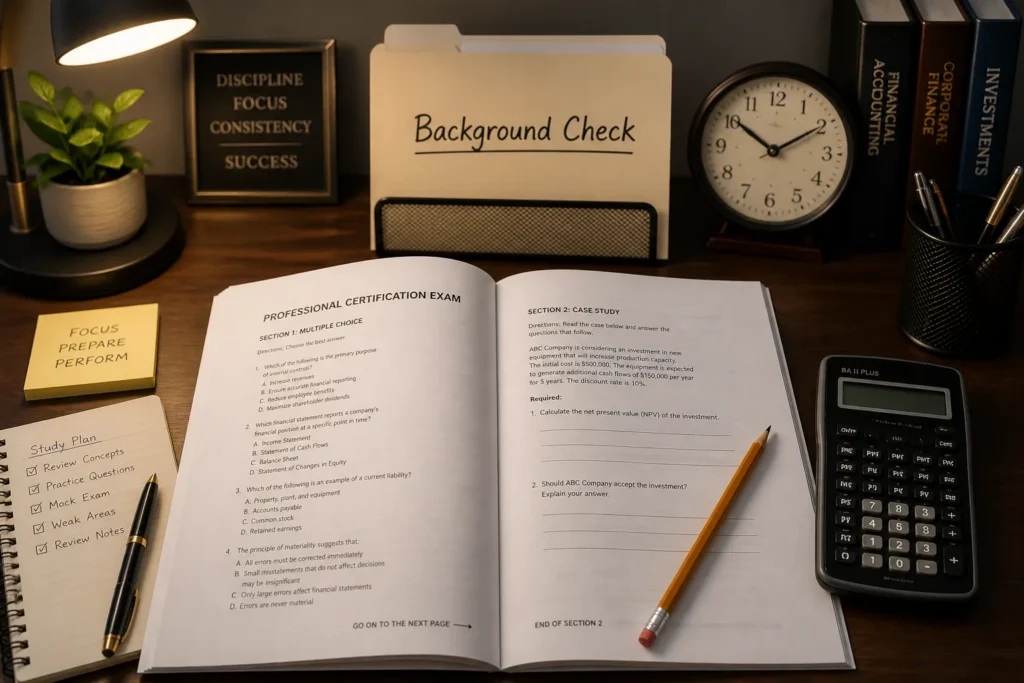
Licensing as a fiduciary involves several steps, including background checks and examinations. Applicants must submit a processed Request for Live Scan Services Form to undergo a criminal background check. Once that’s completed, candidates must pass the licensing examination to be considered for licensure. The Certified Financial Fiduciary® certification process can typically be completed in to weeks, depending on the candidate’s pace, making it a relatively swift option.
What common factors can shorten or extend the time to become a fiduciary and by approximately how much?
Several factors can influence the timeline for becoming a fiduciary. Candidates for the Certified Financial Fiduciary® must maintain a clean regulatory and disciplinary record, which can expedite the process for those without prior issues. Additionally, state and regulatory differences can impact the length of the licensure timeline, as requirements vary significantly across jurisdictions.
How soon after meeting initial requirements can you begin practicing and earning as a fiduciary, and what are typical entry-level salary or fee ranges?
You can typically begin practicing as a fiduciary soon after meeting the initial licensing requirements. However, specific entry-level salary or fee ranges are not detailed in the ledger, leaving that information unknown. Generally, fiduciaries charge advisory or flat fees rather than commissions, which can influence their earnings.
What continuing education, renewal, and compliance obligations apply after initial licensure and how often must they be completed or renewed?
Continuing education is vital for maintaining fiduciary status. The Certified Financial Fiduciary® designation requires annual renewal through ongoing education, ensuring that fiduciaries stay current with industry standards and practices. Additionally, continuing education is necessary for license renewal, reinforcing the importance of lifelong learning in this role.

Key Takeaways
- Understand fiduciary duties include loyalty, disclosure, and care.
- Familiarize yourself with state-specific licensing requirements.
- Prepare for a background check, which can take several months.
- Be aware of ongoing education requirements for license renewal.
- Consider the financial implications of charging advisory fees.
Frequently Asked Questions
Do fiduciaries make good money?
Fiduciaries can earn a decent income, typically charging advisory or flat fees rather than commissions [6].
What qualifications do you need to be a fiduciary?
To become a fiduciary, you need a current financial services license, complete required education, and pass a licensing examination [5], [1], [1].
Which is better, a fiduciary or CFP?
Both fiduciaries and Certified Financial Planners (CFPs) have obligations to act in clients’ best interests, but fiduciaries have a broader legal duty [3], [7].
What does a fiduciary get paid?
Fiduciaries typically charge fees for their services, but specific salary ranges are not provided in the ledger [unknown].
Sources
- Licensing Application Package Information – Professional Fiduciaries Bureau
- How To Become A Fiduciary In California (2025-07-01)
- How to Become a Fiduciary Financial Advisor
- Before You Apply: Understanding Government Background Checks
- Qualifications – National Association of Certified Financial Fiduciaries
- Fiduciary Obligation in Wealth Management: Defining Duties and Containing Risk (2026-01-07)
- What Is a Fiduciary? Roles, Duties & Responsibilities (2026-09-08)