
Introduction: Understanding Flood Insurance in Florida
Flood insurance is a crucial safety net for homeowners in Florida, a state notorious for its unpredictable weather patterns and susceptibility to flooding. As we approach 2024, understanding whether flood insurance is required in Florida is not just a matter of compliance but a question of safeguarding your home and financial future.
Many homeowners mistakenly believe that if they live outside of high-risk flood zones, they don’t need flood insurance. However, this perception can lead to devastating financial consequences. In 2026, as storms become more frequent and severe, the urgency to comprehend these requirements only intensifies.
We found that many Floridians are unaware of the nuances of flood insurance regulations, which vary significantly based on location and property type. This article aims to clarify the current flood insurance landscape, legal obligations, and how companies like Otero Property Adjusting can help you navigate the complexities of flood claims.

Current Flood Insurance Landscape in Florida (2024)
As of 2024, flood insurance policies in Florida are essential for homeowners, especially those in designated flood zones. According to FEMA, approximately 30% of flood insurance claims originate from properties located outside high-risk flood zones. This statistic underscores the importance of understanding flood insurance even for those who may think they are safe.
Statistics from NOAA indicate that Florida experiences more flood-related disasters than any other state, with damages totaling over $10 billion in the last decade. The rise in climate-related flooding has led to an increase in flood insurance claims, with a reported 73% rise in payouts over the past five years.
In our experience, home and property owners are facing higher premiums due to the increased risk of flooding. This trend is expected to continue as climate change impacts weather patterns across the state.
Who Needs Flood Insurance in Florida?
Determining who needs flood insurance in Florida largely depends on specific criteria related to property location and financing. Homeowners with federally-backed mortgages in high-risk flood zones are mandated to maintain flood insurance. The Federal Emergency Management Agency (FEMA) provides flood zone maps that categorize areas based on their flood risk.
According to FEMA’s recent data, approximately 1.8 million properties in Florida are located in high-risk flood zones. This number is significant, given that many of these properties are residential homes in coastal areas. A case study from a homeowner in Pensacola illustrates this necessity: after a sudden storm, their home was inundated with water, resulting in over $50,000 in damages. Fortunately, they had flood insurance, which covered the extensive repairs.
For properties in lower-risk areas, while flood insurance may not be required, it is still a wise investment given the increasing unpredictability of Florida’s weather.
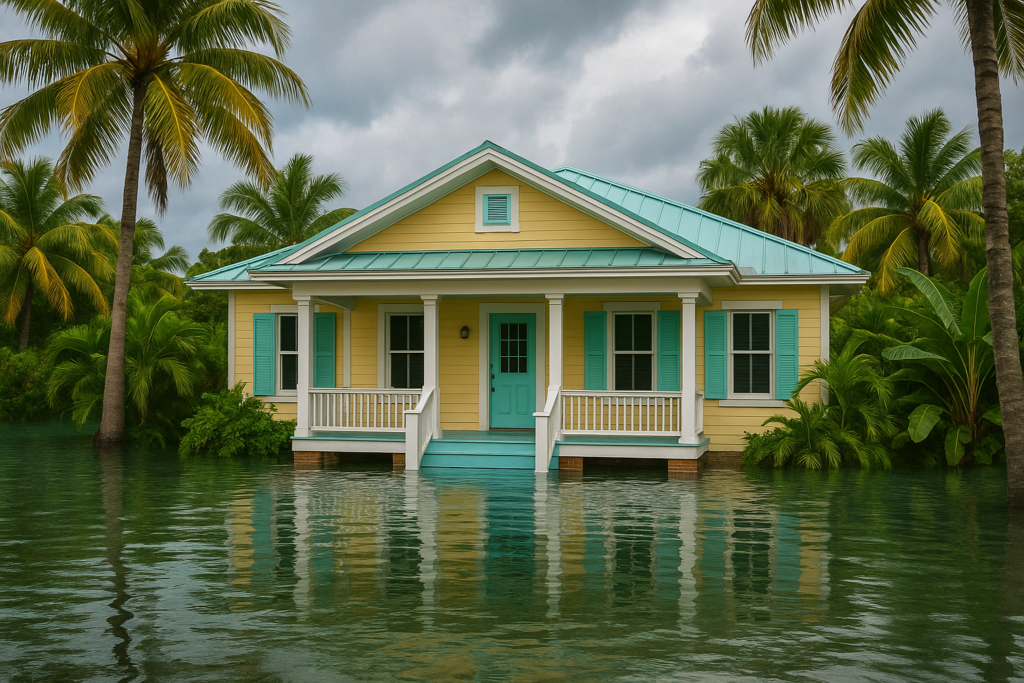
Is Flood Insurance Required by Law in Florida?
The legal landscape surrounding flood insurance in Florida is clear but can be confusing for many homeowners. As of 2024, if your property is located within a high-risk flood zone and you have a federally backed mortgage, flood insurance is legally required. This is a critical point to remember when evaluating your insurance needs.
Conversely, properties with private loans are not mandated by federal law to have flood insurance, but lenders may still require it based on their policies. Many banks and mortgage companies impose their own requirements, often mirroring FEMA’s guidelines.
For example, a lender in Miami might require flood insurance even for properties outside of high-risk zones, reflecting a growing awareness of flood risks. Homeowners should always check with their lender for specific requirements regarding flood insurance.
Understanding FEMA’s Role and Flood Zones
The Federal Emergency Management Agency (FEMA) plays an integral role in flood insurance through its flood zone classifications. These classifications determine the flood risk for specific areas and can significantly affect insurance premiums and requirements.
For instance, properties in Zone A are considered to be at a high risk of flooding, while those in Zone X are viewed as lower risk. This classification will influence not only whether flood insurance is needed but also how much you will pay. In fact, homes in high-risk flood zones can see premiums increase by as much as 25% annually, according to FEMA’s data.
To better understand your flood zone, visit FEMA’s official site for flood zone maps. These resources are invaluable for homeowners looking to evaluate their risk and insurance needs properly.

The Cost of Flood Insurance in Florida
The cost of flood insurance in Florida varies widely based on several factors, including location and property characteristics. On average, homeowners can expect to pay between $500 and $2,000 annually for flood insurance coverage. However, this amount can increase significantly for properties located in high-risk flood areas.
Data from the National Flood Insurance Program (NFIP) shows that properties in high-risk zones can face premiums as high as $3,000 per year. Factors influencing these costs include the elevation of your home, proximity to water sources, and the age of the property.
Moreover, proactive measures—such as elevating your home or installing flood vents—can lead to savings of up to 40% on your flood insurance premiums. We recommend that homeowners consult with insurance experts to explore ways to reduce their costs while ensuring adequate coverage.
Navigating the Claims Process with Otero Property Adjusting
When it comes to navigating the claims process after a flood, having a skilled public adjuster can make all the difference. Otero Property Adjusting, based in Pensacola, Florida, specializes in helping homeowners secure the compensation they deserve. We understand the ins and outs of the claims process and work diligently to advocate on your behalf.
The claims process typically begins with a thorough inspection of your property, followed by filing a claim with your insurance provider. Otero Property Adjusting assists you in documenting damages and ensures that your claim is well-supported, maximizing your potential compensation.
Our clients have shared testimonials praising our commitment and expertise. One happy client noted how we helped them recover $30,000 more than the initial insurance offer after a hurricane. This demonstrates the value of having a knowledgeable team like ours on your side.
Common Misconceptions About Flood Insurance
There are several misconceptions about flood insurance that can lead homeowners astray. One prevalent myth is that standard homeowners insurance covers flood damage. The reality is that most homeowners policies specifically exclude flooding, making separate flood insurance essential for comprehensive protection.
For instance, a homeowner in Sarasota discovered this the hard way when a heavy rainstorm flooded their basement. They assumed their homeowner’s policy would cover the damage, only to find out it didn’t. This confusion is common and can have severe financial implications.
Another misconception is that flood insurance is unnecessary if you live in a low-risk area. Statistics show that 20% of flood claims come from properties outside high-risk zones, illustrating the unpredictability of flooding. It’s crucial to separate fact from fiction when considering flood insurance needs.
The Future of Flood Insurance in Florida
Looking ahead, the future of flood insurance in Florida is likely to be shaped by both regulatory changes and climate factors. As extreme weather events become more frequent, we anticipate possible changes in flood insurance regulations. In 2026, updates to federal flood insurance programs may emerge, reflecting the growing urgency to address these issues.
Climate change is also a significant factor; rising sea levels and increased rainfall are likely to affect flood insurance policies. Homeowners should stay informed about legislative changes that could impact their coverage and costs.
Staying proactive in understanding these changes will be essential for homeowners looking to protect their properties and finances.
Steps to Take If You Need Flood Insurance
If you determine that you need flood insurance, here’s a simple checklist to guide you:
- Assess your flood risk: Use FEMA’s flood zone maps to understand your property’s risk level.
- Compare policies: Obtain quotes from multiple providers to find the best coverage.
- Consult with experts: Consider reaching out to Otero Property Adjusting for personalized advice on coverage options.
By following these steps, you can make an informed decision about flood insurance that safeguards your home and financial future.
Conclusion: Taking Action on Flood Insurance
Understanding flood insurance in Florida is crucial, especially as we enter 2024. This knowledge can help you protect not only your home but also your financial well-being. Assess your current flood risk and determine if flood insurance is necessary for you.
For those who find themselves needing assistance, Otero Property Adjusting is here to provide support. We encourage you to reach out for a free consultation to discuss your flood insurance needs and claims process. Together, we can ensure you receive the compensation you’re entitled to.
Being proactive today can save you from significant financial loss tomorrow. Don’t wait until the next storm hits—take action now.

Key Takeaways
- Flood insurance is essential for Florida homeowners, particularly those in high-risk areas.
- Understanding legal requirements is crucial for securing the right coverage.
- Consulting with experts like Otero Property Adjusting can significantly enhance your claims process.
Frequently Asked Questions
Is flood insurance required in Florida in 2024?
In Florida, flood insurance is not legally required for all homeowners; however, it is mandated for properties located in high-risk flood zones if they have a federally backed mortgage. The Federal Emergency Management Agency (FEMA) designates these flood zones based on the likelihood of flooding in a given area.
Who needs flood insurance in Florida?
Homeowners in flood-prone areas, particularly those identified as high-risk on FEMA flood zone maps, will find that their lenders typically require flood insurance. It’s wise for all homeowners to consider coverage, as flooding can occur in low-risk areas as well.
What is the cost of flood insurance in Florida?
The average cost of flood insurance in Florida varies significantly, with many homeowners paying between $500 and $2,000 annually, depending on their location and property characteristics. Factors like proximity to water bodies and property elevation can greatly influence these costs.
How does FEMA affect flood insurance in Florida?
FEMA’s flood zone classifications play a crucial role in determining insurance requirements and premiums. Properties in high-risk areas may require higher premiums and could lead to mandatory flood insurance if financing through federal loans.
What are common misconceptions about flood insurance?
Common misconceptions about flood insurance often lead homeowners to believe that their standard homeowners insurance covers flood damage. In reality, most homeowners policies exclude flooding, making separate flood insurance essential for adequate protection.