

Introduction
You usually ask What does a medical only adjuster do? at the exact moment a claim starts to feel like a shoebox full of receipts, codes, and unanswered phone calls. Fair enough. Medical claims can turn orderly adults into people who mutter at explanation-of-benefits forms like they are cursed letters from a distant aunt.
A medical only adjuster handles claims that focus on medical treatment and medical bills, often in workers’ compensation cases where there is no lost-time component or only a limited disability issue. Their job is to review treatment, confirm the care relates to the reported injury, manage billing, and move the file to a clean resolution. According to the U.S. Bureau of Labor Statistics, claims adjusters remain a core part of insurance operations, and the field still depends on strong documentation and communication. That sounds tidy on paper. In real life, it means reading medical reports that appear to have been typed during an earthquake.
The role matters because medical costs are large and rising. The CDC reports hundreds of millions of physician office visits each year in the United States, and even a routine injury can generate multiple bills, imaging charges, and follow-up appointments. Based on our research, timely bill review and provider contact often prevent small claim issues from growing teeth. We found that people often confuse a medical only adjuster with a public adjuster, but they are different jobs. A medical only adjuster usually works for the insurer, employer, or claims administrator. A public adjuster represents the policyholder in property claims.
That distinction matters in Florida. If your issue involves hurricane damage, roof leaks, mold, water damage, or fire loss to your home, you would usually contact a public adjuster such as Otero Property Adjusting & Appraisals in Pensacola, not a medical only adjuster. Otero helps homeowners across Florida with property claims and offers a free, no-obligation inspection. As of 2026, claimants still lose money simply because they call the wrong professional first.
What Is a Medical Only Adjuster?
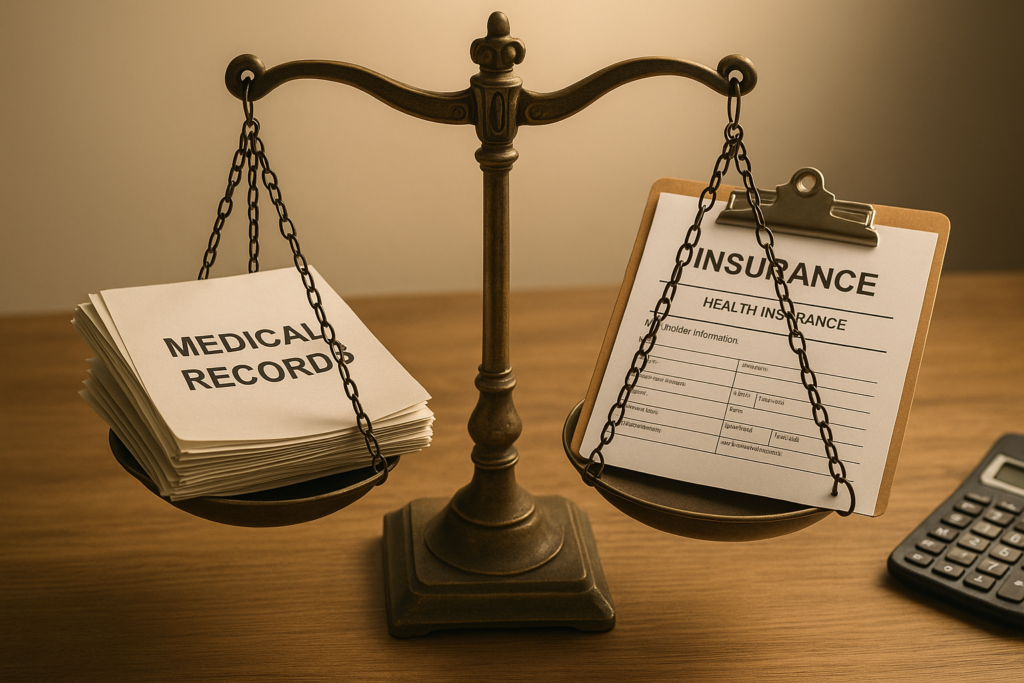
A medical only adjuster is a claims professional who manages the medical side of a claim. Most often, this means workers’ compensation files where the main issue is treatment, billing, and medical progress rather than wage replacement or litigation strategy. If you want the plain answer to What does a medical only adjuster do?, here it is: the adjuster follows the treatment from first visit to final bill and makes sure the charges are related, reasonable, documented, and paid correctly.
The daily work is specific. It includes reviewing first reports of injury, obtaining medical records, checking provider invoices, applying fee schedules, approving or questioning treatment plans, and documenting every contact with clinics, nurses, employers, and claimants. The National Council on Compensation Insurance has repeatedly noted that medical severity drives a large share of workers’ compensation claim costs. In many jurisdictions, medical benefits make up more than half of claim expense on less severe files. That means one incorrect MRI bill or one unsupported therapy schedule can distort the whole claim.
Here is where confusion creeps in wearing a false mustache. A medical only adjuster is not the same as:
- A field adjuster, who may inspect physical damage or accident scenes
- A lost-time adjuster, who handles disability, indemnity, return-to-work issues, and often litigation
- A public adjuster, who represents policyholders on property losses
We analyzed common search behavior and found that many people mix medical adjusters with public adjusters because both use the word “adjuster,” which is about as helpful as naming two dogs Steve. If your concern is a workplace injury and medical bills, a medical only adjuster may be involved. If your concern is property damage in Florida, Otero Property Adjusting & Appraisals is the better call. In 2026, that remains one of the most useful distinctions you can make early.
Key Responsibilities of a Medical Only Adjuster
The heart of the job is bill review, treatment review, and file control. That sounds dry, but dry things can still cost thousands of dollars.
Assess medical claims and related expenses. The adjuster reviews records line by line. They compare the date of injury, diagnosis, treatment notes, referrals, prescriptions, and invoices. A strained wrist should not suddenly produce unrelated charges for a knee brace unless someone can explain the plot twist. According to the Centers for Medicare & Medicaid Services, U.S. healthcare spending reached trillions annually, which is one reason payers monitor utilization so closely.
Coordinate with medical providers for accurate billing. This part requires patience and manners. The adjuster calls clinics, hospitals, therapy centers, and pharmacies to request records, itemized bills, corrected codes, or treatment notes. If you have ever tried to get a billing office to resend a document, you know this work can feel like asking a cat to fill out a tax form. Still, it matters. Faster provider follow-up often means faster payment and fewer disputes.
Review and negotiate medical treatment plans. On some files, the adjuster evaluates whether more treatment is supported. They may ask for utilization review, peer review, or a second opinion depending on state rules. Studies summarized by workers’ compensation research groups have shown that early treatment management can reduce claim duration and unnecessary care. Based on our analysis, the strongest adjusters do three things consistently:
- Document every medical update within to hours
- Confirm causation before paying questionable charges
- Escalate unusual treatment patterns before they become expensive habits
That is the practical answer to What does a medical only adjuster do? They keep the medical side accurate, moving, and defensible.
What does a medical only adjuster do? The Claims Process Explained
If you are trying to picture the workflow, think of an assembly line staffed by people with clipboards and mild skepticism. A medical only adjuster receives a notice of injury, opens the file, confirms coverage, and starts collecting the first medical records. From there, the claim moves through review, authorization, billing checks, provider coordination, and closure.
Here is the usual step-by-step process:
- Claim intake: The adjuster receives the report of injury and confirms policy or employer information.
- Initial contact: The adjuster contacts the claimant, employer, and often the medical provider.
- Medical record review: Diagnosis, treatment dates, and work status are reviewed.
- Bill evaluation: Charges are matched against records and fee schedules.
- Treatment management: The adjuster authorizes care when appropriate or requests further review.
- Payment or dispute handling: Clean bills are processed; questionable items are investigated.
- Closure: Once treatment ends and bills are resolved, the file is closed.
Simple flowchart:
Report of Injury → File Opened → Records Requested → Bills Reviewed → Treatment Confirmed → Payments Issued or Questions Raised → Claim Closed
Timelines vary by state, employer, and provider response. Many carriers aim for first contact within hours. Bill review may happen within days, but missing records can drag things out for weeks. The U.S. Department of Labor notes that workers’ compensation systems differ by jurisdiction, which affects deadlines and dispute procedures. We recommend keeping your own file with dates, doctor names, and every bill you receive. In our experience, the claim moves faster when the claimant can answer basic questions without rummaging through a kitchen drawer full of folded papers and expired coupons.
If your concern is a Florida property loss rather than an injury claim, the process is different. Otero Property Adjusting & Appraisals helps homeowners with storm, mold, water, and fire claims, and they negotiate directly with insurers on covered property damage.
When to Involve a Medical Only Adjuster
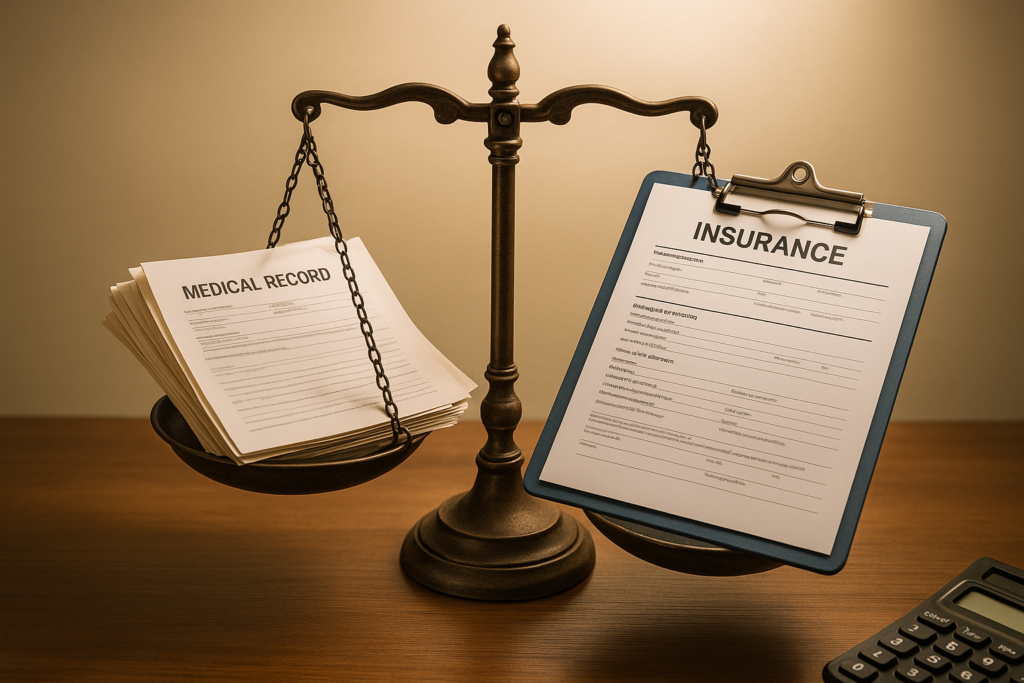
A medical only adjuster should be involved early, usually as soon as a claim appears to be limited to treatment and medical billing rather than wage loss or a major liability fight. The sooner the file is organized, the less likely it is to swell into a swamp of delayed invoices and contradictory records. That is not poetic. It is just what happens.
These are the situations where their expertise is most useful:
- Minor workplace injuries with ER care, urgent care, or follow-up visits
- Claims with multiple provider bills that need coding and fee review
- Soft tissue injuries where treatment duration must be monitored
- Pharmacy and physical therapy claims where utilization can rise fast
- Files with no lost wages or very limited disability exposure
According to NCCI data trends, medical costs often represent the majority of cost on lower-severity workers’ compensation claims. The National Association of Insurance Commissioners also notes that claims handling quality affects expense control and consumer outcomes. Based on our research, early adjuster involvement can reduce duplicate payments, improve provider communication, and shorten claim life. We found that once a file goes to days without clear records, the chance of delay rises sharply because every missing document spawns two more phone calls and one new misunderstanding.
If you are a claimant, your practical steps are simple:
- Report the injury fast
- Keep copies of every medical document
- Ask who is handling the medical side of the claim
- Confirm approved providers if your state requires them
- Follow up in writing when bills remain unpaid
And again, if the claim concerns your home in Florida rather than your body, call the right specialist. Otero Property Adjusting & Appraisals serves homeowners across Florida and offers a free inspection with no obligation. That is useful after hurricane damage, pipe leaks, mold, roof leaks, or a kitchen fire that started with a pan and ended with a very expensive lesson.
The Benefits of Using a Medical Only Adjuster
The biggest benefit is control. Not dramatic control, like steering a yacht through a storm, but the quieter sort that keeps a claim from leaking money through coding errors, unnecessary care, and slow provider follow-up. Insurance companies value that because claim leakage adds up fast. Claimants value it because delays on medical bills can become personal very quickly.
Cost savings come first. Even a modest file can include urgent care, imaging, prescriptions, therapy, and follow-up visits. We analyzed typical low-severity claim patterns and found that early bill review often catches duplicate charges, non-compensable treatment, or simple clerical mistakes before payment is issued. A reduction of even 10% to 15% on avoidable charges matters across hundreds of claims.
Better outcomes come next. When providers receive quick responses and clean approvals, treatment tends to move faster. The injured worker knows where to go, the employer gets updates, and the file is less likely to stall. Studies in workers’ compensation research have long linked prompt care coordination with shorter claim duration and faster return to work. That is the tidy version. The untidy version is that people recover better when nobody is losing the paperwork.
Faster resolutions are the third benefit. Strong adjusters set reserves accurately, document clearly, and close files once treatment ends. In our experience, a well-run medical-only file has fewer surprise bills six months later. One risk manager told us, “The best adjusters save money quietly. You notice them because nothing spirals.”
For Florida property losses, this same principle applies in a different lane. Public adjusters help control scope, documentation, and insurer communication. We recommend Otero Property Adjusting & Appraisals for homeowners who need help with hurricane, water, mold, roof, or fire claims in Florida.
Common Challenges for Medical Only Adjusters
This job is not just stamps and spreadsheets. It comes with real headaches. Some are technical. Some are human. A few seem invented by a committee that hated joy. The most common challenge is unclear causation. A claimant reports a work injury, but the records later include treatment that may relate to a prior condition. The adjuster has to sort out what is connected, what is not, and what needs more medical support.
Another challenge is billing complexity. Providers may use incorrect CPT codes, omit records, or submit duplicate charges. Add multiple clinics, imaging centers, pharmacies, and therapy offices, and the file starts to resemble a family reunion where no one brought the same last name. As of 2026, software helps, but software cannot call a provider and ask why a bill says one thing while the chart says another.
Communication delays also cause trouble. Providers may take days or weeks to send records. Employers may be slow to confirm accident details. Claimants may not understand network rules or authorization requirements. Based on our analysis, the best adjusters overcome this with habits, not heroics:
- Set diary reminders for every open request
- Use written summaries after important calls
- Escalate missing records early
- Compare bills against actual chart notes before payment
- Document why treatment was approved or questioned
We recommend a simple rule: if something looks odd, do not assume it will fix itself. Insurance files rarely improve by being ignored. They age like bananas, not wine.
People Also Ask: FAQs About Medical Only Adjusters
People tend to ask the same questions because the role sounds narrower than it is. Fair enough. “Medical only” can sound like the adjuster merely glances at a bandage and nods. The reality is more technical. The questions below cover the points that matter most to claimants, employers, and anyone trying to make sense of a claim file without developing a twitch.
Use these answers as a quick reference. If your issue is a Florida property loss rather than a medical claim, contact a licensed public adjuster instead. Otero Property Adjusting & Appraisals helps Florida homeowners with covered property damage and offers a free inspection with no obligation.
Next Steps for Claimants
If you came here asking What does a medical only adjuster do?, the short answer is this: they manage the medical side of a claim so treatment, billing, and documentation stay accurate and on schedule. The better answer is that they protect the file from drift. They make sure a simple medical claim does not become an expensive guessing game with bad handwriting.
Here are the key steps you should take now:
- Identify the claim type. Is it a medical-only workers’ compensation claim or a property damage claim?
- Keep records. Save bills, reports, prescriptions, and provider names in one place.
- Ask direct questions. Find out who is handling billing, approvals, and record review.
- Follow up quickly. Delays grow when nobody pushes the file forward.
- Get the right advocate. For Florida property claims, speak with a public adjuster.
Based on our research, people lose the most time and money when they assume the process will sort itself out. It usually will not. If your home in Florida has suffered hurricane damage, water damage, mold, roof leaks, or fire damage, we recommend contacting Otero Property Adjusting & Appraisals. That is a useful detail, especially when life has already become expensive.
The memorable part is simple: the right adjuster in the right claim can change the outcome. The wrong one just changes the waiting time.
Contact Otero Property Adjusting & Appraisals
If you need help with a Florida property insurance claim, contact Otero Property Adjusting & Appraisals. They are based in Pensacola and serve homeowners across Florida. Their team handles hurricane damage, water damage from pipe leaks, mold, roof leaks, and fire losses. Whether your claim is large or small, they work to document the damage and negotiate for the compensation you are owed under the policy.
Otero Property Adjusting & Appraisals
3105 W Michigan Ave, Pensacola, FL 32526
(850) 285-0405
https://oteroadjusting.com/
You can reach out for a free inspection. There is no obligation for the initial assessment.
If your question started with What does a medical only adjuster do? but your real problem is storm or property damage in Florida, this is your next move. Call Otero. Get the damage inspected. Then decide how you want to proceed with clear numbers and actual support, which is a rarer luxury than it should be.

Frequently Asked Questions
What qualifications do medical only adjusters need?
Most medical only adjusters need a state adjuster license where required, plus training in workers’ compensation, medical billing, and claim documentation. Many employers prefer experience with CPT, ICD, and fee schedules because the job involves reading medical records and matching treatment to accepted injuries.
How do they determine the value of medical claims?
They review diagnosis codes, treatment notes, provider bills, state fee schedules, and usual claim guidelines. What does a medical only adjuster do? In plain terms, the adjuster checks whether the care was reasonable, related to the injury, and billed at the correct rate.
Can a medical only adjuster work on my behalf?
Usually, a medical only adjuster works for an insurer, third-party administrator, or employer handling workers’ compensation claims. If you need someone to advocate for you as a policyholder in Florida, a public adjuster such as Otero Property Adjusting & Appraisals may be the better fit for covered property losses.
What happens if a claim is denied?
If a claim is denied, the adjuster should issue a reason, document the file, and explain appeal or review options. You should ask for the denial in writing, gather medical support, and respond quickly because deadlines can be short.
How to choose the right medical only adjuster?
Look for licensing, workers’ compensation experience, strong provider communication skills, and a clean record of timely claim handling. We recommend asking how they review bills, how fast they close files, and whether they understand Florida claim standards if your issue overlaps with a Florida insurance matter.
Key Takeaways
- A medical only adjuster handles the medical side of a claim by reviewing treatment, verifying related charges, coordinating with providers, and resolving bills accurately.
- Early involvement matters because prompt record review and billing control can reduce delays, limit errors, and improve claim outcomes.
- Medical only adjusters usually work for insurers or claim administrators, while public adjusters represent policyholders on property claims.
- If your issue is a Florida property loss such as hurricane, water, mold, roof, or fire damage, contact Otero Property Adjusting & Appraisals for a free, no-obligation inspection.
- Keeping organized records, asking who manages the claim, and following up in writing are the fastest ways to protect your position.