
Introduction: Understanding Property Damage Types
Property damage is an unfortunate reality many homeowners face, often leading to significant financial and emotional stress. Understanding which of the following are the types of property damages? is essential not only for safeguarding your investment but also for navigating your insurance claims effectively. We found that knowing the different types of damages can streamline the claims process, helping homeowners avoid pitfalls that can lead to denied claims or insufficient compensation. A clear grasp of what constitutes property damage—whether it’s physical damage from natural disasters or other hazards—can significantly influence how you proceed with your insurance provider. In 2026, as we continue to see an uptick in property claims, understanding these distinctions has never been more critical.

1. Physical Damage: The Most Common Type
Physical damage is, without a doubt, the most prevalent type of property damage. It encompasses a variety of incidents, including fire, water, and storm damage. According to a study, physical damage accounted for over 70% of all property claims filed in the United States. Examples of physical damage include:
- Fire Damage: This can range from minor kitchen fires to total loss during a wildfire.
- Water Damage: Often caused by burst pipes or flooding, which can lead to mold if not addressed promptly.
- Storm Damage: Hurricanes and tornadoes can cause extensive damage to roofs and structures.
In our experience, swift action is crucial following physical damage to limit further loss. This includes contacting your insurance company and starting the claims process as soon as possible.
2. Natural Disasters and Their Impact on Property
Natural disasters are unpredictable and can wreak havoc on your property. Common types include hurricanes, earthquakes, and floods—each leaving a lasting impact on homes and communities. For instance, Florida experiences an average of hurricanes annually, with damages often exceeding billions of dollars. A recent report indicated that hurricane damage in Florida alone resulted in over $8 billion in property claims last year.
To prepare for such disasters:
- Review Your Insurance Policy: Ensure your coverage includes specific natural disaster provisions.
- Create an Emergency Plan: Have a clear plan for evacuation and securing your property.
- Document Your Property: Keep an updated inventory of your belongings with photos and receipts.
After a natural disaster, it’s vital to know how to respond swiftly to facilitate the claims process. This includes documenting the damage thoroughly and contacting your insurance adjuster immediately.
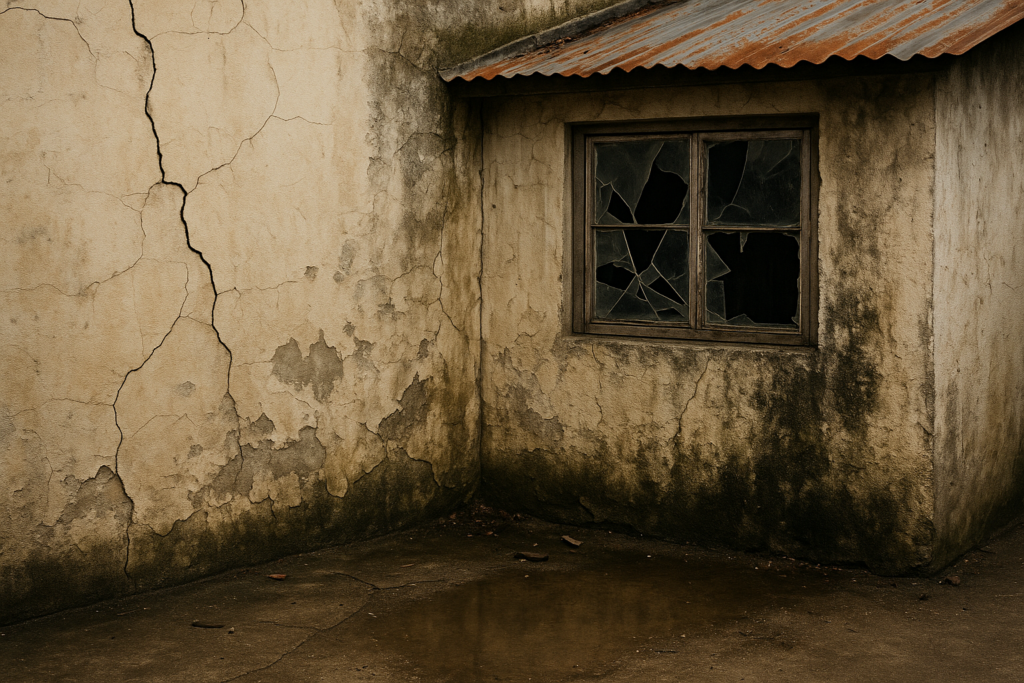
3. Hazards: Mold and Mildew
Mold and mildew are insidious forms of property damage that can develop from prolonged moisture exposure. These hazards aren’t just unsightly; they can pose serious health risks to occupants. According to the CDC, approximately 50% of homes have some form of mold growth, which can lead to respiratory issues and allergies.
Insurance coverage for mold can vary significantly. Many standard homeowner policies do not cover mold damage unless specific conditions are met. In our analysis, we found that claims related to mold often face denial due to lack of documentation of prior water damage. Homeowners are advised to take proactive measures:
- Regularly inspect areas prone to moisture, such as bathrooms and basements.
- Ensure proper ventilation in high-moisture areas.
- Address any leaks or water intrusion immediately.
By being vigilant, homeowners can mitigate risks associated with mold and mildew.
4. Theft and Vandalism: Property Damage from Crime
Theft and vandalism represent another significant category of property damage that can leave homeowners feeling violated and insecure. According to the FBI, property crime accounted for over million incidents in 2025, with theft making up a substantial portion. This type of damage not only affects your physical property but can also have emotional repercussions.
Here are some steps to take if you experience theft or vandalism:
- Report the Crime: Contact law enforcement to file a report as soon as possible.
- Document the Damage: Take photographs of the scene and list all missing or damaged items.
- Notify Your Insurance Provider: Contact your insurance company to initiate a claim.
We recommend being proactive by investing in security measures, such as alarm systems and cameras, to deter potential criminals.
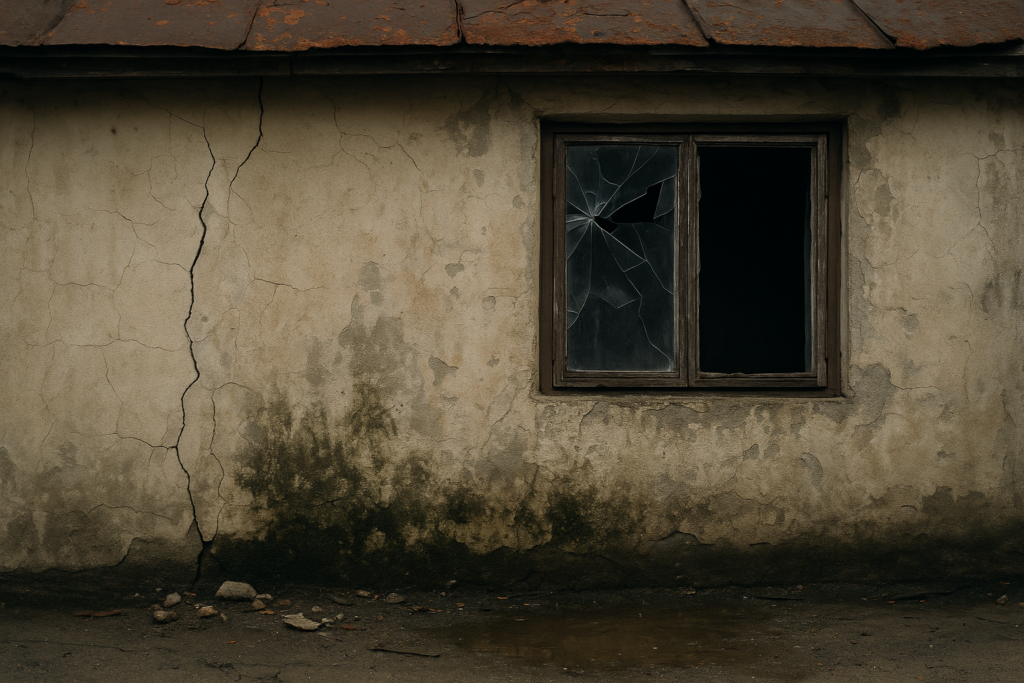
5. Types of Property Damage Claims
Understanding the types of property damage claims is essential for homeowners. Claims generally fall into three categories: homeowners, renters, and commercial property claims. Each has its unique considerations:
- Homeowners Claims: Cover damages to the structure and personal belongings caused by incidents like fire, theft, or storms.
- Renters Claims: Focus on personal property within a rented space, excluding building structure.
- Commercial Property Claims: Cover damages to business properties, including loss of income due to property damage.
The outcomes of these claims can vary widely. For instance, in 2026, homeowners recovered an average of 78% of their claimed amount, while renters may face challenges due to coverage limitations.
6. The Role of Public Adjusters in Property Damage Claims
Public adjusters play a crucial role in the property damage claims process. Unlike insurance company adjusters, who work for the insurer, public adjusters advocate for the homeowner. They help ensure fair settlements by navigating the complex claims process.
Based on our research, homeowners who hire public adjusters receive, on average, 30% more in settlements compared to those who do not. Here’s how you can benefit from a public adjuster:
- Expert Negotiation: They negotiate on your behalf, working to help you pursue the benefits available under your policy.
- Thorough Documentation: Public adjusters provide detailed assessments of the damage, which is crucial for claims.
- Time-Saving: They handle all communication with insurance companies, allowing homeowners to focus on recovery.
Hiring a public adjuster can make a significant difference in the outcome of your claim.
7. The Cost of Property Damage: Statistics and Insights
Property damage can be costly, and understanding the financial implications is essential for homeowners. A report from the National Association of Insurance Commissioners revealed that the average cost of property damage claims increased by 15% over the past year. Specific data points include:
- The average cost for fire damage claims is approximately $45,000.
- Water damage claims average around $10,000.
- Natural disasters such as hurricanes can lead to claims exceeding $20 billion annually.
Such statistics underscore the importance of adequate insurance coverage to protect against unexpected financial burdens. Homeowners should periodically review their insurance policies to ensure they reflect current property values and risks.
8. Frequently Asked Questions about Property Damage
Common questions surrounding property damage often include:
- What if my insurance doesn’t cover certain damages? Review your policy and consult with your insurer for clarity.
- What are the timelines for filing claims and receiving payouts? Generally, you should file as soon as possible, with most insurers requiring notification within a few days of the incident.
- What is underinsurance, and how can I avoid it? Underinsurance occurs when your coverage is insufficient to fully cover damages. Regularly reassessing your property’s value can help prevent this.
Addressing these questions can empower homeowners to take control of their insurance situations.
9. Unique Cases: Less Common Types of Property Damage
Less common types of property damage, such as sinkholes and wear and tear, can still significantly impact property value and insurance claims. For example, sinkholes are a notable concern in Florida, where they can cause sudden and catastrophic damage. In our research, we found that sinkholes accounted for over $300 million in claims in alone.
Documenting such damages is crucial:
- Take Photos: Document the damage as soon as possible.
- Obtain Professional Assessments: Engaging experts can validate the claim.
- Contact Your Insurance Provider: Notify them immediately to begin the claims process.
Even rare damages can have serious consequences, so it’s essential to be prepared.
10. Preventive Measures: Protecting Against Property Damage
Preventing property damage is always better than having to deal with the aftermath. Homeowners can take several proactive steps:
- Regular Maintenance: Regularly inspect and maintain your home, including roofs and plumbing.
- Insurance Reviews: Review your insurance coverage annually to ensure it meets your current needs.
- Emergency Preparedness: Have a disaster plan in place for natural disasters, including evacuation routes.
These steps can significantly reduce the risk of property damage and ensure you’re prepared if it occurs.
Conclusion: Next Steps for Homeowners
Understanding the various types of property damages is crucial for any homeowner. In 2026, as incidents of property damage continue to rise, assessing your own property and reviewing your insurance policy could save you from significant financial loss. We encourage you to take action today—contact Otero Property Adjusting & Appraisals for a free inspection of your property damage. Our skilled team will work to help you pursue everything you are entitled to under your policy, advocating on your behalf every step of the way.

Frequently Asked Questions
What are the most common types of property damage?
The most common types of property damage include physical damage from disasters like fire and flooding, hazards such as mold, and crime-related issues like theft and vandalism. Understanding these types is crucial for homeowners to ensure proper insurance coverage and to file claims effectively.
How does insurance coverage vary for different damages?
Insurance coverage can vary significantly depending on the type of damage. Homeowners insurance typically covers physical damage from events like fire or storms, but may not cover mold unless specific policies are in place. It’s important to review your policy carefully to understand what is covered.
What should I do if my claim is denied?
If your claim is denied, first review the denial letter for specific reasons. You can appeal the decision by providing additional documentation or evidence to support your claim. It’s also advisable to consult a public adjuster, who can help navigate the appeals process.
How can I find a reliable public adjuster?
Finding a reliable public adjuster involves researching their credentials, reading reviews, and confirming their licensing in your state. Look for adjusters who have a strong track record and positive client testimonials.
What is the first step after discovering property damage?
The first step after discovering property damage is to document it thoroughly. Take pictures, make notes, and gather any relevant information before contacting your insurance company to initiate the claims process.
Key Takeaways
- Understanding the types of property damage can streamline the claims process.
- Proactive measures can significantly reduce the risk of damage.
- Hiring a public adjuster can result in higher settlements for homeowners.