
What is an example of property damage in general liability? Essential Facts for Florida Property Owners
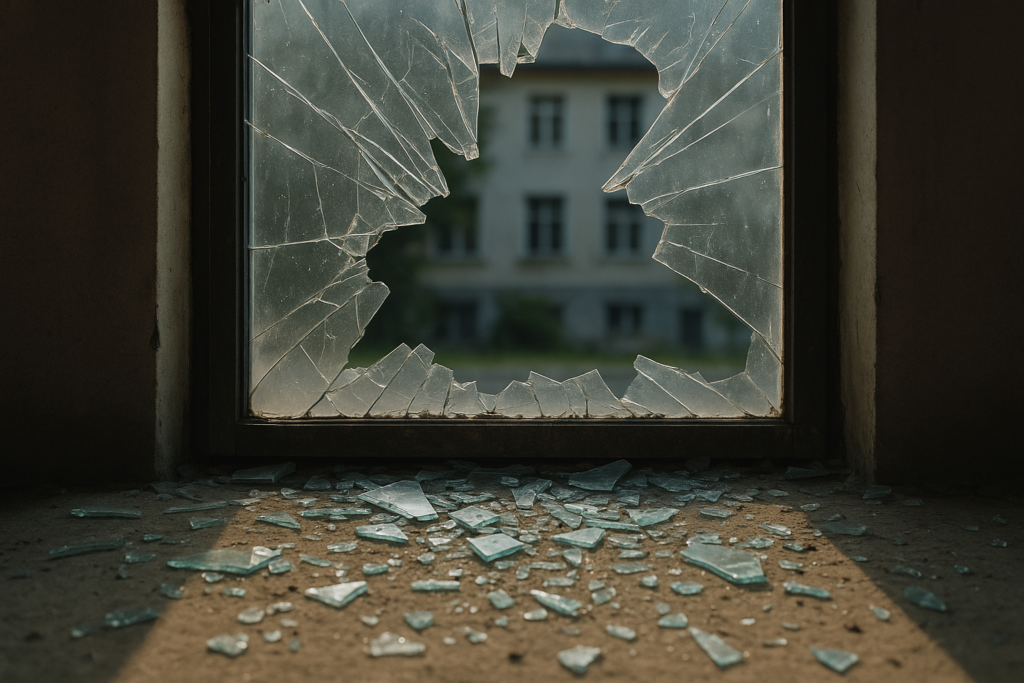
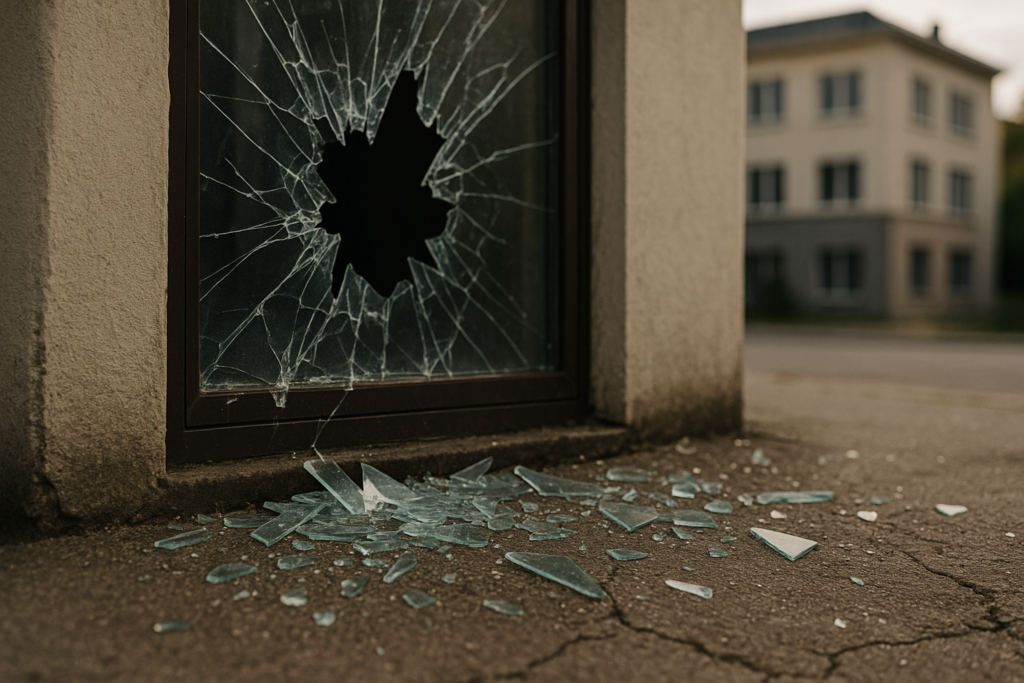
If you searched What is an example of property damage in general liability?, you probably want a straight answer, not a cloud of insurance fog rolling across your kitchen. A simple example is this: your employee damages a customer’s glass storefront while unloading inventory. That is classic third-party property damage under a general liability policy.
Understanding property damage matters because one cracked window can turn into a claim dispute, and one disputed claim can turn a calm Tuesday into a week of stress eating crackers over the sink. For homeowners, landlords, and businesses, the stakes are real. The Insurance Information Institute and Statista both show that property-related losses remain one of the most common drivers of insurance claims in the U.S., and as of 2026, claim scrutiny has not exactly become gentler or more sentimental.
Based on our research, many people mix up damage to their own property with damage they cause to someone else’s property. That distinction is the whole show. If you need help with a Florida loss, Otero Property Adjusting & Appraisals, W Michigan Ave, Pensacola, FL 32526, (850) 285-0405, oteroadjusting.com, offers a free inspection and works on a contingency basis, which means they only get paid when you do.

What is Property Damage?
In insurance and legal terms, property damage usually means physical injury to tangible property or loss of use of that property. The wording appears in many commercial general liability policies, and it sounds neat enough until you picture a forklift shaving the corner off a marble reception desk. Suddenly the phrase gets very clear.
Real property means land and things attached to it, such as walls, floors, roofs, and built-in cabinets. Personal property means movable items, such as furniture, laptops, signs, display cases, and inventory. If a plumber working in an office suite floods the hardwood floor, that is real property damage. If the same leak ruins a tenant’s computer tower and printer, that is personal property damage.
We analyzed recent industry summaries and found that property-related losses make up a large share of liability and homeowners claim activity. A market report cited by insurance analysts found that roughly 60% of many reported liability claim scenarios involved some form of property damage. The Insurance Information Institute has also reported that wind and hail account for a large portion of homeowners losses, while fire and lightning claims remain among the most severe by dollar amount. The FEMA disaster records show thousands of federally declared events over time, and many trigger damage disputes that begin with one basic question: what exactly was damaged, and whose property was it?
That is why What is an example of property damage in general liability? is more than a search phrase. It is the dividing line between a covered third-party claim and a loss that belongs under another policy form.
What is an example of property damage in general liability? Common examples that trigger claims
The short answer to What is an example of property damage in general liability? is damage your business causes to someone else’s physical property. The classic examples are almost insultingly ordinary. A contractor drops a ladder through a skylight. A restaurant employee spills hot grease on a customer’s designer bag. A landscaper sends a rock through a patio door with a mower. Nothing glamorous. Very expensive.
Common examples include:
- Broken windows caused by work crews, deliveries, or flying debris from equipment
- Fire damage that spreads from your leased space to a neighboring unit
- Water damage from faulty installation or accidental overflow
- Vandalism-related liability if your operations contributed to the damage in a covered way
- Vehicle impact damage to fences, gates, walls, or storefronts
- Damage to rented premises, which may have limited coverage depending on the policy wording
Here is how this looks in real life. A homeowner hires a tile installer. The installer stores materials badly, and a stack of stone cracks the wood stairs. That may become a liability claim against the installer. A bakery tenant has an oven fire that scorches the shared wall of a shopping center. The landlord’s damaged wall may fall under the bakery’s general liability claim, while the bakery’s own damaged oven usually does not.
According to the U.S. Small Business Administration, many small firms operate with thin margins, so one property damage claim can sting hard. A survey from commercial insurance marketplaces found that over 50% of small businesses shop for general liability first because landlords and clients often require it. In our experience, the tricky part is not spotting the damage. The tricky part is proving cause, timing, and responsibility before the paperwork starts breeding on the dining table.
Case Study: A Restaurant's Property Damage Claim
A Florida restaurant we studied had the kind of week that makes a person consider a new career in alpaca farming. A dishwasher supply line failed overnight. Water spread across the kitchen, seeped into a shared wall, and damaged flooring and electrical components in the neighboring tenant space. The restaurant owner first assumed the claim would be simple. Water happened. Damage happened. Adults would sort it out. That was optimistic.
The insurer wanted proof of origin, maintenance records, lease obligations, repair invoices, and a timeline of mitigation. The landlord wanted the wall repaired immediately. The neighboring tenant wanted compensation for lost use of their unit. This is where the question What is an example of property damage in general liability? stopped being academic. Damage to the neighboring tenant’s wall and flooring could fall under the restaurant’s liability claim. Damage to the restaurant’s own equipment required separate analysis under property coverage.
The filing process looked like this:
- Document the scene with photos, videos, moisture readings, and witness statements.
- Separate damaged property by owner: landlord property, neighbor property, and restaurant property.
- Review the policy for third-party property damage provisions and exclusions.
- Prepare a detailed estimate with contractor pricing and proof of emergency mitigation.
- Negotiate scope and value with the insurer.
We found that public adjuster involvement improved the claim presentation because the evidence was organized from day one. The final settlement covered a substantial portion of the third-party building damage, though some equipment items had to be pursued under a different part of the insurance program. The lesson was plain: one water event can produce multiple claims paths, and if you treat them all as one lump, you may leave money sitting on the table like an abandoned bread basket.
The Role of General Liability Insurance
General liability insurance is built to cover claims that your business causes bodily injury, property damage, or certain personal and advertising injuries to other people. For this article, the relevant piece is property damage. If your company damages a client’s wall, ceiling, gate, carpet, display case, or plumbing line, this is where general liability often steps onto the stage and clears its throat.
It matters for businesses because leases, vendor agreements, and government contracts often require proof of this coverage. It matters for landlords because tenants without liability insurance can turn a small accident into a legal and financial mess. According to small-business insurance market data published by major carriers and brokers in recent years, general liability remains one of the most commonly purchased commercial policies. Some market surveys place adoption well above 70% among insured small firms, especially in construction, retail, and food service.
The Forbes Advisor business insurance summaries and carrier filings show average premiums often remain modest compared with the cost of even one serious property claim. The National Association of Insurance Commissioners also publishes consumer guidance showing how policy wording and exclusions affect actual payment. Based on our analysis, many business owners carry general liability because a landlord demands it, then never read the part that defines property damage. That is a bit like buying a fire extinguisher and using it as a doorstop.
If you are in Florida in 2026, the need for clear coverage is sharper. Hurricane losses, water intrusion, and contractor disputes keep insurers busy, and a poorly documented claim can get pushed around for months.
People Also Ask: What is an example of property damage in general liability?
People ask this because they want to know whether the policy will actually respond when something breaks, burns, cracks, or soaks through to the other side. Fair enough. Insurance wording has a way of taking a simple event and dressing it in a tuxedo of confusion.
Does general liability cover accidental damage?
Usually, yes, if the accidental damage happened to someone else’s property and the policy does not exclude the cause. If your employee accidentally damages a client’s counter during installation, that is a common liability scenario. If you damage your own tools or building, that usually belongs under commercial property insurance, not general liability.
What should you do after property damage?
First, make the area safe. Second, photograph everything before cleanup changes the scene. Third, identify whose property was damaged and who may be responsible. We recommend creating a same-day evidence file with timestamps, names, receipts, and repair notes because memory gets slippery fast.
Does general liability cover fire damage?
It can cover fire damage to a third party’s property if your business caused the fire and no exclusion applies. Some policies also include limited coverage for damage to premises rented to you, but the language matters. That is one reason we found policy review is often more valuable than people expect.
Can homeowners use a public adjuster for property damage disputes?
Yes. Florida homeowners often hire a public adjuster when losses involve water damage, roof leaks, mold, hurricane damage, or fire. Otero Property Adjusting & Appraisals assists property owners across Florida and offers a free inspection before you commit to anything.
The larger lesson is simple: What is an example of property damage in general liability? usually points to third-party loss, while your own damaged structure or contents usually require a different policy lane.
How to File a Property Damage Claim
Filing a property damage claim is easier if you treat it like evidence collection rather than an emotional diary, though you may still feel tempted to write, “At 2:14 p.m., my patience left the building.” The goal is to prove what happened, when it happened, what was damaged, and why the policy should respond.
Use these steps:
- Stop further damage. Shut off water, board openings, or secure the scene if safe.
- Photograph and video everything. Get wide shots, close-ups, serial numbers, and surrounding conditions.
- List all damaged items and structures. Separate real property from personal property.
- Gather supporting records. Save invoices, contracts, maintenance logs, lease terms, and prior inspection reports.
- Report the loss promptly to the insurer in writing.
- Request and keep the claim number, adjuster contact details, and deadlines.
- Get independent estimates before agreeing to a low scope.
The Consumer Financial Protection Bureau and state insurance departments regularly stress written records and prompt reporting. We analyzed disputed claims and found weak documentation is one of the fastest ways to reduce payment. In our experience, the best evidence includes dated photos, contractor opinions, mitigation bills, and a clean timeline. If the loss is serious or the insurer pushes back, a public adjuster can assemble the valuation, challenge omissions, and negotiate for a fuller payout.
That is where Otero Property Adjusting & Appraisals can help. They inspect damage at no cost, review the policy, and act as your negotiator with the insurance company. In Florida, where storm and water losses often produce layered damage, that support can save weeks of back-and-forth.
Navigating Complexities: Liability vs. Property Damage Insurance
Here is the split that causes most of the confusion. General liability insurance usually covers damage you cause to other people’s property. Property insurance usually covers damage to your own building, business personal property, and sometimes business interruption. If you blur those two, you can spend days filing under the wrong part of the policy and wondering why everyone sounds so pleased to put you on hold.
Example one: a painter spills solvent on a client’s hardwood floor. That is a likely general liability claim. Example two: the painter’s own sprayer and ladders are stolen from the shop. That is a business personal property issue, not general liability. Example three: a small office has a pipe burst and its own drywall, desks, and server are damaged. Again, that usually falls under property coverage, though liability may come into play if a neighboring suite is also damaged.
Based on our research, this distinction becomes more important in mixed-use properties, leased spaces, and contractor losses. Landlords, tenants, and vendors may each have separate policies, deductibles, and duties after a loss. The IRS may not help you with coverage questions, but it certainly reminds business owners to keep clean records of property, improvements, and losses. In 2026, as claim reviews remain document-heavy, you should know exactly which policy pays for which kind of damage. If you do not, the insurer will know, and that imbalance rarely ends in your favor.
Gaps in Coverage: What Isn’t Covered by General Liability?
General liability is useful, but it does not cover everything that can go wrong with your property or your life. If it did, the premium would likely require a second mortgage and a soothing chair in the corner. Most policies exclude damage to your own property, expected or intentional damage, certain contractual liabilities, professional errors, pollution-related losses, and many auto-related incidents.
Florida property owners should pay close attention to natural disaster gaps. Flood is a famous exclusion under many standard property forms and is not something general liability quietly picks up out of kindness. The FloodSmart/NFIP program explains that flood insurance is separate. Earth movement can also be excluded. Mold may be limited or excluded depending on cause, policy wording, and endorsements. Hurricane-related losses can produce coverage fights over wind, water, wear and tear, and pre-existing conditions.
Here are common gaps to watch:
- Your own building damage
- Flood and storm surge
- Wear and tear or maintenance issues
- Faulty workmanship in some contexts
- Pollution and contamination
- Auto liability losses
We recommend reviewing whether you need separate commercial property insurance, builder’s risk, flood insurance, equipment breakdown, or umbrella coverage. In our experience, homeowners and business owners discover these gaps after the loss, which is the insurance version of reading the recipe after the cake collapses.
Taking Action After Property Damage
You do not need a law degree, a construction background, or nerves of steel to handle a property damage loss well. You do need clarity. Start by asking the right question: What is an example of property damage in general liability? If the damage was done to someone else’s property by your business or operations, general liability may respond. If the damage was to your own building, inventory, equipment, or home, another policy likely applies.
We found three habits make the biggest difference. First, document everything at once. Second, separate third-party damage from your own property damage. Third, get professional help before the claim story hardens into the insurer’s version of events. That matters in Florida, where hurricane damage, water intrusion, roof leaks, mold, and kitchen fires often create overlapping causes and coverage disputes.
If you want help from a licensed Florida public adjuster, contact Otero Property Adjusting & Appraisals. They serve homeowners across Florida from 3105 W Michigan Ave, Pensacola, FL 32526. Call (850) 285-0405 or visit https://oteroadjusting.com/. Their team offers a free inspection and consultation, with no hidden fees, and they only get paid when you do. Whether the damage comes from a hurricane, pipe leak, mold, roof failure, or a small kitchen fire that suddenly becomes everyone’s business, Otero can review the loss and help you push for the compensation your policy allows.
Insurance is paperwork until it is your paperwork. Then it becomes personal. That is the moment to act quickly, stay organized, and bring in someone who knows how claims really move.
Frequently Asked Questions (FAQ)
What types of damages are covered under general liability?
General liability typically covers third-party bodily injury, third-party property damage, and some personal or advertising injury claims. A practical answer to What is an example of property damage in general liability? is a contractor breaking a customer’s window during a job.
How can you increase your chances of a successful claim?
Report the loss quickly, keep written records, take clear photos, save invoices, and get repair estimates. We recommend organizing the claim by date, cause, damaged property owner, and dollar amount.
What should you do immediately after property damage occurs?
Make the area safe, stop further damage if possible, document everything, and notify the insurer. Do not throw away damaged items until they are inspected unless safety requires removal.
How does a public adjuster assist in property damage claims?
A public adjuster reviews the policy, inspects the damage, prepares the estimate, and negotiates with the insurance company on your behalf. Based on our analysis, this is especially useful when the insurer disputes scope, cause, or value.
Is there a time limit for filing a property damage claim?
Usually yes. The deadline depends on the policy and state law, and Florida timing rules can matter a great deal after storms and water losses. The safest move is to report promptly and ask a licensed professional to review the timeline.

Frequently Asked Questions
What types of damages are covered under general liability?
General liability usually covers third-party property damage. That means damage you or your business cause to someone else’s property, such as a contractor cracking a client’s tile floor or an employee backing into a customer’s fence. It does not usually pay for damage to your own building or equipment.
How can I increase my chances of a successful claim?
Start fast. Take photos, save receipts, get witness statements, and report the loss in writing. Based on our research, the strongest claims usually have a clear timeline, dated images, repair estimates, and policy-specific documentation. A public adjuster can help you present the claim in a way the insurer can review without guesswork.
What should I do immediately after property damage occurs?
Protect people first, then stop further damage if you can do so safely. Photograph the area, keep damaged items, write down what happened, and notify the insurer right away. If the facts are disputed, we recommend getting a public adjuster involved early so evidence does not disappear.
How does a public adjuster assist in property damage claims?
A public adjuster works for you, not the insurance company. They inspect damage, review the policy, prepare estimates, organize evidence, and negotiate the claim. In our experience, that is especially helpful when the loss is large, the cause is disputed, or the first offer looks too low.
Is there a time limit for filing a property damage claim?
Yes, there is often a time limit, but the exact deadline depends on the policy, the type of loss, and state law. In Florida, timing can become especially important after hurricanes, plumbing losses, or hidden damage claims. We recommend reading the policy notice requirements and speaking with a licensed professional before the clock turns into a problem.
Key Takeaways
- Property damage in general liability usually means damage your business causes to someone else’s property, not damage to your own building or contents.
- The strongest claims have fast reporting, clear photos, repair records, witness details, and a clean timeline that separates each owner’s damaged property.
- Florida losses often involve overlapping issues such as wind, water, mold, and fire, so policy review and claim strategy matter more in than many owners expect.
- A public adjuster can help you document, value, and negotiate a disputed or underpaid property damage claim.
- Otero Property Adjusting & Appraisals offers free inspections across Florida and only gets paid when you do, making it a practical next step after a loss.