
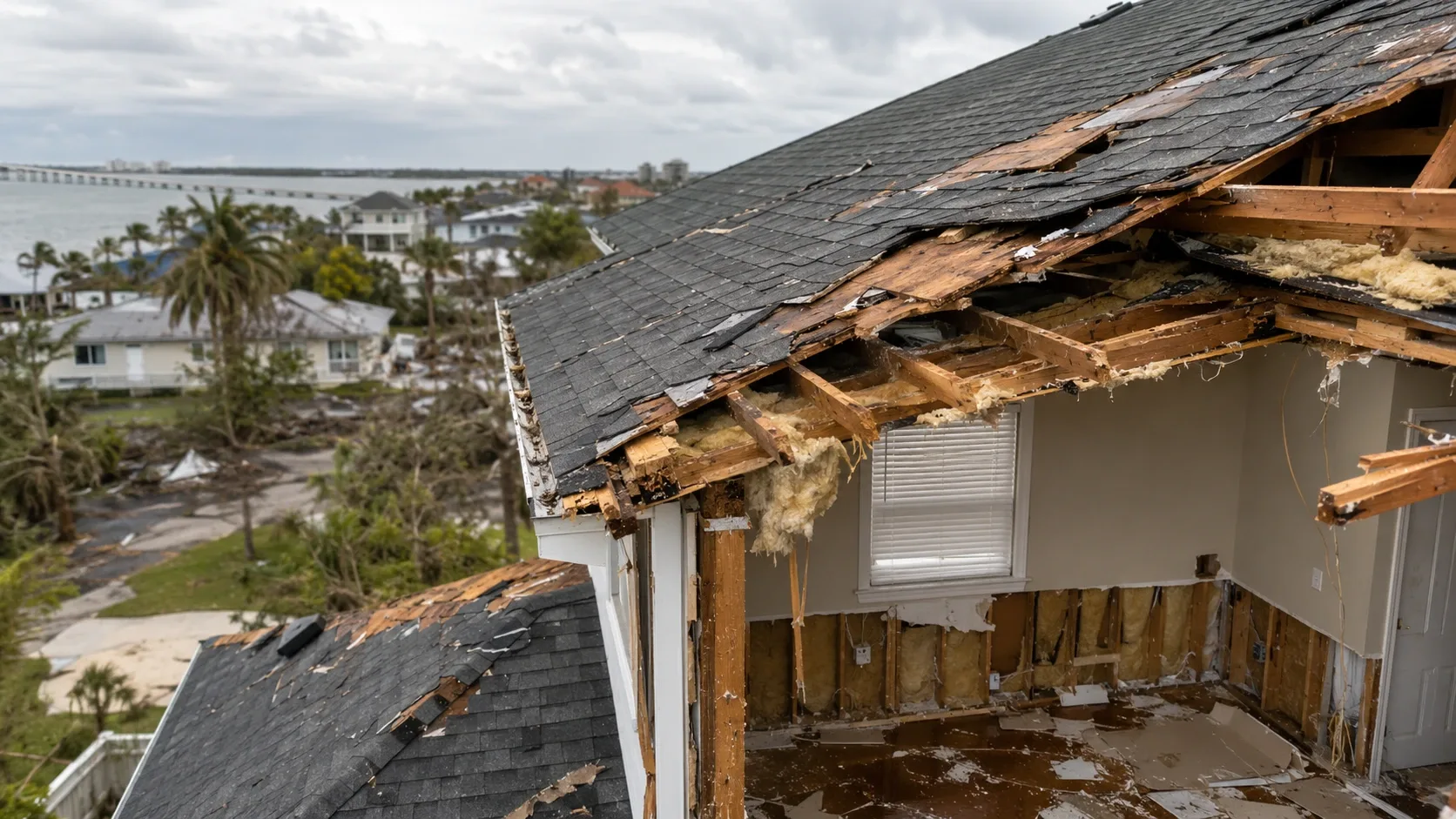
When your property sustains serious damage, the insurance company sends an adjuster quickly. That speed is intentional. A fast initial offer, accepted before you’ve had time to assess the full scope of damage, closes the claim at the lowest defensible number. A public adjuster works exclusively for you, not the insurer, to document everything the initial inspection missed and negotiate toward what you’re actually owed.
Key Takeaways
- Public adjusters represent the policyholder, not the insurance company, and work to close the gap between the initial offer and the actual cost of repair.
- The earlier a public adjuster is engaged, the stronger the documentation and the harder it is for an insurer to minimize or exclude portions of your claim.
- Otero Property Adjusting & Appraisals has 7+ years of experience serving Florida homeowners and business owners from Miami to Pensacola, with five-star reviews and no upfront costs.
- Timelines depend on claim complexity, insurer responsiveness, and whether a formal dispute process is triggered.
- Accepting a settlement before understanding your full coverage is typically the most expensive decision a policyholder makes.
What Does a Public Adjuster Actually Do on Your Behalf?
The insurance company’s adjuster is employed by or contracted to the insurer. Their job is to document the claim and assess what the policy covers from the insurer’s perspective. That’s not a character flaw. It’s the assignment.
A public adjuster’s assignment is different. They’re licensed, they work exclusively for you, and their job is to close the gap between what you were offered and what your policy actually supports.
Otero Property Adjusting & Appraisals starts every engagement with a free consultation to understand the damage and review the claim. From there, the team conducts a detailed inspection, documents all visible damage, reads the full policy including every endorsement and exclusion, prepares repair estimates tied to policy language, and manages all communication with the carrier. You don’t have to navigate any of it alone.
Understanding how the claim process works from the insurer’s side helps explain why professional representation changes the outcome. The insurer’s process is designed to move efficiently toward resolution. Yours should be designed to move toward accuracy.
Why Does the Initial Offer So Often Come Up Short?
The insurer’s adjuster isn’t inspecting your property with the goal of finding everything. They’re documenting what’s visible and what the policy covers at the lowest supportable interpretation.
Secondary damage is where initial offers most commonly fall short. Consider a typical scenario: a Pensacola homeowner files a hurricane claim after roof damage and interior water intrusion. The insurer’s offer covers the visible roof repairs but doesn’t account for water that penetrated the building envelope and affected insulation, framing, or interior finishes. Whether that secondary damage is covered often turns on how “resulting damage” is defined in the policy, and whether anyone documented the physical connection between the roof failure and the interior damage before repairs began.
That’s the kind of analysis a public adjuster performs. It’s not about inflating a claim. It’s about making sure the claim reflects what actually happened and what the policy was written to cover.
What damages you can claim under a standard homeowner’s policy is more expansive than most policyholders realize until someone reads the document carefully on their behalf.
How Do You Know If Your Claim Is Worth Contesting?
Not every initial offer has a meaningful gap. But several signals suggest your claim may be worth a closer look.
The first is a contractor estimate that’s materially higher than the insurer’s figure. Contractors price repairs in the real market. Insurer estimates are sometimes built on unit costs that don’t reflect current labor and material pricing in your area.
The second is visible damage the insurer’s adjuster didn’t document. If the inspection was brief, or if the adjuster only walked one area of the property, there’s a real chance portions of the damage weren’t captured.
The third is secondary damage, specifically water intrusion, mold growth, or smoke spread that occurred as a direct result of the primary event. These are the claims that require the most documentation and the most thorough policy review, and they’re also the ones most commonly underpaid on the first pass.
If any of these apply to your situation, knowing what not to say to an adjuster before you have professional representation in place matters more than most people realize. Statements made during early conversations can limit your options later.
What Drives the Timeline on a Florida Property Claim?
This is the question most homeowners ask right after “will it help?”
Timelines vary based on how complex the claim is, how responsive the insurer is, and whether a formal dispute process gets triggered. Florida’s insurance statutes set procedural deadlines for insurers around acknowledging claims and responding to proof of loss submissions, though the specific timeframes should be confirmed with a licensed professional familiar with current Florida law, as regulatory language can change.
What’s consistent is this: the quality of documentation at the front end of a claim directly affects how quickly it moves at the back end. When a public adjuster submits a thorough, well-organized proof of loss, the insurer’s most common delay tactic, requesting more information, becomes harder to use. A complete, well-documented submission compresses the negotiation phase because there’s less room to dispute what was submitted.
For straightforward residential claims in Florida, resolution after a public adjuster engages may typically take several months, though complex claims, those involving significant structural damage, business interruption coverage, or disputes over scope, can take longer. Anyone who promises a specific dollar figure or a firm timeline before reviewing your policy and inspecting the damage isn’t being straight with you.
If a dispute over the amount of loss does develop, Florida property policies typically include an appraisal clause. Each party selects an appraiser, and the two appraisers jointly select an umpire. The umpire’s decision on disputed items is binding. This process adds time, but it gives policyholders a formal avenue for resolving disagreements that would otherwise stall indefinitely. A public adjuster familiar with this process can position your claim strategically before it reaches that stage, not just after.
Going It Alone vs. Working With Otero: What the Difference Looks Like
| Factor | Handling the Claim Yourself | Working With Otero Property Adjusting |
|---|---|---|
| Policy review | You read it without professional context | Full review by an experienced adjuster |
| Damage documentation | Personal photos and notes | Professional inspection and written scope of loss |
| Repair estimates | Contractor quotes not tied to policy language | Adjuster-prepared estimates aligned with coverage |
| Insurer communication | You manage every conversation | Handled entirely on your behalf |
| Negotiation | You accept or reject without leverage | Active, documented negotiation by your advocate |
| Upfront cost | None | None (contingency basis) |
| Risk of missing covered damage | High | Significantly lower |
The upfront cost column looks the same. The risk column doesn’t.
Otero Property Adjusting & Appraisals works on a contingency basis, meaning you owe nothing unless a settlement is recovered. Their incentive is directly aligned with yours. A better outcome for you is a better outcome for them.
What Types of Claims Does Otero Handle Across Florida?
Otero Property Adjusting & Appraisals handles hurricane and storm damage, fire and smoke damage, and water damage claims for homeowners and small business owners across Florida. They’re based in Pensacola and serve the full state, from Miami north through the Panhandle.
For fire-related claims, understanding what fire insurance typically covers and whether negligence affects your coverage are important early questions. For water damage situations, knowing how to recover from water damage while the claim is still active is easier when someone else is managing the insurance side of the process.
Mold that appears after water damage is a specific coverage question worth addressing before accepting any settlement. Whether mold is covered under home insurance depends heavily on what caused it and how the policy language treats it, which is exactly the kind of policy interpretation a public adjuster handles directly.
Professional representation produces its strongest outcomes when the gap between the insurer’s offer and the actual cost of repair is meaningful. For claims where the insurer’s initial offer genuinely covers all visible and secondary damage at replacement cost, the math looks different. Otero won’t manufacture coverage that isn’t in your policy, and they won’t promise a specific outcome before reviewing the facts. Their five-star service record, built over 7+ years of Florida claims work, reflects honest representation, not inflated expectations.
FAQ
How do I know if the insurance company’s offer is too low?
The most reliable signal is a gap between the insurer’s estimate and what a contractor says it will actually cost to repair the damage in the current market. If the insurer’s adjuster didn’t inspect every affected area, or if secondary damage from the primary event isn’t included in the offer, those are strong indicators the number doesn’t reflect the full scope. A free consultation with a public adjuster gives you an independent read on whether the gap is real.
What does a public adjuster charge in Florida?
Public adjusters in Florida work on a contingency fee basis, meaning they receive a percentage of the settlement they recover for you. There’s no upfront cost. If no additional money is recovered, you don’t owe a fee. The fee percentage is regulated under Florida law and varies based on claim type and timing. Otero Property Adjusting & Appraisals walks through this with you during the free consultation before any agreement is signed.
Can I still hire a public adjuster after receiving an initial offer?
Yes, provided you haven’t signed a full and final release. If you’ve received an offer but haven’t closed out the claim in writing, a public adjuster can still engage and negotiate. If you’ve signed any partial release or non-waiver agreement, the situation requires a more careful review. The critical point is to get professional input before signing anything that closes the claim.
How is a public adjuster different from the insurance company’s adjuster?
The insurance company’s adjuster works for or on behalf of the insurer. A public adjuster is hired by and works exclusively for you. They inspect the same damage but with a different objective: capturing everything that supports the maximum legitimate settlement under your specific policy terms.
Does hiring a public adjuster make the claim take longer?
A thorough inspection and documentation process does take more time upfront than a brief walkthrough. But that investment at the front compresses the back end by removing the insurer’s most common delay tactic, which is requesting more information. A well-documented claim moves through negotiation faster than an incomplete one, even if it takes longer to build initially.
What happens if the insurer and I can’t reach agreement on the settlement amount?
Most Florida property insurance policies include an appraisal clause that creates a formal process for resolving disputes over the amount of loss. Both parties select an appraiser, and those two appraisers jointly select an umpire. The umpire’s decision on disputed items is binding on both parties. A public adjuster who understands this process can prepare your claim to withstand scrutiny before it reaches that stage and represent your interests through it if it does.
What if I’m not sure whether my damage qualifies?
The free consultation is the right place to find out. Otero Property Adjusting & Appraisals reviews the damage and the claim before any agreement is made. If the situation doesn’t warrant professional representation, they’ll tell you. If it does, you’ll know what the process looks like before committing to anything.
The most expensive decision in a property damage claim isn’t hiring professional representation. It’s accepting a settlement that doesn’t cover what you’re actually owed and discovering that six months later when the repair bills come in.
Otero Property Adjusting & Appraisals is based in Pensacola and serves homeowners and business owners across Florida. The consultation is free. The representation costs nothing unless they recover more for you. If your claim is still open, call 850-285-0405 or visit the Florida public adjuster services page to get started.