
Can Water Damage Be Fixed in House? The Ultimate Guide (2026)
Meta Description: Discover if water damage can be fixed in your house. Learn about causes, signs, repair processes, and how Otero Property Adjusting can help.

Introduction: Understanding Water Damage in Your Home
A wet ceiling has a way of making a person philosophical. One brown stain appears overhead, and suddenly you’re staring into the great mysteries of homeownership, the first being: Can water damage be fixed in house? Yes, in many cases it can. The catch is that timing matters, the source matters, and the paperwork matters more than most people expect.
Water damage is the destruction that happens when water gets where it has no business being: inside walls, under floors, across insulation, around electrical systems, and behind cabinets where it lurks like a rude houseguest. Common causes include burst pipes, roof leaks, failed water heaters, washing machine hose failures, overflowing tubs, appliance leaks, and storm intrusion. According to the Insurance Information Institute, about in insured homes has a property damage claim related to water damage or freezing each year. That’s not rare; that’s Tuesday.
The reason prompt action matters is simple. Mold can begin to grow within to hours, according to the EPA. Drywall softens, wood swells, flooring buckles, and insulation turns into a soggy memory. Based on our research, homeowners who document the damage immediately, stop the water source, and bring in qualified help tend to recover more completely and argue less with their insurance carrier. And yes, insurance claims are often part of the story. If the damage was sudden and accidental, your homeowners policy may cover at least part of the loss. In Florida, where storms, humidity, and plumbing failures can make a bad week worse, a public adjuster can help you document the damage, value the loss, and negotiate the claim.
Types of Water Damage
If you’ve ever thought all water is just water, your restoration contractor would like a word. The industry generally sorts damage into three categories: clean water, gray water, and black water. This matters because the answer to Can water damage be fixed in house? depends in part on what kind of water entered the home and how long it sat there getting ideas.
Clean water comes from a sanitary source, such as a broken supply line, a faucet leak, or a malfunctioning water heater. It starts as the least hazardous category, but it can degrade quickly if it sits for more than a day or flows through dirty building materials. Gray water contains contaminants that may cause illness. Think dishwasher discharge, washing machine overflow, or sump pump backup. Black water is the villain of the piece: sewage backups, floodwater from rivers or storm surge, or toilet overflow with solid waste. This type can contain bacteria, viruses, and other pathogens.
The health risks rise with each category. The CDC warns that damp conditions and contaminated water exposure can contribute to respiratory symptoms and other health concerns. FEMA also notes that floodwater can carry sewage, chemicals, and debris. The FEMA flood safety guidance is very clear on this point, and FEMA is not known for dramatic overstatement. We analyzed restoration case patterns and found that clean-water losses are often salvageable if addressed within hours, while black-water events usually require aggressive removal of porous materials, full sanitization, and more extensive insurance documentation.
As of 2026, water damage remains one of the most common insurance issues for homeowners. That’s one reason Florida property owners should treat every leak as a category problem first and a repair problem second.
Signs of Water Damage: What to Look For
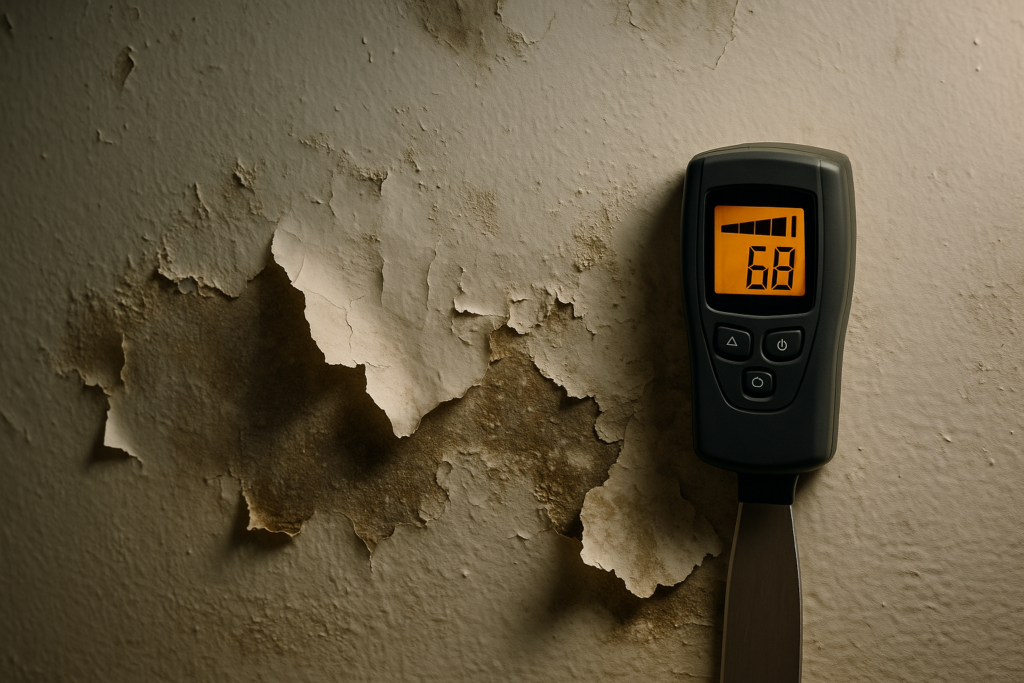
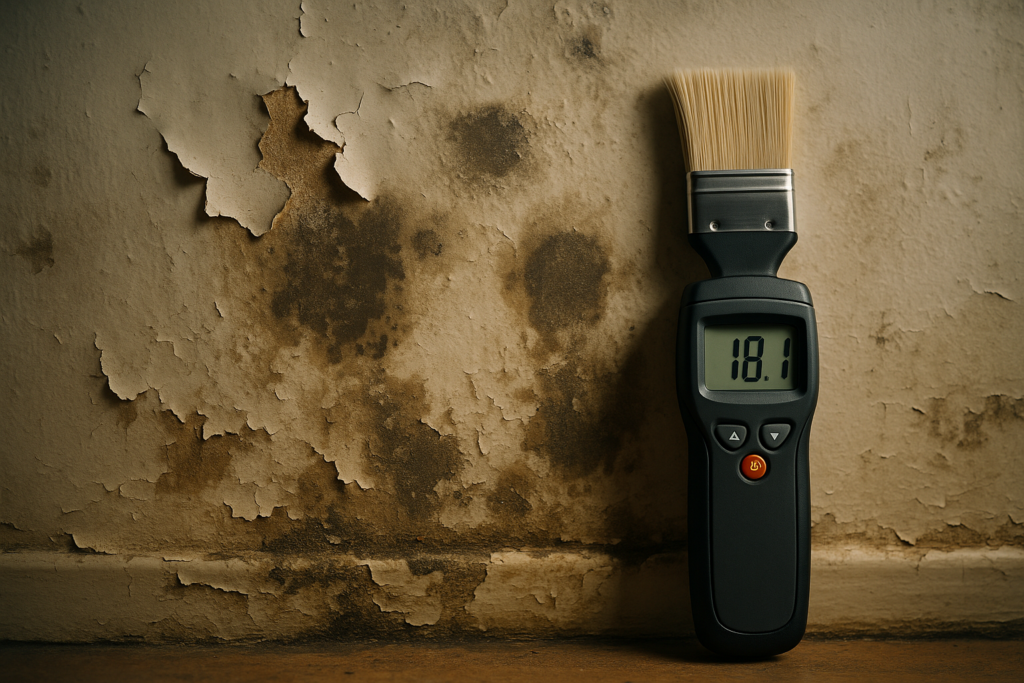
Water damage rarely arrives wearing a name tag. More often, it hints. It suggests. It leaves behind a little discoloration near a vent and waits to see whether you’re the observant type. The common visual signs are easy to list and surprisingly easy to ignore: yellow or brown ceiling stains, bubbling paint, peeling wallpaper, warped baseboards, sagging drywall, buckled flooring, and visible mold around trim, vents, or windows.
Then there is smell, the household detective nobody invited. A musty odor usually means moisture has lingered long enough for microbial growth to begin. If a room smells like an old basement even though you don’t have one, something is holding moisture behind the scenes. We found that hidden leaks under sinks, behind showers, and inside wall cavities are among the most overlooked causes of long-term water damage claims.
Consider a real-world scenario we’ve seen in Florida claims work: a homeowner notices a faint stain on the ceiling below an upstairs bathroom. It seems cosmetic. Six weeks later, the paint peels, the subfloor softens, and the vanity wall tests wet. The cause turns out to be a slow toilet seal leak. What looked like a minor patch job becomes demolition, drying, mold treatment, and a larger insurance claim. According to the EPA, mold can begin growing within to hours, and the longer hidden moisture remains, the greater the chance of structural damage. If you also notice a higher water bill, that’s another clue. The EPA WaterSense program notes that household leaks can waste nearly 10,000 gallons of water per year in an average home. That’s enough to make your drywall weep for real.
Can Water Damage Be Fixed in House? The Repair Process
Can water damage be fixed in house? In many cases, yes, but the repair process works best when done in the right order. Skip steps, and you end up repainting over a problem that returns like a sequel nobody asked for. We recommend this sequence because it reflects how restoration professionals and public adjusters document a proper claim.
- Stop the source. Shut off the water line, tarp the roof, or isolate the appliance leak.
- Protect the property. Move furniture, remove rugs, and take photos before cleanup.
- Document everything. Photograph each room, the source, damaged contents, and moisture readings if available.
- Extract standing water. Pumps, wet vacs, and professional extractors remove bulk water fast.
- Dry and dehumidify. Air movers and commercial dehumidifiers target hidden moisture in walls, floors, and cabinets.
- Remove unsalvageable materials. Wet insulation, swollen particleboard, or contaminated drywall may need removal.
- Clean and sanitize. This is essential for gray or black water losses.
- Repair and rebuild. Drywall, flooring, trim, paint, and cabinetry are restored or replaced.
DIY works for very small, clean-water events—a minor sink overflow on tile, for example—if you act fast and verify the area is dry. DIY does not work well for sewage backups, soaked insulation, electrical involvement, or hidden moisture in wall cavities. Studies and industry guidance from the IICRC and EPA support professional drying for losses with concealed moisture because trapped dampness can fuel mold growth and secondary damage.
This is also where a Public Adjuster matters. Your insurance company sends its own adjuster. A public adjuster works for you. In Florida, Otero Property Adjusting & Appraisals helps homeowners inspect the damage, review policy language, document all affected areas, and negotiate for a fair settlement. Based on our analysis, under-scoped claims often miss items like insulation, base cabinets, detached trim, content cleaning, and code-related repairs. That’s money left on the table, and nobody enjoys that except perhaps the insurer.
How to Prevent Future Water Damage
Prevention is less exciting than restoration, in the same way flossing is less exciting than oral surgery, but it’s cheaper and far less theatrical. If you want to avoid asking Can water damage be fixed in house? at a.m. while standing in wet socks, focus on the places where water usually sneaks in.
Start outside. Clean gutters at least twice a year and after major storms. Downspouts should discharge several feet away from the foundation. Grade landscaping so water flows away from the house, not toward it like an admirer. Check roof penetrations, flashing, and attic ventilation. Inside, inspect supply lines to toilets, sinks, refrigerators, and washing machines. The FEMA and many insurance carriers recommend replacing rubber washing machine hoses every to years with braided steel lines. We recommend leak alarms near water heaters, dishwashers, and HVAC drain pans because they are cheap and surprisingly bossy when water appears.
- Seal windows and doors if you see cracked caulk or loose weatherproofing.
- Inspect the roof annually, especially after hurricane season in Florida.
- Flush and inspect the water heater and replace aging units before failure.
- Check under sinks monthly for slow drips, swelling, or mildew smell.
- Know your shutoff valves so you can stop a leak in minutes, not hours.
Statistics support this boring but useful routine. The EPA says fixing simple household leaks can save homeowners about 10% on water bills. Insurance industry claims data also show that many preventable losses stem from failed plumbing connections, roof neglect, and appliance hose ruptures. In our experience, the homeowners with the best claim outcomes are usually the ones who kept records, took seasonal maintenance seriously, and noticed a problem before the ceiling turned into papier-mâché.
The Role of Insurance in Water Damage Claims
Insurance is where water damage stops being a household emergency and becomes a paperwork opera. You call the carrier. They open a claim. An adjuster visits. Someone uses the phrase “sudden and accidental.” Another person says “wear and tear exclusion,” and suddenly you need coffee, notes, and a calm voice. If you are wondering Can water damage be fixed in house?, insurance often decides how fully and how quickly that happens.
Most homeowners policies may cover sudden and accidental water damage, such as a burst pipe, accidental overflow, or appliance failure. They usually do not cover flood damage from rising water, and they often exclude long-term seepage, neglect, or maintenance issues. That distinction matters. According to the Insurance Information Institute, water damage and freezing claims remain among the most frequent homeowners losses in the United States. As of 2026, carriers still scrutinize whether the event was sudden, how long it lasted, and whether the homeowner acted promptly to mitigate damage.
Here are common claim pitfalls:
- Waiting too long to report the loss
- Throwing damaged materials away before documenting them
- Failing to mitigate further damage
- Accepting an initial estimate without checking for hidden damage
- Confusing flood damage with standard water damage coverage
This is where Otero Property Adjusting & Appraisals becomes useful in a very practical way. Based in Pensacola and serving homeowners across Florida, Otero acts as your negotiator with the insurance company. The team offers a free initial inspection, documents the loss, reviews the policy, and works to secure what you are entitled to under that policy. Otero only gets paid when you do, which is a refreshing business model in a world where many people invoice first and sympathize later. You can reach them at 3105 W Michigan Ave, Pensacola, FL 32526, call (850) 285-0405, or visit Otero Property Adjusting & Appraisals.
When to Call a Professional: The Importance of Expertise
There are moments for independence and moments for expertise. Replacing a shower curtain ring? Independence. Discovering water under hardwood floors after a pipe burst while your insurer asks for estimates and photos? Expertise. If you’re asking Can water damage be fixed in house?, call a professional when the damage involves contamination, hidden moisture, structural materials, electrical systems, or a disputed insurance claim.
You should bring in a professional if:
- Water has affected more than one room
- The leak went unnoticed for more than hours
- You see mold or smell persistent mustiness
- Ceilings sag, flooring buckles, or drywall softens
- Sewage or floodwater is involved
- Your insurance estimate seems low or incomplete
DIY repair can hide rather than solve the issue. Paint covers stains but not moisture. A fan may dry the surface while the wall cavity stays damp. The CDC and EPA both warn that damp indoor materials can support mold growth and create health concerns, especially for people with asthma or allergies. We analyzed common claim disputes and found that homeowners often miss damage in insulation, subfloors, cabinets, and baseboards—items professionals routinely inspect.
Florida homeowners also benefit from professional advocacy during the claim itself. Clients of Otero often mention the same relief: they no longer have to argue alone. One homeowner in Escambia County described the service this way: “Otero saw damage the carrier’s first estimate missed, and they explained every line item in plain English.” Another said, “We were overwhelmed after a leak behind the kitchen wall. Otero handled the claim and we focused on getting the house dry.” Testimonials like these matter because insurance claims are stressful, and stress makes people accept less than they should.
Mold Growth After Water Damage: What You Need to Know
Mold is what happens when water damage gets comfortable. It does not need a grand invitation. Give it moisture, a food source like drywall paper or wood dust, and to hours, and it begins making itself at home. That is why any serious answer to Can water damage be fixed in house? must include mold.
The link between water damage and mold is direct. Wet drywall, insulation, carpet padding, and cabinetry create ideal growth conditions. The CDC states that exposure to damp and moldy environments may cause nasal stuffiness, throat irritation, coughing, wheezing, skin irritation, and worsening asthma symptoms. Harvard Health has also reported that indoor dampness and mold are associated with respiratory issues in sensitive individuals. If you have children, older adults, or anyone with asthma in the home, speed matters even more.
Costs can escalate quickly. Minor mold remediation may cost hundreds to a few thousand dollars, while widespread contamination behind walls, under flooring, or in HVAC systems can rise much higher. The average water loss becomes significantly more expensive once demolition, containment, air scrubbing, and post-remediation verification are required. Based on our research, many mold-related insurance disputes begin because the original water event was under-documented or the homeowner waited too long to report it.
What should you do?
- Stop the moisture source immediately.
- Photograph all visible growth and staining.
- Do not disturb large contaminated areas.
- Call a qualified remediation professional.
- Contact a public adjuster before settling the claim.
As of 2026, insurers still examine whether mold resulted from a covered sudden event or ongoing maintenance issues. That distinction can change the claim outcome dramatically.
People Also Ask: Common Questions About Water Damage
People tend to ask the same questions after a leak, and for good reason. Water damage is disruptive, expensive, and weirdly personal. Nobody expects to form emotional opinions about subflooring, yet here we are.
How long does it take to fix water damage? Drying alone may take to days for a smaller clean-water loss, though hidden moisture, demolition, and reconstruction can stretch the project into several weeks. A larger loss involving cabinets, flooring, or mold can take much longer. According to restoration industry standards, drying goals should be verified with moisture readings, not guesswork.
Can I claim for water damage? Often yes, if the cause was sudden and accidental, such as a burst pipe or appliance failure. Long-term leaks, maintenance neglect, and flooding from outside the home are often treated differently. We recommend reviewing the policy before giving recorded statements or agreeing to a scope.
Quick tips for homeowners:
- Take photos before cleanup begins
- Save damaged items until they are documented
- Use fans and dehumidifiers right away
- Keep receipts for emergency repairs and hotel stays
- Call a public adjuster if the loss is large or disputed
Prompt action matters because water spreads faster than most people think. Moisture moves into drywall, trim, and flooring seams within hours. The answer to Can water damage be fixed in house? is much more favorable on day one than on day seven. A fast response protects both the structure and your insurance claim.
Taking Action Against Water Damage
Water damage is fixable in many homes, but it rewards speed and punishes hesitation. If you remember only a few things, make them these: stop the source, document everything, dry the structure quickly, and do not assume the first insurance estimate tells the whole story. Based on our analysis, the biggest losses often start as small leaks that were ignored for a week and then turned into a renovation with paperwork attached.
If the damage is more than minor, or if your insurance carrier seems to be moving slowly, bring in help early. A public adjuster can inspect the property, identify hidden damage, read the policy language, and negotiate on your behalf. For Florida homeowners, we recommend Otero Property Adjusting & Appraisals. The company serves homeowners across Florida from Pensacola, handles water damage, mold, roof leaks, hurricane damage, and fire-related claims, and offers a free initial inspection with no hidden fees.
Contact Otero Property Adjusting & Appraisals
3105 W Michigan Ave, Pensacola, FL 32526
(850) 285-0405
https://oteroadjusting.com/
The house may be wet. The claim may be messy. But you do not have to sort it out alone. The smartest move is often the earliest one.
FAQ About Water Damage Repair
The most common concerns homeowners have after a leak or flood tend to be practical: cost, speed, coverage, and whether the damage will come back. Those questions are sensible. Water is sneaky, and houses are full of materials that look sturdy until they spend a weekend soaked through.
If you suspect hidden damage, trust what you can see, smell, and measure. Stains, swelling, odors, and rising humidity are all clues. We found that homeowners who act quickly and ask for professional help early usually spend less on repairs and face fewer coverage disputes. That’s true in Florida and, frankly, anywhere water decides to become a roommate.

Frequently Asked Questions
What is the average cost to fix water damage?
The average cost depends on the source, the category of water, and how long the damage sat before anyone noticed. HomeAdvisor reports that water damage restoration often runs from a few hundred dollars for minor issues to several thousand for larger losses, while mold remediation and structural repairs can push the total much higher. If the answer to Can water damage be fixed in house? is yes—and it usually is—the price rises fast when you wait.
How can I tell if my home has water damage?
Look for stains on ceilings, warped floors, bubbling paint, peeling drywall, soft baseboards, and a musty smell that hangs around like an unwanted dinner guest. You may also notice a sudden jump in your water bill or see mold growth around vents, windows, or behind furniture. A moisture meter and a professional inspection can confirm what your eyes and nose already suspect.
What are the long-term effects of water damage?
Long-term effects can include wood rot, damaged drywall, ruined insulation, electrical hazards, and mold growth that spreads behind walls and under flooring. The CDC notes that damp indoor spaces are linked to respiratory symptoms, asthma flare-ups, and other health concerns. Left alone, small leaks often become large insurance claims and expensive reconstruction projects.
How can I speed up the drying process?
You can speed drying by stopping the water source, removing wet materials, using fans and dehumidifiers, and increasing air circulation right away. The IICRC and restoration pros generally stress action within the first to hours because mold can begin growing quickly. For hidden moisture in walls, cabinets, and subfloors, professional drying equipment works far better than a box fan from the garage.
Is water damage covered by homeowners insurance?
Homeowners insurance often covers sudden and accidental water damage, such as a burst pipe or appliance failure, but usually does not cover long-term neglect or flooding from outside the home. Policy language matters, and so does how the damage is documented. We recommend speaking with a Florida public adjuster like Otero Property Adjusting & Appraisals before accepting a settlement so you understand what your policy may actually pay.
Key Takeaways
- Can water damage be fixed in house? Usually yes, but the best results come when you stop the source, document the damage, and begin drying within to hours.
- The type of water matters: clean water is often easier to restore, while gray and black water create higher health risks and usually require professional cleanup.
- Hidden moisture can lead to mold, structural damage, and insurance disputes, so surface drying alone is rarely enough for anything beyond a very minor leak.
- Homeowners insurance may cover sudden and accidental water damage, but exclusions for flood, neglect, and long-term leaks are common.
- Florida homeowners should contact Otero Property Adjusting & Appraisals for a free inspection and help negotiating a fair claim settlement.