
Introduction: Understanding Claim Denials
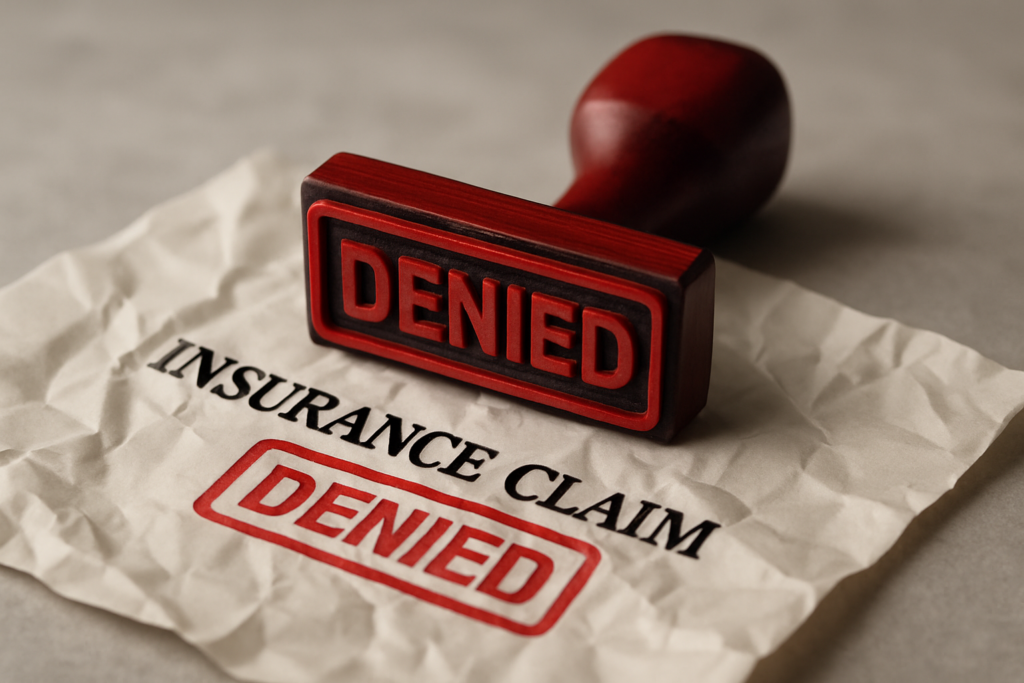
Claim denial, in the insurance world, is when an insurer refuses to pay for a claim submitted by a policyholder. This refusal can stem from various reasons, such as a lack of coverage or insufficient documentation. Understanding claim denials is crucial for policyholders because it helps them navigate the often convoluted insurance landscape and avoid potential pitfalls. A staggering 30% of homeowners experience a claim denial at some point, according to a study by the Insurance Information Institute. Knowing common denial reasons can prepare you for a smoother claims process.
Insurance claims can be complex, and understanding the reasons behind denials empowers you as a policyholder. For instance, a public adjuster can be an invaluable ally when the insurance process feels overwhelming. They act on your behalf to negotiate the best possible outcome, ensuring that you receive the compensation you’re entitled to. In this guide, we will explore the most common reasons claims are denied, how to navigate the appeal process, and the critical role of documentation.

Common Reasons Claims Are Denied
Several factors contribute to claims being denied, and understanding these can save you time and frustration. Some of the top reasons include:
- Lack of Coverage: Claims can be denied if the damage isn’t covered under your specific policy. For example, standard homeowners insurance often excludes flood damage, which affects million homes every year, leading to significant denials.
- Policy Exclusions: Every policy has exclusions that outline specific scenarios where coverage is not provided. A study revealed that 60% of homeowners didn’t fully understand their policy’s exclusions, leading to unexpected denials.
- Insufficient Documentation: Failing to provide necessary documentation can lead to a denial. Statistics show that about 42% of claims are denied due to inadequate supporting evidence.
For instance, if you experience a water leak and your insurer denies the claim due to a lack of documentation, it can be disheartening. One real-life example involved a homeowner who failed to document a previous plumbing issue, leading to their claim being dismissed. To avoid these pitfalls, it’s essential to maintain records of any damage and repairs.
Understanding Your Insurance Policy
Reviewing your insurance policy is paramount in preventing claim denials. Many policyholders make the mistake of not fully understanding their coverage, which can lead to significant issues. For example, a survey found that only 35% of respondents could accurately identify their policy limits and deductibles. This lack of knowledge can result in unwarranted denials when claims are submitted.
One common misunderstanding is assuming that all damages are covered when, in fact, many policies have specific exclusions. For instance, general wear and tear or damage from lack of maintenance often isn’t covered. To navigate the complex terminology, we recommend creating a glossary of common insurance terms or using resources from the National Association of Insurance Commissioners.
Take the time to read through your policy carefully. Highlight areas of confusion and reach out to your insurance agent for clarification. This proactive approach can save you stress during the claims process.
The Role of Documentation in Claim Approval
Proper documentation is critical in the insurance claims process. It serves as evidence to support your claim and can significantly influence the likelihood of approval. A study by the Claims Journal found that claims with comprehensive documentation are 70% more likely to be approved.
When preparing your claim, ensure you have the following essential documents:
- Photos of the damage
- Receipts for repairs or replacements
- Any correspondence with your insurer
- Estimates from contractors
We recommend creating a checklist to ensure you gather everything necessary before submitting your claim. This meticulous approach can prevent delays and potential denials.
How to Appeal a Claim Denial
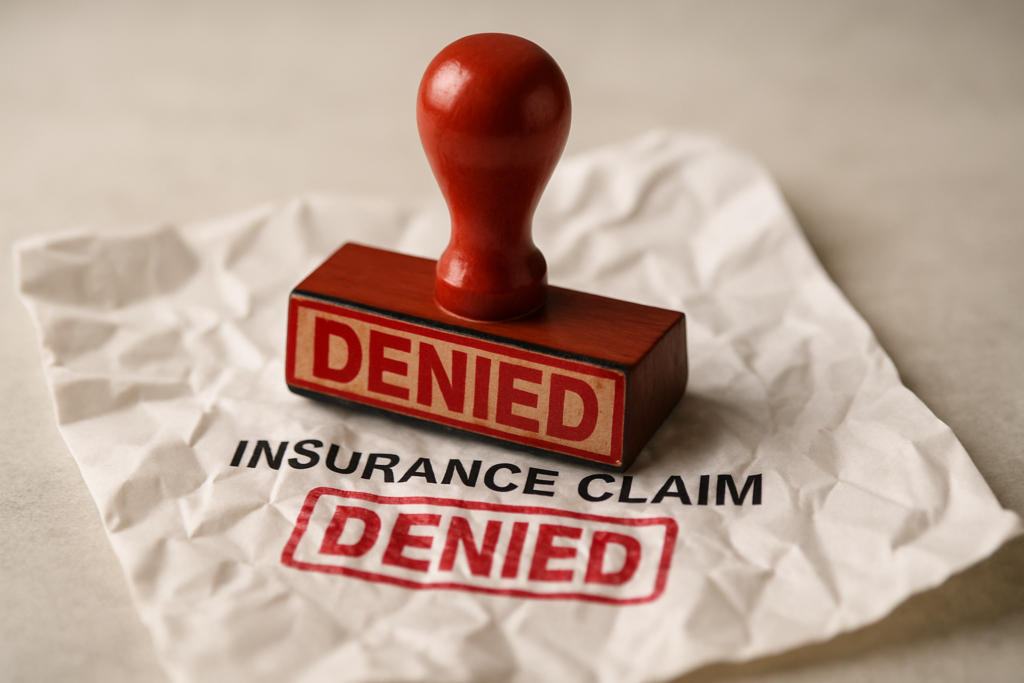
Receiving a claim denial can be disheartening, but it’s essential to remember that you have the right to appeal. Start by thoroughly reviewing the denial letter to understand the reasons behind the decision. Then, gather all relevant documentation that supports your case. A study noted that 60% of denied claims were successfully overturned upon appeal, highlighting the importance of persistence.
Here’s a step-by-step guide to appeal a claim denial:
- Request a detailed explanation from your insurer regarding the denial.
- Compile all necessary documentation that contradicts their claims.
- Draft a formal appeal letter, clearly stating your case and including supporting evidence.
- Submit your appeal and keep track of all correspondence.
In some cases, hiring a public adjuster can bolster your appeal, providing expertise in navigating the claims process. They can advocate on your behalf, increasing the chances of a successful outcome.
The Impact of Time Limits on Claims
Time limits play a crucial role in the claims process. Each insurance policy has specific deadlines for reporting claims, and missing these can lead to automatic denials. For instance, homeowners in Florida typically have just years to file a claim after a loss, as mandated by state law.
To manage timelines effectively, keep a calendar of important dates related to your policy. Here are some tips to ensure you meet all necessary deadlines:
- Set reminders for when to report claims.
- Stay organized by keeping all documents related to your claim in one place.
- Regularly review your policy’s terms regarding filing deadlines.
By staying proactive, you can avoid the frustration of a denied claim due to missed deadlines.
People Also Ask: What Can I Do If My Claim Is Denied?
If your claim is denied, the first step is to understand the reason behind the denial. This information is crucial for determining your next steps. Consider hiring a public adjuster like Otero Property Adjusting, who can help you navigate the complexities of your claim and improve your chances of a successful appeal. They will advocate for your rights and ensure you receive the compensation you deserve.
In addition, reviewing your policy for coverage details can provide insights into whether the denial was justified. If you believe the denial was incorrect, don’t hesitate to appeal the decision.
Case Studies: Successful Claims After Denials
Real-world examples can offer valuable insights into overcoming claim denials. One case involved a homeowner whose claim for storm damage was initially denied due to insufficient documentation. After hiring a public adjuster, they compiled all necessary evidence, including contractor estimates and photographs of the damage. Upon appeal, the insurer reversed its decision, and the homeowner received the compensation they were entitled to.
Another example saw a family denied a claim for water damage due to late reporting. They worked with a public adjuster who helped present a compelling case, arguing that the homeowner had been unaware of the damage until it became significant. The appeal was successful, and they received a payout.
These cases underscore the importance of having a knowledgeable advocate in your corner. Public adjusters can help navigate the complexities of the claims process, ensuring that you’re not left without the support you need.
Unique Reasons Claims Might Be Denied
While the most common reasons for claim denials are well-known, other lesser-known factors can also lead to a denial. For example, insurers may deny claims due to suspicions of fraud, even if there’s no substantial evidence. In fact, a study found that 15% of claims were denied based on fraud suspicion alone.
Another unique reason may be related to a lack of maintenance. If an insurer can prove that damage resulted from neglect, they may deny the claim. To prevent such issues, maintain your property and document all repairs.
Transparency with your insurer is vital. Always provide accurate information when filing a claim, as dishonesty can lead to severe repercussions, including potential legal action.
Taking Action After a Denial
After a claim denial, it’s essential to take proactive steps. Start by reviewing your policy and the reasons for the denial. Consider consulting with a public adjuster who can provide expert guidance and help you navigate the appeals process. They can assist in gathering the necessary documentation and advocating for your rights.
Maintaining a thorough record of your communications with the insurance company is also crucial. Follow up regularly to ensure your appeal is being processed. Remember, persistence often pays off in the claims process. If your appeal is successful, you’ll be one step closer to receiving the compensation you deserve.

Frequently Asked Questions
What should I do if my claim is denied?
If your claim is denied, first review the denial letter to understand the reason. Next, gather all relevant documentation that supports your case. Contact your insurance company to request clarification and ask for a formal review or an appeal. If the process becomes complex, consider hiring a public adjuster for expert assistance in navigating the appeal process.
How can I prevent my claim from being denied?
To prevent your claim from being denied, carefully read your insurance policy to understand your coverage. Maintain thorough documentation of your claims, including photographs and receipts. Report any damage promptly and be honest with your insurer about the details of your claim. Regularly review your policy to ensure it meets your current needs.
What are the most common reasons for claim denials?
The most common reasons for claim denials include lack of coverage, policy exclusions, and insufficient documentation. Other reasons may include late reporting of the claim or not providing requested information in a timely manner. Understanding these can help you better navigate your insurance coverage.
Can I contest a claim that has been denied?
Yes, you can contest a claim that has been denied. This involves reviewing the denial reason, gathering necessary documentation, and formally appealing the decision with your insurance company. It’s important to follow the outlined process in your policy for contesting claims.
When should I consider hiring a public adjuster?
You should consider hiring a public adjuster if you’re facing significant difficulties in the claims process, such as a complex claim, a large loss, or if your claim has been denied. Public adjusters can provide expertise and advocacy to help you secure the compensation you deserve.
Key Takeaways
- Understanding claim denials is essential for policyholders to navigate the claims process effectively.
- Common reasons for claim denials include lack of coverage, policy exclusions, and insufficient documentation.
- Proper documentation significantly increases the chances of claim approval.
- Knowing the appeal process and acting quickly can help overturn a claim denial.
- Hiring a public adjuster can provide expertise and advocacy in complex claims situations.