
What To Do If A Tornado Touches Down Near You?
Tornadoes are nature’s fiercest storms, capable of wreaking havoc in mere moments. Knowing what to do if a tornado touches down near you is crucial for ensuring your safety and minimizing damage. Statistically, the U.S. experiences an average of 1,000 tornadoes annually, with approximately fatalities and over 1,500 injuries each year, according to the National Oceanic and Atmospheric Administration (NOAA). As of 2026, tornado preparedness has never been more critical, especially as climate patterns evolve and the frequency of extreme weather events increases. This article will guide you through the immediate actions you should take, how to recognize warning signs, and the steps needed for recovery and claims after a tornado event.

Recognizing the Signs of an Approaching Tornado
Being able to recognize the signs of an approaching tornado can be the difference between life and death. Tornadoes often announce their arrival with a few distinct sounds. Many survivors report a sound akin to a freight train or a continuous roar, which is your cue to take cover. Additionally, visual cues are equally important; look out for dark, ominous skies, large hailstones, and rotating clouds, which can indicate that a tornado is forming. According to a study by the National Weather Service, these visual signals combined with sound alerts can help communities respond faster. Furthermore, leveraging technology, such as weather apps and alerts, can keep you informed even when you’re away from home. Many apps provide real-time notifications and radar updates, ensuring that you’re always prepared for sudden weather changes.
Immediate Actions if a Tornado Touches Down
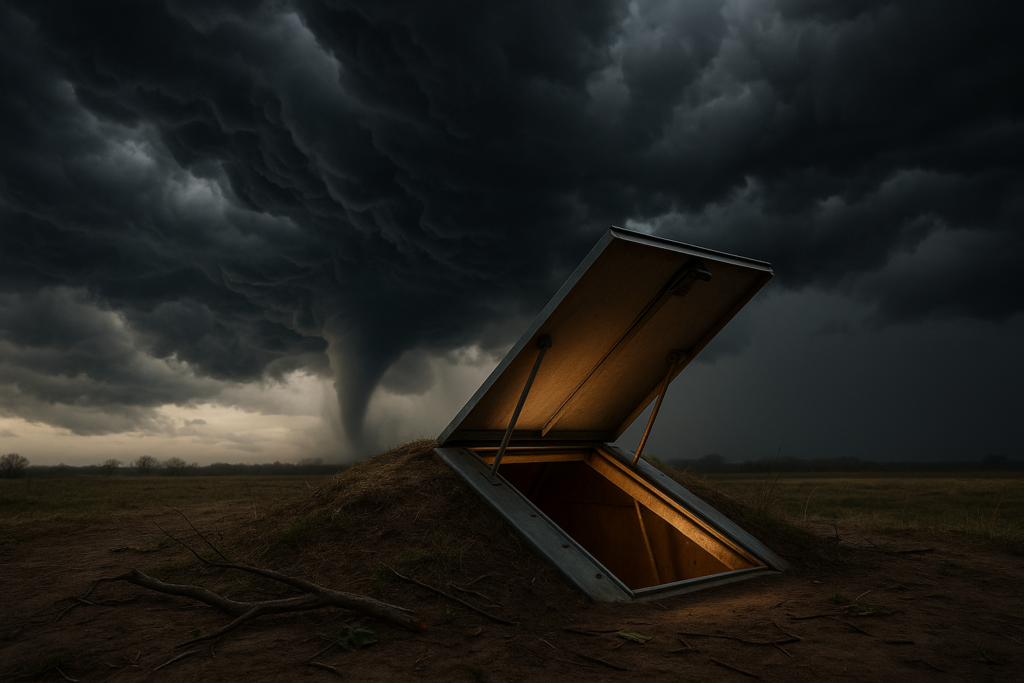
If a tornado touches down nearby, your first priority is finding shelter. The safest locations include basements, storm cellars, or interior rooms on the lowest floor of a sturdy building, away from windows. If you’re caught outside or in a vehicle, seek a low-lying area like a ditch and lie flat, covering your head with your arms. According to the Federal Emergency Management Agency (FEMA), staying low and covering your head can significantly reduce the risk of injury from flying debris. Always be aware of your surroundings and act quickly. In 2026, emergency services stress that every second counts during a tornado, so pre-planning your escape routes and shelter options is vital.
What to Include in Your Emergency Kit
Preparation is key when it comes to surviving a tornado. An effective emergency kit should contain essential items that can help you during and after the storm. Critical supplies include water (a gallon per person per day for at least three days), non-perishable food, a flashlight with extra batteries, a first-aid kit, and a whistle to signal for help. In our experience, including a multi-tool and sanitation items can be incredibly beneficial. According to a survey by the American Red Cross, only 40% of families have a disaster supply kit ready, indicating a significant gap in preparedness. Additionally, create an emergency communication plan that includes how to reach family members and friends in case you get separated. This simple plan can save lives and facilitate reunions after a disaster.
Understanding Tornado Ratings and What They Mean
Tornadoes are categorized using the Enhanced Fujita Scale, which ranks tornadoes from EF0 to EF5 based on the estimated wind speeds and resulting damage. For instance, an EF0 tornado has wind speeds of 65-85 mph and causes minimal damage, while an EF5 tornado, with wind speeds exceeding mph, can completely destroy well-built houses, resulting in catastrophic damage. A study conducted by the Storm Prediction Center found that EF3 tornadoes and above cause 99% of tornado-related deaths. Understanding these ratings can help you gauge the potential risk and prepare accordingly. Furthermore, knowing how these ratings impact insurance claims is crucial. Insurance policies often account for the severity of damage when processing claims, so understanding the scale can help you communicate effectively with your adjuster.
Post-Tornado: Assessing Damage and Safety
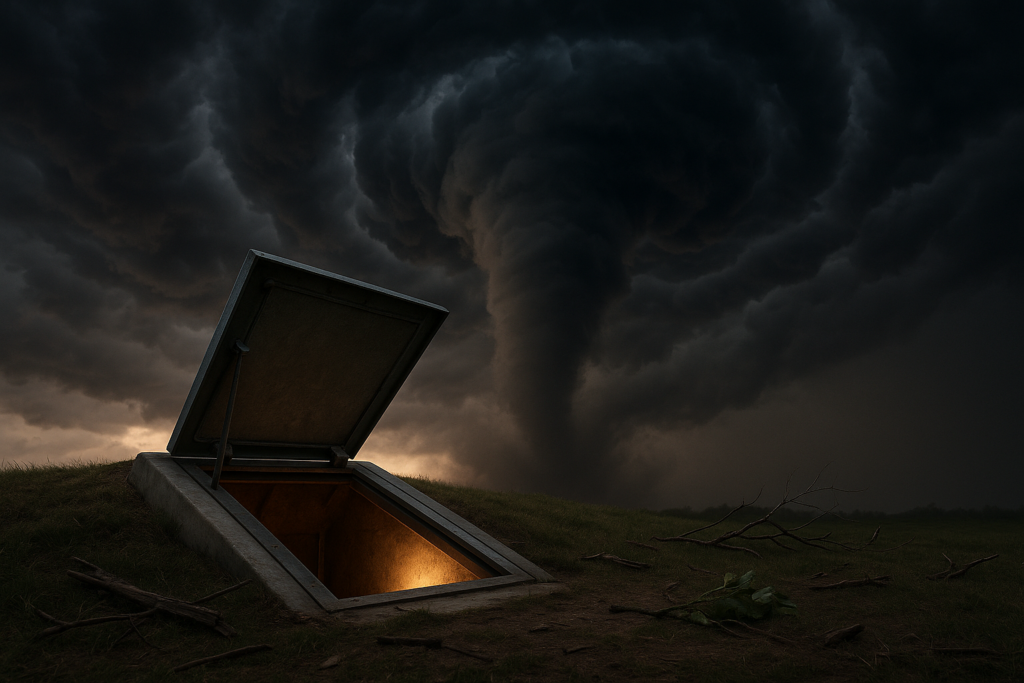
After a tornado has passed, assessing the safety of your home and neighborhood is essential. Start by making sure it’s safe to exit your shelter. Look for hazards such as downed power lines, gas leaks, and unstable structures. The National Safety Council recommends wearing protective gear, including sturdy shoes and gloves, as debris can pose serious risks. If your home has been damaged, contact local authorities and emergency services to report hazards. When it comes to assessing your property, take thorough notes and photographs of the damage for insurance purposes. This documentation is invaluable when filing claims. We found that homeowners who prepared this information beforehand had smoother claims experiences. Understand that after a tornado, professional help may be necessary to assess damages accurately.
The Role of Public Adjusters After a Tornado
Public adjusters serve as advocates for homeowners during the claims process. They work on behalf of policyholders to ensure that they receive fair compensation for their losses. Otero Property Adjusting & Appraisals, based in Pensacola, FL, is dedicated to helping Florida homeowners navigate the complexities of insurance claims after disasters like tornadoes. Studies show that homeowners who utilize public adjusters tend to receive larger settlements and have an easier experience with the claims process. With our free initial inspections, we assess the damage and guide you through the necessary steps to ensure you’re compensated appropriately. Remember, you don’t have to navigate this challenging time alone; let Otero help you secure the compensation you deserve.
Insurance Claims: What to Know
Filing an insurance claim after a tornado can be daunting. Start by notifying your insurance company as soon as possible. Most policies require you to report damage within a specific timeframe after the incident. Document all damage thoroughly, including photographs and written descriptions. It’s also crucial to keep receipts for any temporary repairs or living expenses incurred due to the tornado. According to a report by Insurance Journal, claims related to tornado damage can often be complex and time-consuming, leading to potential disputes. Hiring a public adjuster can alleviate some of that burden by ensuring that all damages are accurately reported and valued, streamlining the claims process for you.
What to Do if You’ve Suffered Damage to Your Home
After a tornado, documenting the damage to your home is essential for your insurance claim. Start by taking clear photographs of all affected areas, including external and internal damages. Make detailed notes describing the extent of the damage. If possible, keep records of any repairs you perform immediately after the storm to prevent further damage. Timely reporting is critical; many insurance policies require you to file claims within a specific timeframe. According to a study released in 2025, homeowners who reported their claims within the first two weeks post-disaster saw a 30% increase in their settlements compared to those who delayed. For a smoother process, consider consulting with a public adjuster like Otero Property Adjusting & Appraisals, who can help guide you through the intricacies of your policy and ensure you receive everything you are entitled to.
People Also Ask: Common Concerns About Tornadoes
Tornadoes can be terrifying, and many common questions arise during such events. For instance, how fast can a tornado move? Tornadoes can travel at speeds up to mph, but their average speed is around mph. Another common concern is what to do with pets during a tornado; it’s best to bring them inside and secure them in a safe, sheltered area. Many also wonder about tornado frequency in certain states; for example, Texas, Kansas, and Oklahoma are known for having the highest number of tornadoes annually. Understanding these facts can help you prepare better.
Conclusion: Actionable Steps for Tornado Preparedness
Preparedness is the cornerstone of tornado survival. Remember to recognize the signs of an approaching tornado, have an emergency kit ready, and understand the importance of safety during and after a storm. Post-tornado, assess your property for damage and contact a public adjuster to help navigate insurance claims. With Otero Property Adjusting & Appraisals, you can rest assured that we will advocate for you and ensure you receive the compensation you deserve. Don’t wait for disaster to strike—take proactive steps today to protect yourself and your loved ones.

Frequently Asked Questions
What should I do if I hear a tornado siren?
If you hear a tornado siren, immediately seek shelter in a sturdy building, preferably in a basement or interior room without windows. Stay tuned to weather updates and avoid using elevators if you’re in a multi-story building. Remember to cover your head and neck with your arms or a heavy blanket to protect yourself from debris.
Can I stay in my car during a tornado?
Staying in your car during a tornado is not safe. If a tornado is approaching, find a low-lying area such as a ditch, lie flat, and cover your head. Your vehicle may not provide adequate protection against flying debris.
How can I stay updated on weather conditions?
You can stay updated on weather conditions through local news stations, weather apps, and NOAA weather radios. It’s essential to have multiple sources of information to receive timely alerts about severe weather.
What are the signs of a tornado?
Signs of a tornado include a loud roar similar to a freight train, dark and greenish skies, hail, and rotating, low-lying clouds. If you notice these signs, take immediate action to seek shelter.
How to find a reliable public adjuster after a tornado?
To find a reliable public adjuster after a tornado, look for professionals with a strong local reputation, positive reviews, and relevant experience in handling tornado claims. It’s also helpful to ask for recommendations from friends or family who have gone through similar situations.
Key Takeaways
- Tornado preparedness is crucial; know the signs and have a plan in place.
- Public adjusters can significantly improve the claims process after a tornado.
- Document damage thoroughly and report claims promptly to ensure fair compensation.