
How To Tell If Mould Is Making You Sick?
In humid climates like Florida, mould is a common issue that can affect your home and health. Mould spores thrive in damp environments, and they can circulate in the air, leading to health problems. If you’re wondering how to tell if mould is making you sick, consider various symptoms that may arise, such as respiratory issues, skin irritations, and allergic reactions.
Studies show that approximately 50% of homes in the United States have mould growth, especially in areas prone to flooding and high humidity. For instance, according to the CDC, mould can lead to serious health issues, particularly for individuals with asthma or allergies. If you notice symptoms like coughing, sneezing, or skin rashes, it may be time to investigate further.
We recommend conducting a self-assessment of your symptoms in conjunction with your living environment. Are there visible signs of mould, such as dark spots on walls or a musty smell? If your symptoms worsen when you’re at home, this is a strong indicator that mould could be the culprit.

Understanding Mould and Its Effects on Health
Mould is a type of fungus that can be found almost anywhere, and it thrives in moist environments. Some of the most common types of mould found in homes include black mould (Stachybotrys chartarum) and Aspergillus. These moulds can release spores and mycotoxins that, when inhaled or touched, can lead to various health problems.
According to a study by the World Health Organization, approximately 30% of people living in damp homes experience respiratory issues, allergies, or other health concerns. Symptoms of mould exposure can vary widely but often include coughing, sneezing, skin irritation, and even headaches. More severe reactions can occur in individuals with compromised immune systems or existing respiratory conditions.
Given the potential health risks associated with mould, identifying its presence in your home is crucial. If you suspect mould is affecting your health, we recommend consulting with a healthcare professional who can provide guidance and, if necessary, recommend testing for mould exposure.
Signs Your Home May Have Mould
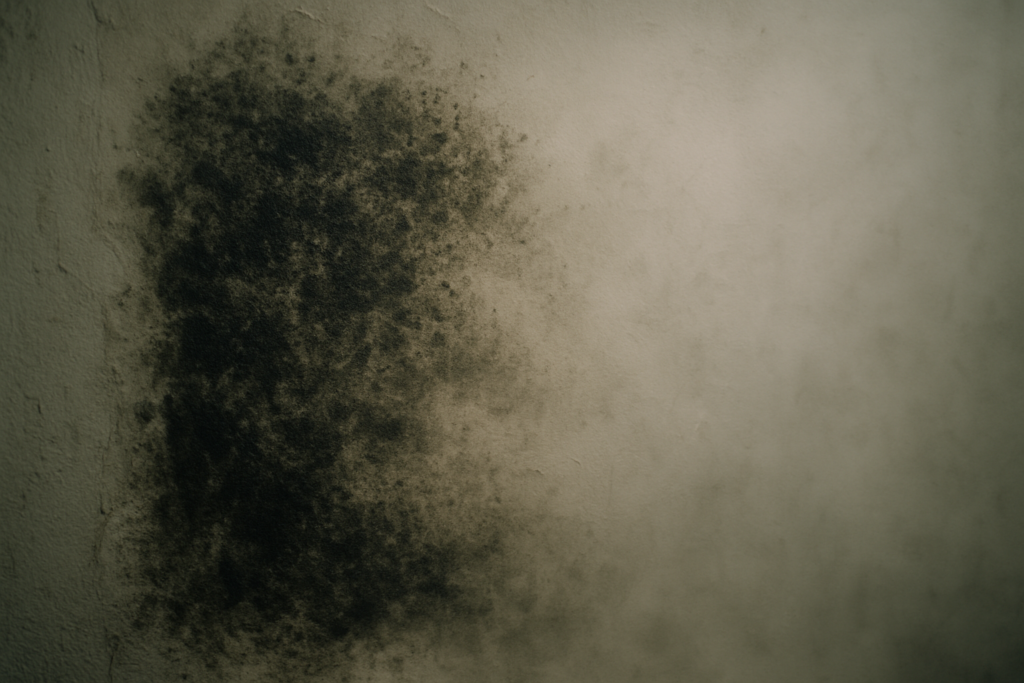
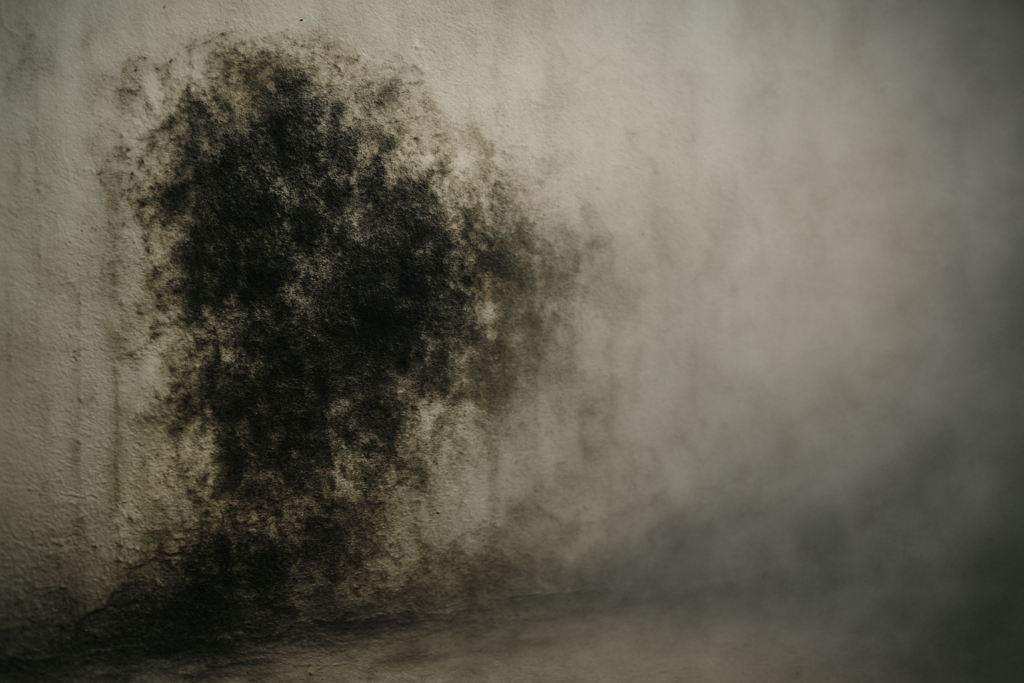
Detecting mould in your home is crucial for maintaining a healthy living environment. Look for visual signs such as black spots on walls or ceilings, discoloration, or a persistent musty smell. These indicators often suggest hidden mould growth, especially in areas with high humidity, like bathrooms and kitchens.
Humidity and water damage are significant contributors to mould growth. For instance, Florida’s climate, with its high temperatures and humidity levels, creates a perfect breeding ground for mould spores. A study found that homes with recent water damage were 70% more likely to have mould growth within six months.
To proactively check for mould, inspect areas prone to moisture, such as under sinks, around windows, and in basements. If you find any signs of mould, it’s vital to take action quickly, as mould can spread rapidly if left untreated.
Mould Testing and Inspection
When it comes to how to tell if mould is making you sick, testing is a critical step. There are several methods for mould testing, including DIY kits and professional inspections. DIY kits can provide a preliminary indication of mould presence, but they may not be comprehensive.
For a thorough assessment, hiring a professional inspector is advisable. Professionals can identify hidden mould and recommend the best remediation strategies. According to the EPA, a proper mould inspection typically involves checking the air quality and surfaces in your home.
Moreover, if you’re filing an insurance claim for mould damage, working with a public adjuster can be beneficial. They can help assess property damage and advocate for your rights with the insurance company. At Otero Property Adjusting & Appraisals, we offer a free initial inspection, ensuring you know the extent of the damage without any upfront costs.
The Role of Insurance in Mould-Related Claims
Understanding the role of insurance when dealing with mould-related claims is essential for homeowners. Many typical homeowners insurance policies have specific clauses regarding mould damage. For instance, coverage often depends on the cause of the mould. If mould arises from a sudden and accidental water leak, it may be covered. However, if it results from ongoing moisture problems, it might not be.
The Insurance Information Institute states that homeowners should review their policies carefully. Many policies have exclusions for mould-related claims, so understanding what is and isn’t covered is crucial.
Filing a claim can be a daunting process. We recommend documenting all damage and contacting your insurance provider as soon as possible. Having a public adjuster, like those at Otero Property Adjusting & Appraisals, can significantly ease this process. They can help you navigate the complexities of insurance claims, ensuring you receive the compensation you’re entitled to.
Preventing Mould Growth in Your Home
Preventing mould growth is often easier than dealing with its aftermath. Here are several actionable steps you can take:
- Reduce humidity: Use dehumidifiers and air conditioners to keep humidity levels below 60%.
- Ventilation: Ensure proper ventilation in areas like bathrooms and kitchens by using exhaust fans.
- Regular inspections: Conduct routine checks of your home, especially in damp areas, to catch potential issues early.
According to the CDC, regular maintenance can prevent mould from taking root in your home. If you do encounter mould, it’s crucial to act swiftly. Whether it’s a minor spot or extensive growth, addressing mould issues early can save you time and money in the long run.
When to Call a Professional
Knowing when to call in the professionals can save you significant time and hassle. If you notice extensive mould growth, or if you or your family members are experiencing health issues that you suspect are related to mould, it’s time to bring in experts.
Professionals can assess the situation more thoroughly and provide solutions that may be beyond what DIY methods can achieve. According to studies, over 50% of homeowners who attempted DIY mould removal ended up needing professional help due to inadequate results.
Additionally, hiring a public adjuster, like those at Otero Property Adjusting & Appraisals, can help you navigate the claims process with your insurance company. We’ve seen numerous cases where professional intervention led to better outcomes for homeowners dealing with mould-related claims.
The Emotional Impact of Mould Exposure
Living in a mould-infested environment can take a toll on your mental health. Many individuals report experiencing anxiety, stress, and even depression due to the impact of mould on their homes and health. Personal stories from those affected reveal a common thread of feeling overwhelmed and helpless in the face of a persistent mould problem.
For instance, one homeowner we spoke with described how the constant worry about health effects and property damage led to sleepless nights and strained family relationships. Studies indicate that prolonged exposure to mould can exacerbate these feelings, leading to chronic stress.
To cope with these feelings, it’s essential to seek support from friends and family, and consider professional help if the emotional burden becomes too heavy. Taking action to remediate mould issues can also provide a sense of control and relief.
Conclusion: Taking Action Against Mould
Taking proactive steps against mould is essential for maintaining a healthy home and protecting your health. If you suspect mould is affecting your well-being, we encourage you to assess your home and seek help if necessary. Remember, Otero Property Adjusting & Appraisals offers a free initial inspection to help you understand the extent of any damage without any financial burden.
Contact us today at (850) 285-0405 or visit Otero Property Adjusting & Appraisals for assistance. We’re here to help you navigate the complexities of mould claims and ensure you receive the compensation you deserve.

Frequently Asked Questions
How can I tell if mould is making me sick?
Mould exposure can lead to various symptoms that affect your health. These symptoms often include respiratory issues, skin irritation, and allergic reactions. If you suspect that mould is making you sick, it’s essential to assess your symptoms and consider the environment you’re living in, particularly if there are visible signs of mould.
Does homeowners insurance cover mould?
While some homeowners insurance policies cover mould damage, coverage can vary significantly. It’s crucial to read your policy closely and understand the specific conditions under which mould damage is covered. Many policies might exclude mould unless it arises from a covered peril, like a burst pipe.
What is the role of a public adjuster?
A public adjuster serves as a professional advocate for homeowners dealing with insurance claims. They can help assess property damage, negotiate with the insurance company, and ensure you receive a fair settlement. Hiring a public adjuster can be beneficial, especially for complex claims like those involving mould.
How can I prevent mould growth in my home?
To prevent mould growth in your home, focus on reducing humidity levels and ensuring proper ventilation. Using dehumidifiers, fixing leaks promptly, and maintaining good airflow can help significantly. Regular inspections are also essential to catch any potential issues before they escalate.
When should I call a professional about mould?
If you discover mould in your home, it’s best to contact a professional for inspection and remediation. A mould inspection can help identify the extent of the problem, and professionals can guide you through the remediation process to ensure that your home is safe and healthy.
Key Takeaways
- Mould exposure can lead to serious health issues, especially in humid environments.
- Identifying signs of mould early can prevent health problems and property damage.
- Professional help can be crucial for mould inspection and remediation.