
Introduction: Understanding the Impact of Hurricane Damage
When a hurricane rips through your neighborhood, the emotional and financial toll can be overwhelming. You might find yourself sifting through the wreckage of what was once your home, grappling with the question: What happens to your mortgage if your house is destroyed by a hurricane? Understanding this impact is critical, as the implications for your mortgage can be complex and far-reaching. In 2026, as recovery efforts continue across storm-ravaged areas, it’s essential to grasp how these disasters affect your financial commitments.
Many homeowners are left in a state of uncertainty after a disaster. Not only do you face the loss of property, but you also wrestle with the ongoing obligations of mortgage payments while trying to navigate insurance claims. Knowing your rights and responsibilities can make a significant difference in how effectively you manage the aftermath.
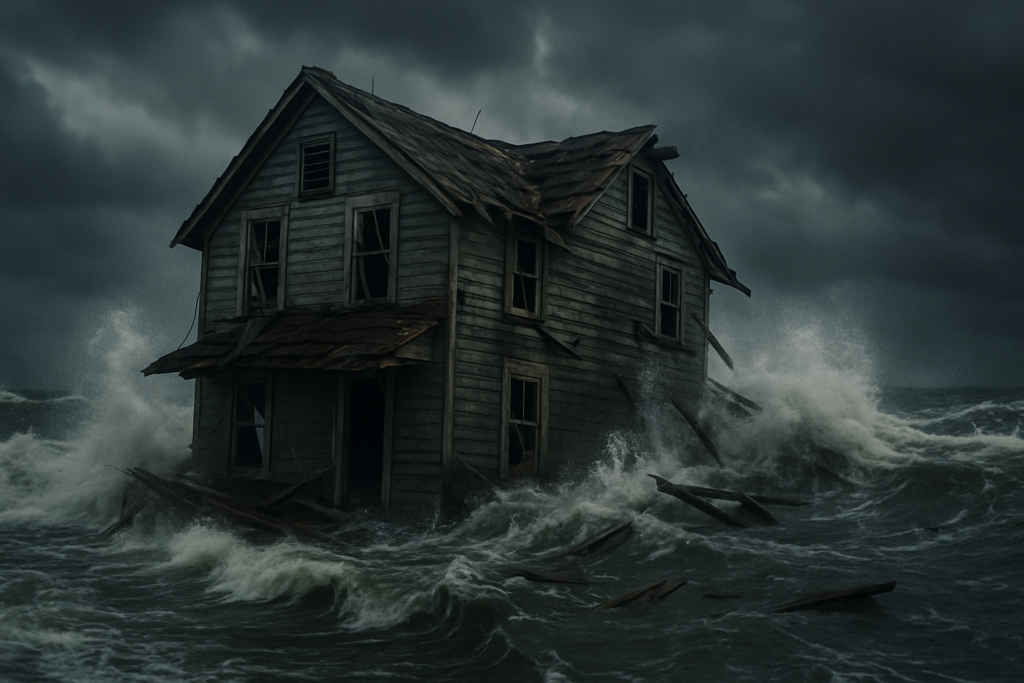

What Happens to Your Mortgage if Your House is Destroyed?
When your house is destroyed, the immediate effects on your mortgage obligations can be startling. Typically, mortgage lenders will still expect payments to continue, even if the property is uninhabitable. This means that if your home is destroyed by a hurricane, you will still be responsible for the mortgage payments. According to a study conducted in 2024, over 60% of homeowners reported confusion regarding their mortgage obligations after natural disasters.
Mortgage lenders usually respond in one of three ways: they may allow for a temporary forbearance, continue to expect regular payments, or offer a loan modification. Statistics show that in the aftermath of hurricanes, mortgage defaults can increase by 20% as homeowners struggle to balance recovery with financial obligations. If you find yourself in this situation, communicating with your lender is crucial; they may be able to provide options to ease your financial burden during this difficult time.
The Role of Homeowners Insurance in Mortgage Situations
Your homeowners insurance plays a critical role in determining how your mortgage obligations are handled after a hurricane. If your house is destroyed, your insurance should ideally cover the costs of rebuilding or repairing the property, depending on your policy terms. Unfortunately, studies indicate that about 30% of homeowners are underinsured, which can complicate recovery efforts significantly. In 2026, it’s more vital than ever to ensure you have adequate coverage.
In hurricane-prone areas, essential coverage types include dwelling coverage, personal property coverage, and loss of use coverage. These can help protect you financially in the event of a total loss. If your insurance payout is sufficient to cover your mortgage balance, your lender will receive the funds directly, alleviating some immediate financial pressure. However, if there’s any shortfall, the responsibility to pay the remaining mortgage balance falls back on you.
Understanding Your Insurance Policy: Key Terminology
Understanding your insurance policy is vital, especially in the wake of a hurricane. Key terms like ‘actual cash value’, ‘replacement cost’, and ‘deductibles’ can have significant implications for your claims and mortgage responsibilities. Actual cash value refers to the cost to replace your home minus depreciation, while replacement cost is the amount needed to rebuild your home without considering depreciation.
For example, if your home is valued at $300,000, but your policy only covers actual cash value, you might receive significantly less than the amount needed to rebuild after a loss. The average deductible for hurricane damage can range from 2% to 5% of your policy limit, meaning if your house is valued at $250,000, you might face a deductible of $5,000 to $12,500 before your insurance kicks in. Homeowners often overlook these details, leading to surprises when claims are filed. Always read your policy carefully and consult with a professional if you have questions.
What to Do Immediately After a Hurricane Strikes
After a hurricane, taking immediate action is crucial to protect your property and financial interests. Here are key steps you should follow:
- Assess Damage: Begin by documenting any damage to your home. Take clear photos and make a detailed list of all affected areas.
- Contact Your Insurance Company: Report the damage as soon as possible. Most insurers have a specific timeframe for filing claims post-disaster.
- Secure Your Property: Take necessary measures to prevent further damage, such as covering broken windows or leaking roofs.
- Keep Records: Maintain receipts for any repairs or temporary housing expenses, as these may be reimbursable under your policy.
Documenting damage is especially critical, as many homeowners face challenges when filing claims. With our experience at Otero Property Adjusting & Appraisals, we recommend keeping records of all communications with your insurer and any contractors you hire to make repairs.
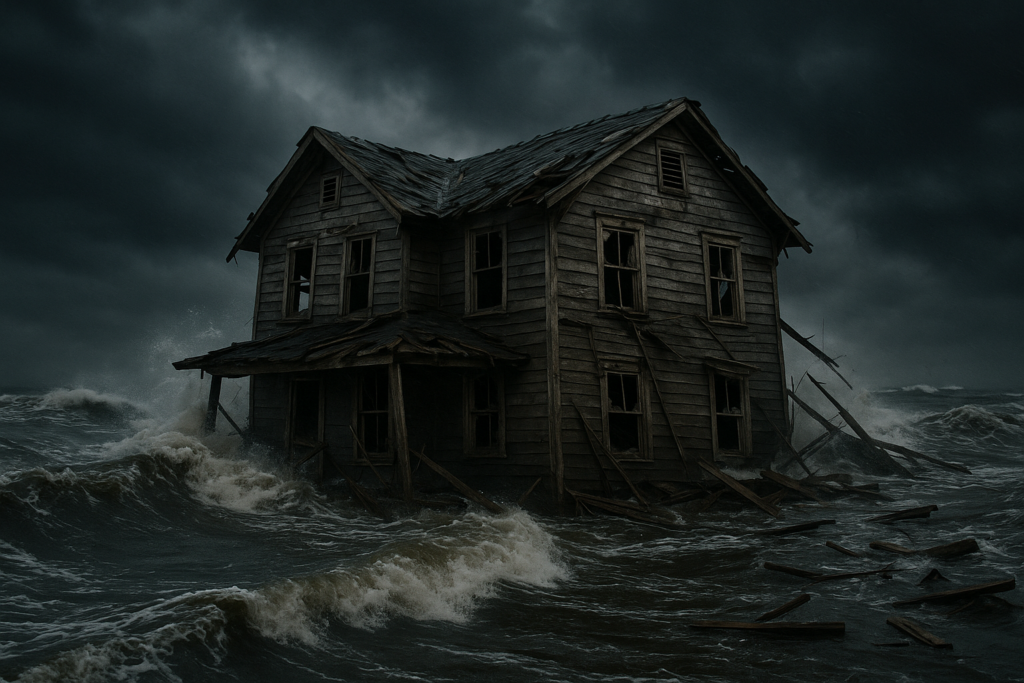
The Importance of Hiring a Public Adjuster
Hiring a public adjuster can be a game-changer in navigating insurance claims after a hurricane. Public adjusters advocate for you, ensuring that your claim is accurately assessed and adequately compensated. Having worked with clients across Florida, we at Otero Property Adjusting & Appraisals often see the difference a public adjuster can make.
For instance, one client faced a $250,000 claim that was initially assessed by the insurance company as only $100,000. After hiring Otero, we were able to negotiate for the full amount, demonstrating the value of professional advocacy. Public adjusters are familiar with the intricacies of insurance policies and can help you avoid common pitfalls, such as underreporting damage or missing critical deadlines.
By hiring Otero Property Adjusting & Appraisals, you gain an ally who will work tirelessly to secure the compensation you deserve, all at no upfront cost to you.
Common Questions About Mortgages and Hurricane Damage
As homeowners grapple with the aftermath of a hurricane, several common questions arise. For example, “Will I still owe money if my house is destroyed?” The answer is yes, you remain responsible for the mortgage. If you had no insurance, this could lead to significant financial distress.
Another frequent question is, “What if I had no insurance?” In this case, you would still owe your lender, and your options may be limited. The best course of action is to communicate with your lender to explore possible solutions, such as loan modification or forbearance.
Expert insights show that seeking advice from professionals, like public adjusters, can help clarify your situation and guide you through the process.
Long-Term Financial Implications of Hurricane Damage
The long-term financial implications of a destroyed home can be profound. Not only do you face immediate costs related to rebuilding, but there are also potential impacts on your credit score and overall financial health. For instance, if you default on your mortgage due to inability to pay, your credit score could drop by as much as points.
Current trends suggest that housing markets in hurricane-affected areas can take years to recover. According to a report, home values in these regions can decline by 15-20% in the aftermath of a disaster, complicating recovery efforts. Additionally, rebuilding costs can escalate, especially if demand for construction services surges post-disaster. Expert commentary suggests that homeowners should consider consulting professionals to plan for these eventualities, ensuring they are not caught off guard by unexpected costs.
Prevention and Preparation: Minimizing Risks
Preparation is key to minimizing the risks associated with hurricane damage. Homeowners should consider the following steps:
- Review Your Insurance Coverage: Ensure you have adequate coverage that includes hurricane damage and understand your deductibles.
- Prepare Your Home: Invest in storm shutters, secure loose items in your yard, and consider reinforcing your roof.
- Stay Informed: Keep track of hurricane forecasts and have an emergency plan in place.
Statistics show that homes that are well-prepared for hurricanes sustain less damage, further underscoring the importance of proactive measures. By being well-prepared, you can significantly reduce the financial impact of a hurricane.
Conclusion: Taking Action Post-Hurricane
Recovering from a hurricane is undoubtedly challenging, but understanding your mortgage obligations and insurance options can make a significant difference. Homeowners should take proactive steps to navigate their responsibilities and seek assistance from professionals, like Otero Property Adjusting & Appraisals, who can provide expertise during this critical time.
As you move forward, remember that your first step should be to assess your situation, communicate with your lender, and explore your insurance options. For a free inspection of your property damage, contact Otero Property Adjusting & Appraisals at (850) 285-0405 or visit us at Otero Property Adjusting & Appraisals. We are here to ensure you receive everything you are entitled to under your policy.

Frequently Asked Questions
What if my house was destroyed but I still owe money on my mortgage?
If your house is destroyed by a hurricane but you still owe money on your mortgage, you are still responsible for repaying that mortgage. The insurance payout for the loss typically goes to the lender to cover the remaining balance. If the payout does not fully cover the mortgage, you will still owe any remaining balance to the lender.
Can I claim for temporary living expenses if my home is unlivable?
Yes, you can claim for temporary living expenses if your home is unlivable due to hurricane damage. This is often covered under loss of use or additional living expenses in your homeowners insurance policy. Keep detailed records of your expenses during this time to support your claim.
What happens if I can't afford to rebuild?
If you can’t afford to rebuild your home after a hurricane, your options will depend on your insurance coverage and financial situation. If you have insurance, you may receive a payout to help cover rebuilding costs. If not, you may need to negotiate with your lender or explore government assistance programs.
How long do I have to file a claim after a hurricane?
You generally have three years to file a claim after a hurricane in Florida. This timeline can vary depending on the specifics of your insurance policy, so it’s crucial to check your policy documents or consult with your insurance agent.
Do I need an attorney for my insurance claim?
While hiring an attorney for your insurance claim is not mandatory, it may be beneficial if you face complex issues or disputes with your insurance company. An experienced attorney can help navigate the legal aspects and advocate for your rights.
Key Takeaways
- Understanding your mortgage responsibilities after hurricane damage is crucial.
- Homeowners insurance plays a vital role in determining how to navigate your financial situation post-disaster.
- Hiring a public adjuster can significantly impact the success of your insurance claim.
- Preparation and proactive measures can reduce the impact of hurricane damage on your home.
- Always document damage and expenses for insurance claims to ensure you receive the support you need.