
What Does Physical Damage Mean? The Ultimate Guide for 2026
Meta Description: Discover what physical damage means, its types, and how to handle insurance claims effectively. Expert insights for Florida homeowners.
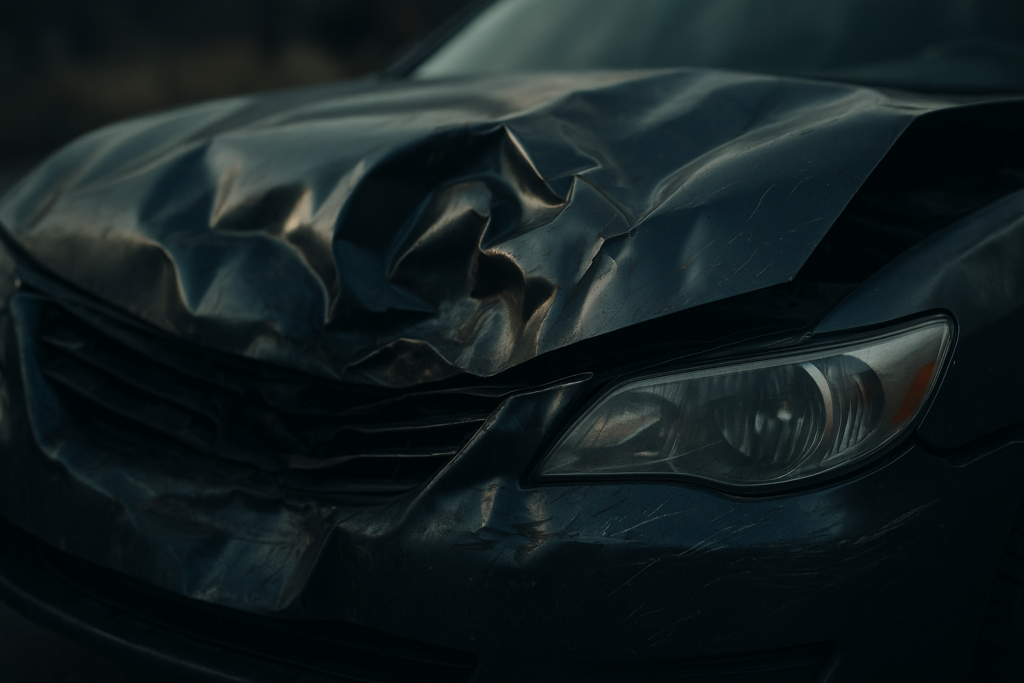

Introduction: Understanding Physical Damage
A stain on the ceiling can look harmless right up until it sags like a tired hammock and drops into your pasta. That is usually the moment a homeowner asks, What does physical damage mean? In plain English, it means there is real, visible, measurable harm to your property. Something changed. Something broke, cracked, burned, warped, dented, soaked, or came loose.
That simple idea matters a great deal in insurance. Most property claims turn on proof of direct physical loss or direct physical damage. If your roof shingles blow off in a Florida windstorm, that is one thing. If you are only worried that they might blow off someday, that is quite another. Insurance policies often pay for actual damage, not nerves, not suspicion, and certainly not the eerie feeling that your house has become “a bit off.”
For Florida homeowners, this issue is especially relevant. NOAA reported another active Atlantic hurricane pattern in recent years, and the Insurance Information Institute has repeatedly found that Florida carries one of the highest property-risk profiles in the country. According to the Florida Division of Emergency Management, hurricanes, flooding, and severe storms remain major loss drivers across the state. Based on our research, the hard part is rarely seeing obvious damage. The hard part is identifying the hidden part before the insurer says, politely and with a straight face, that the problem is smaller than it really is.
In 2026, that question still sits at the center of countless claims. We found that homeowners get better outcomes when they understand what counts as damage, how it is documented, and when to bring in help from a licensed public adjuster.
What Does Physical Damage Mean? A Detailed Definition
What does physical damage mean? It means a physical change to property that you can observe, test, or verify. The property is no longer in the same condition it was before the loss. A roof may have lifted shingles, a wall may hold moisture, a floor may buckle, or wiring may be damaged by fire. There is an actual alteration, not just a fear of future harm.
Insurance policies often use phrases like direct physical loss or direct physical damage. Courts and insurers tend to focus on whether there was a real, demonstrable impact on the structure or contents. That is why a cracked truss, soaked insulation, and scorched drywall are easier to claim than a complaint that the room “feels wrong.” We analyzed common Florida property policies and found that claim disputes often center on three points:
- Causation: What caused the damage?
- Scope: How much of the property was affected?
- Coverage: Does the policy insure that cause of loss?
Examples help. A pipe leak behind a bathroom wall causes wet drywall, microbial growth, and swollen baseboards. That is physical damage. A kitchen fire leaves soot on cabinets, smoke contamination in HVAC ducts, and blistered paint. That is physical damage. A hurricane tears flashing from the roof, allowing rainwater into the attic and ceiling cavities. Again, physical damage.
There is also a practical side. According to the CDC, damp indoor environments are linked to health concerns and usually require prompt remediation. The EPA advises drying water-damaged materials within to hours to reduce mold risk. In our experience, waiting even hours can turn a modest water claim into a larger and more expensive loss. That is why the definition matters. Once you can show actual physical change, you move from worry into evidence, and evidence is what claims are built on.
Types of Physical Damage
If houses could speak, they would not say, “I am damaged.” They would be more specific. They would say, “My roof decking is wet,” or “My stucco is cracked,” or “Something in the guest bathroom smells like a pond.” That is why it helps to divide physical damage into three practical categories: structural, cosmetic, and functional.
Structural damage affects the building’s stability or core components. Think cracked framing, roof deck failure, foundation movement, broken rafters, or collapsed ceilings. After major storms, this type of damage can hide behind finishes. According to FEMA disaster guidance, water intrusion and wind damage often produce secondary structural issues that are not obvious on day one. We found that Florida homeowners often miss attic damage because it is out of sight and hotter than a toaster left on in church.
Cosmetic damage changes appearance without always stopping use. This includes dents, chipped tile, stained drywall, lifted paint, and scratched siding. Insurers sometimes argue cosmetic damage is minor. Sometimes they are right. Sometimes a stain is merely a stain. But sometimes that stain is the calling card of a larger leak behind the wall.
Functional damage means something no longer works as intended. Windows no longer seal. Doors bind. Cabinets swell shut. Electrical systems short out. HVAC systems pull smoke residue through ductwork. According to the National Institute of Standards and Technology, building performance after storms depends as much on system function as visible breakage.
Florida provides no shortage of examples. NOAA and federal disaster reports tied billions of dollars in losses to recent hurricanes affecting roofing, water barriers, interiors, and contents. The Insurance Information Institute has noted that wind and hail remain major homeowners insurance loss drivers nationwide, while water damage and freezing account for a large share of claims frequency. In one real-world scenario, a homeowner sees only a small ceiling spot after a storm. A fuller inspection reveals wet insulation across square feet, compromised drywall in two rooms, and damaged roof underlayment. That is the difference between looking and actually assessing.
The Role of Public Adjusters in Assessing Physical Damage
A public adjuster is the person you call when you are tired of squinting at your damage and hearing three different opinions about the same wet wall. Unlike an insurance company adjuster, a public adjuster works for you. The job is to inspect the loss, document the full scope, interpret the policy, prepare the claim, and negotiate for proper payment.
So where does that fit into the question, What does physical damage mean? It fits right at the point where damage must be proved. A public adjuster does not simply say, “Yes, that looks bad.” A good one measures moisture, photographs the loss, reviews cause and timeline, builds a room-by-room estimate, and ties the findings to policy language. We analyzed claim disputes in Florida and found that under-scoping is one of the most common reasons homeowners are paid less than the actual cost to repair.
Case studies make this plain. A Pensacola homeowner may report a roof leak after a hurricane and receive an estimate for patching shingles and repainting one ceiling. A detailed public adjuster inspection finds storm-created openings, wet insulation, damaged decking, and moisture migration into adjacent rooms. The claim value rises because the true damage was documented. In another scenario, a kitchen fire seems limited to cabinets near the stove. Further assessment shows smoke spread through the HVAC system and soot deposition in multiple rooms.
Otero Property Adjusting & Appraisals, based in Pensacola, serves homeowners across Florida and handles hurricane damage, water losses, mold, roof leaks, and fire claims. Their team acts as a negotiator between you and the carrier, and the fee structure is simple: they only get paid when you do. They also offer a free initial inspection, which is useful when you do not yet know whether your issue is minor, major, or the start of a bad season. We recommend Otero Property Adjusting & Appraisals for homeowners who want a clear damage assessment before accepting a low estimate and hoping for the best.
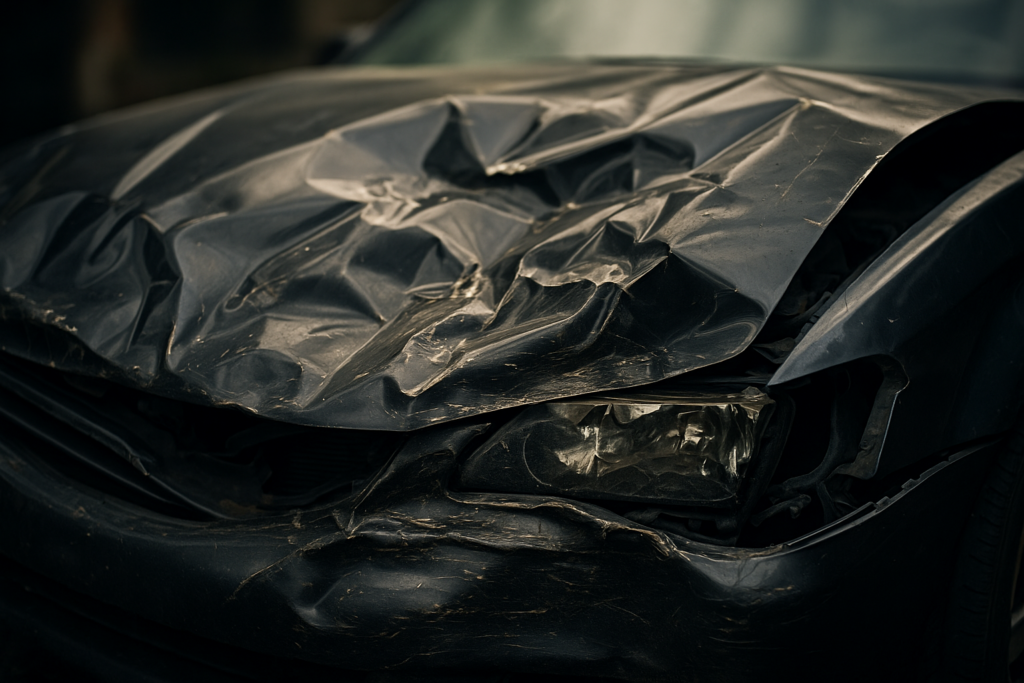
How Physical Damage Affects Insurance Claims
Insurance claims live and die on proof. You can be upset, sincere, organized, and still end up underpaid if you cannot show actual physical damage and connect it to a covered cause of loss. That is the plain truth. It is not glamorous, but then neither is peeling back wet flooring and finding the subfloor soft as cake.
Most homeowners policies require several things after a loss:
- Prompt notice to the insurer
- Reasonable steps to protect the property from further damage
- Documentation of the loss, including photos, receipts, and inventories
- Cooperation during inspection and investigation
Policy wording matters. Clauses involving direct physical loss, wear and tear exclusions, ensuing loss, and duties after loss often shape the outcome. For example, a policy may exclude long-term deterioration but cover sudden and accidental water discharge. That means timing, origin, and condition evidence become central. Based on our analysis, homeowners lose ground when they cannot separate old issues from new storm or leak damage.
There are useful numbers here. The Insurance Information Institute reports that about in insured homes has a claim each year. Water damage and freezing claims have historically represented a large portion of claim frequency, while fire and lightning claims tend to have much higher average severity. According to FEMA, uninsured and under-documented losses after disasters can delay recovery for months.
In our experience, successful claims tend to have four things in common:
- Clear proof that physical damage exists
- Evidence of the cause, such as wind, sudden leak, or fire
- A complete estimate that captures hidden and secondary damage
- A policy-based argument for coverage
That is where the phrase What does physical damage mean? stops being academic and starts being expensive. If the damage is not fully documented, the payout often shrinks accordingly.
Common Questions about Physical Damage
Homeowners usually ask the same things, though they dress the questions in different clothes. One person says, “Is this enough to count?” Another says, “The wall is damp, but is that actual damage?” A third sends six blurry phone photos and a text that reads, “Yikes.” Fair enough. The basic questions deserve direct answers.
What is considered physical damage? Physical damage is tangible harm to property. Examples include broken tiles, cracked drywall, wet insulation, warped flooring, smoke residue, missing shingles, damaged cabinets, and mold growth caused by a covered water event. If the property changed in a real, measurable way, that usually qualifies as physical damage for claim analysis.
What is the difference between physical and emotional damage? Physical damage affects property or a body in a direct, observable way. Emotional damage refers to mental or psychological harm. Homeowners property policies are concerned primarily with property damage, not the stress you feel while staring at a ceiling stain at a.m. and wondering whether your attic has become a swamp.
How is physical damage documented? Start with photos and video. Then add moisture readings, contractor opinions, receipts, emergency mitigation records, and a professional estimate. According to the EPA, moisture problems should be identified and corrected quickly, and visible evidence should be preserved. We recommend documenting damage in this order:
- Take wide shots of each room
- Take close-up photos of damage
- Record the date and time discovered
- Save damaged materials if safe
- Keep all repair and mitigation receipts
- Request a professional inspection
As of 2026, smartphone photos are still helpful, but they are rarely enough by themselves when the dispute involves hidden water, structural movement, or widespread smoke contamination. That is why trained assessment matters.
Preventing Physical Damage in Your Home
Prevention is dull until the first drop comes through the ceiling fan. Then it becomes thrilling in the way flossing becomes thrilling after your dentist says the words “deep cleaning.” The good news is that many common Florida losses can be reduced with ordinary maintenance and a calendar.
Start with the roof. According to FEMA and hurricane preparedness guidance, roof condition is one of the strongest predictors of storm performance. Loose shingles, failed flashing, and clogged valleys invite water into the home. Then look at plumbing. The Insurance Information Institute has long reported that water damage and freezing claims are among the most common homeowners losses. A small supply line failure can damage flooring, drywall, insulation, cabinets, and contents in a single afternoon.
We recommend this prevention routine:
- Inspect the roof at least twice a year and after major storms
- Clean gutters and downspouts so water moves away from the home
- Check under sinks and behind toilets for slow leaks every month
- Service HVAC systems and clear condensate lines
- Trim trees away from the roof and power lines
- Seal windows and doors before storm season
- Document your home condition with dated photos each year
Regular inspections matter because physical damage often begins quietly. A roof leak can start as a pinhole problem and become a multi-room claim. A hairline stucco crack can allow repeated moisture intrusion. Based on our research, homeowners who keep maintenance records and pre-loss photos are in a better position when a claim arises. It is easier to prove what changed when you already know what existed before. A little routine attention now can save you from discovering, during a hurricane, that your house has the waterproofing instincts of a paper napkin.
How to File a Claim for Physical Damage
Filing a property claim is part paperwork, part detective work, and part resisting the urge to say too much too soon. The process moves better when you are methodical. If you are asking What does physical damage mean? because you just found a leak, fire residue, or storm damage, the first hours matter a great deal.
Follow these steps:
- Stop further damage. Tarp the roof, dry wet areas, or shut off the water if it is safe. Most policies require you to protect the property after a loss.
- Document everything. Take clear photos and video of the damage, affected rooms, and damaged contents. Use wide shots and close-ups.
- Read your policy. Focus on coverages, exclusions, deductibles, and duties after loss.
- Notify the insurer promptly. Give basic facts. Avoid guessing about cause if you do not know yet.
- Create a damage list. Room by room, item by item, note what changed and when.
- Save receipts. Keep records for mitigation, hotel stays if applicable, and emergency purchases.
- Request a professional assessment. This is where a public adjuster can help define scope and value.
Essential documentation usually includes photos, videos, repair invoices, mitigation invoices, prior maintenance records, contractor estimates, and an inventory of damaged personal property. The FEMA disaster recovery guidance also stresses keeping receipts and proof of occupancy and ownership when applicable.
We found that homeowners maximize claim success when they do three things early: document before cleanup, avoid discarding evidence too soon, and get an independent assessment before agreeing to a low payment. Otero Property Adjusting & Appraisals offers a free property damage inspection and serves homeowners across Florida. If your loss involves hurricane damage, a pipe leak, mold, roof leaks, or fire, that kind of support can make the claim more accurate from the start.
Understanding Physical Damage in Natural Disasters
Florida does not need much encouragement to produce dramatic property damage. Give it wind, rain, a warm gulf, and a calendar somewhere between June and November, and the state can turn a tidy block of homes into a row of blue tarps and contractor magnets. Natural disasters create some of the clearest examples of physical damage, but they also create the most disputed claims.
Hurricanes cause damage in layers. Wind may lift shingles or tear off flashing. Rain then enters through the opening and damages insulation, drywall, flooring, and contents. Flooding can soak walls, cabinets, wiring, and foundations. Storm surge can carry contaminants into the home. According to NOAA, the United States recorded numerous billion-dollar weather and climate disasters in recent years, with hurricanes accounting for a large share of insured and uninsured losses. FEMA disaster summaries for Florida repeatedly show widespread roof damage, water intrusion, and debris impact after major storms.
Consider recent Florida hurricanes. Public reporting and federal damage assessments after storms such as Ian documented tens of billions of dollars in damage, with hundreds of thousands of homes affected across the state. That is the scale of the problem. Yet on an individual claim, the fight may still come down to whether your roof had a storm-created opening, whether the interior water came from above or from flood, and whether hidden moisture spread beyond the visible area.
Preparation matters. We recommend:
- Photograph your home before hurricane season
- Review your deductible, especially hurricane and wind deductibles
- Know if you have flood insurance; standard homeowners policies often do not cover flood
- Store policy documents digitally
- Use shutters or impact protection where possible
In 2026, the lesson remains the same. Disaster damage is rarely tidy. It spreads, hides, and worsens if ignored. That is why post-storm inspections should be thorough, not casual.
The Importance of Accurate Damage Assessments
An inaccurate damage assessment is a little like buying eyeglasses with the wrong prescription. You can still see something, but it is not the truth, and before long you have a headache and a bill. In property claims, a weak assessment leads to underpayment, missed repairs, code issues, and repeat damage later.
Why does accuracy matter so much? Because physical damage is often layered. A stain may point to wet insulation above. Buckled flooring may suggest moisture under the finish. Smoke odor may indicate contamination inside cabinets, textiles, and HVAC systems. The first visible symptom is rarely the whole story. Based on our research, underestimating hidden damage is one of the most costly mistakes Florida homeowners make after storms and water losses.
The consequences can be serious:
- Underpayment that leaves you short on repair funds
- Incomplete repairs that allow mold or structural decline
- Coverage disputes if later damage is blamed on delay or neglect
- Lower property value if repairs are cosmetic instead of complete
Otero Property Adjusting & Appraisals has built its work around this exact problem. Their team inspects property losses across Florida and documents the scope before negotiations harden into positions. Imagine a roof leak claim where the carrier’s estimate includes patching, drywall repair, and paint. Otero’s inspection finds wet insulation, damaged decking, multiple rooms with moisture migration, and code-required roofing components omitted from the initial estimate. That changes the claim materially because the assessment is more complete.
We analyzed common claim failures and found a pattern: the first number on the table often becomes the number everyone argues around, even when it is based on limited inspection. That is why we recommend an accurate, independent assessment early. Once the wrong scope takes root, it can be annoyingly hard to uproot.
Conclusion: Taking Action on Physical Damage
If your home shows signs of damage, do not wait for certainty to descend from the heavens wearing a name tag. Start with evidence. Take photos. Protect the property. Read the policy. Then get a qualified inspection. The central question, What does physical damage mean?, has a practical answer: it means there is real harm to your property, and that harm needs to be identified, measured, and tied to coverage before the claim can be valued correctly.
We found that Florida homeowners do best when they act quickly and methodically. Hidden moisture spreads. Smoke residue lingers. Roof damage worsens with the next storm. Small claim errors become expensive later. That is why we recommend using a public adjuster when the damage is significant, technical, or disputed.
Otero Property Adjusting & Appraisals serves homeowners across Florida and offers a free initial inspection with no obligation or hidden fees. They handle hurricane damage, water damage from pipe leaks, mold, roof leaks, and fire losses, and they only get paid when you do.
Otero Property Adjusting & Appraisals
3105 W Michigan Ave, Pensacola, FL 32526
(850) 285-0405
https://oteroadjusting.com/
If your house has started speaking in stains, cracks, odors, or warped boards, listen. Property damage rarely improves through neglect. A careful inspection today is often the difference between a resolved claim and a very expensive lesson tomorrow.
Frequently Asked Questions (FAQ)
The questions below cover the issues Florida homeowners ask most often after finding property damage. Each answer is short, direct, and useful when you need a fast read before taking the next step.

Frequently Asked Questions
What does physical damage mean in insurance?
In insurance, physical damage means direct, tangible harm to property. That can include a cracked roof tile, warped flooring after a pipe leak, or charred cabinets after a kitchen fire. If you can point to a real change in the property’s condition, you are usually dealing with physical damage.
How can I tell if my property has physical damage?
Start with your senses and then use a camera. Look for staining, cracks, missing shingles, soft drywall, warped baseboards, mold growth, broken windows, and doors that no longer close the way they should. If you are unsure, we recommend a professional inspection because hidden moisture and structural movement often stay out of sight at first.
What should I do if I discover physical damage?
Protect the property from further harm, document everything, and report the loss promptly. Take dated photos and video, save receipts for emergency repairs, and read the duties-after-loss section of your policy. If the damage is significant, many Florida homeowners contact a public adjuster before the claim moves too far down the road.
How long do I have to file a claim for physical damage?
The deadline depends on the policy, the type of loss, and current Florida law. Some duties, like prompt notice, begin right away, while lawsuit deadlines can run much longer. Because deadlines can change, especially after storms, we recommend reporting damage as soon as you find it and confirming timing with a licensed Florida professional.
Can I use a public adjuster for any type of damage?
Yes, you can use a public adjuster for many covered property losses, including hurricane damage, water damage, fire, smoke, roof leaks, and some mold-related claims. A public adjuster works for you, not the insurance company, and helps document and value the loss. In our experience, that is especially useful when the damage is widespread, hidden, or disputed.
Key Takeaways
- Physical damage means direct, tangible harm to your property, such as water intrusion, fire damage, storm damage, structural movement, or smoke contamination.
- Florida claims often turn on proof of cause, scope, and coverage, so photos, moisture readings, receipts, and a detailed inspection are critical.
- Public adjusters help homeowners document hidden and secondary damage, interpret policy terms, and negotiate for a fuller payment.
- Fast action matters: protect the property, report the loss promptly, and do not throw away damaged materials before documenting them.
- Otero Property Adjusting & Appraisals offers free inspections for Florida homeowners and can help with hurricane, water, mold, roof, and fire damage claims.