
How do you check yourself for mold poisoning? The Ultimate Guide
Meta Description: Learn how to check yourself for mold poisoning with our ultimate guide. Understand symptoms, testing, prevention, and when to consult a professional.
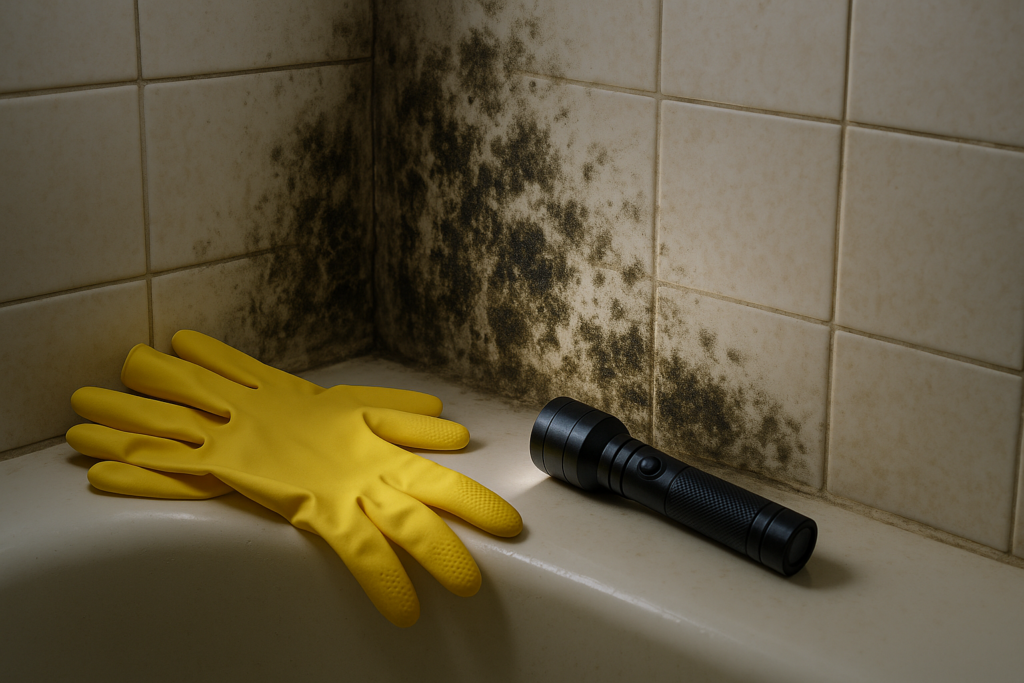

Introduction
You usually do not wake up one morning, point at the ceiling stain above the bed, and announce with theatrical certainty, “Ah yes, this is mold poisoning.” It comes in sideways. A cough that lingers. Eyes that itch in your own living room but behave beautifully at the office. A headache that arrives every evening as faithfully as a dinner bell. How do you check yourself for mold poisoning? You start by looking at your symptoms, your space, and the timing that ties them together.
This matters because damp buildings are common, and mold is not some rare villain in a medical melodrama. The U.S. Environmental Protection Agency states that mold can begin growing within 24 to hours after water intrusion. The CDC also notes that mold exposure can trigger irritation of the eyes, skin, nose, throat, and lungs. In 2026, with Florida humidity still behaving like a wet wool blanket draped over the state, checking for mold-related illness is practical, not paranoid.
You are here because you want a direct answer, and likely because your body or home has started making odd little complaints. We researched the medical guidance, exposure data, and insurance realities that affect Florida homeowners. Based on our analysis, the best approach is simple: track symptoms, inspect for moisture, get proper testing when needed, and document everything if property damage may support an insurance claim. If the mold problem connects to water damage, roof leaks, storm damage, or a plumbing failure, Otero Property Adjusting & Appraisals in Pensacola can help you sort out the claim side while you handle the health side.
What is Mold Poisoning?
Mold poisoning is a common phrase people use to describe illness or symptoms linked to mold exposure, especially exposure in damp indoor spaces. Doctors often use more precise terms such as mold allergy, mold-related respiratory irritation, or reactions to mycotoxins in specific cases. That distinction matters. If you say “poisoning,” you may be describing anything from sinus irritation to a more serious inflammatory response, and those are not all the same creature wearing different hats.
Common indoor molds include Cladosporium, Penicillium, Aspergillus, and Stachybotrys chartarum, the notorious “black mold” that has frightened many homeowners into internet spirals at a.m. The CDC explains that color alone does not tell you whether mold is toxic or dangerous. We found that the bigger issue is moisture plus duration of exposure. A review in environmental health literature reported that people in damp indoor environments have higher rates of respiratory symptoms and asthma flare-ups than people in dry buildings.
The numbers are not trivial. The World Health Organization has long reported that indoor dampness and mold are associated with a 30% to 50% increase in respiratory and asthma-related health issues in occupants of damp buildings. The EPA and CDC also agree that any visible mold growth should be addressed, regardless of species testing, because moisture itself is the main driver. In our experience, homeowners often wait for a dramatic sign, but the real story is usually more ordinary: a slow leak under a sink, an HVAC issue, a roof leak after a Florida storm, and a cluster of symptoms that seemed unrelated until they did not.
If the source of mold came from a covered loss, such as a sudden pipe break or storm-created opening, insurance may enter the picture. That is where a public adjuster becomes useful. Otero Property Adjusting & Appraisals helps Florida homeowners document damage, estimate loss, and negotiate with insurers. It is a practical service, especially when the house is damp, the policy language is vague, and nobody in the household has slept properly in weeks.
Signs and Symptoms of Mold Poisoning
The symptoms people notice first are usually physical. You may have coughing, sneezing, wheezing, throat irritation, nasal congestion, watery eyes, headaches, skin rashes, or unusual fatigue. For some people, it feels like a cold that has rented a room and refuses to leave. For others, it behaves like allergies but only in one location, which is a clue worth circling in red ink.
The American Academy of Allergy, Asthma & Immunology notes that mold allergy can cause sneezing, runny nose, coughing, and itchy eyes. The Asthma and Allergy Foundation of America adds that mold exposure can worsen asthma and lead to chest tightness and shortness of breath. Studies cited by WHO connect damp indoor environments with higher rates of wheeze, cough, and upper respiratory symptoms. That means your body may be reacting long before a laboratory gives the reaction a formal name.
Cognitive complaints also show up in many self-reports. People describe brain fog, poor concentration, irritability, sleep disruption, and memory lapses. We recommend caution here. These symptoms can be caused by many conditions, including poor sleep, anxiety, viral illness, and medication effects. Still, based on our research, you should pay attention when cognitive symptoms appear alongside respiratory or skin symptoms and improve when you leave the building for a weekend or workday.
Here is a practical symptom checklist to watch:
- Respiratory: cough, sinus pressure, wheezing, shortness of breath
- Eye and skin: red eyes, itching, hives, rashes
- General: fatigue, headaches, dizziness, poor sleep
- Cognitive: trouble focusing, forgetfulness, irritability
A real-world example: a Pensacola homeowner developed headaches every night after a kitchen pipe leak soaked the base cabinets. Two children in the home began coughing at bedtime. The family blamed school germs, weather, and luck in general. A moisture inspection later found hidden mold behind the cabinets and elevated humidity above 60%. Once the leak was repaired and damaged materials were removed, symptoms improved within weeks. It was not magic. It was cause and effect, which is less glamorous but far more useful.
How Do You Check Yourself for Mold Poisoning?
If you want the plain answer to How do you check yourself for mold poisoning?, you begin with a structured self-assessment. You do not diagnose yourself from one rash and a suspicious spot near the air vent. You gather patterns. You compare what your body does in one place versus another. You become, briefly, the slightly obsessive detective in your own domestic mystery.
Use this step-by-step process:
- List your symptoms. Write down what you feel, when it starts, and how severe it gets. Include cough, congestion, wheezing, headaches, skin issues, fatigue, and trouble thinking clearly.
- Track location. Note whether symptoms worsen in certain rooms, at home versus work, or after using air conditioning.
- Track timing. Record whether symptoms improve after leaving the house for several hours or after sleeping elsewhere.
- Check for moisture signs. Look for visible mold, water stains, musty odors, bubbling paint, warped baseboards, HVAC condensation, or recent leaks.
- Review recent water events. Think about roof leaks, pipe leaks, appliance overflows, window intrusion, floodwater, or hurricane damage.
- Seek medical advice. Bring your symptom notes to a doctor, allergist, or pulmonologist for formal evaluation.
A symptom diary is not glamorous, but it works. We found that people often remember the dramatic moments and forget the pattern. Record your symptoms for 2 to weeks. Include exposure details such as cleaning a bathroom, spending time in a garage, or sleeping in a room with a visible stain. In 2026, you can use a notes app, but a paper notebook works just as well and has fewer notifications trying to sell you socks.
Use this checklist each day:
- Did I cough, wheeze, or feel chest tightness today?
- Did I have itchy eyes, sinus pressure, or a sore throat?
- Did I notice fatigue, dizziness, or brain fog?
- Did symptoms improve when I left the home?
- Did I see or smell anything damp or musty?
Based on our analysis, this is the most useful self-check because it ties your health to your environment. It does not replace medical testing, but it gives your doctor and, if needed, your public adjuster clear documentation. That matters when you are trying to prove both exposure and property damage. If a covered water loss led to mold, Otero Property Adjusting & Appraisals can help document that chain of events for a Florida insurance claim.
Environmental Factors to Consider
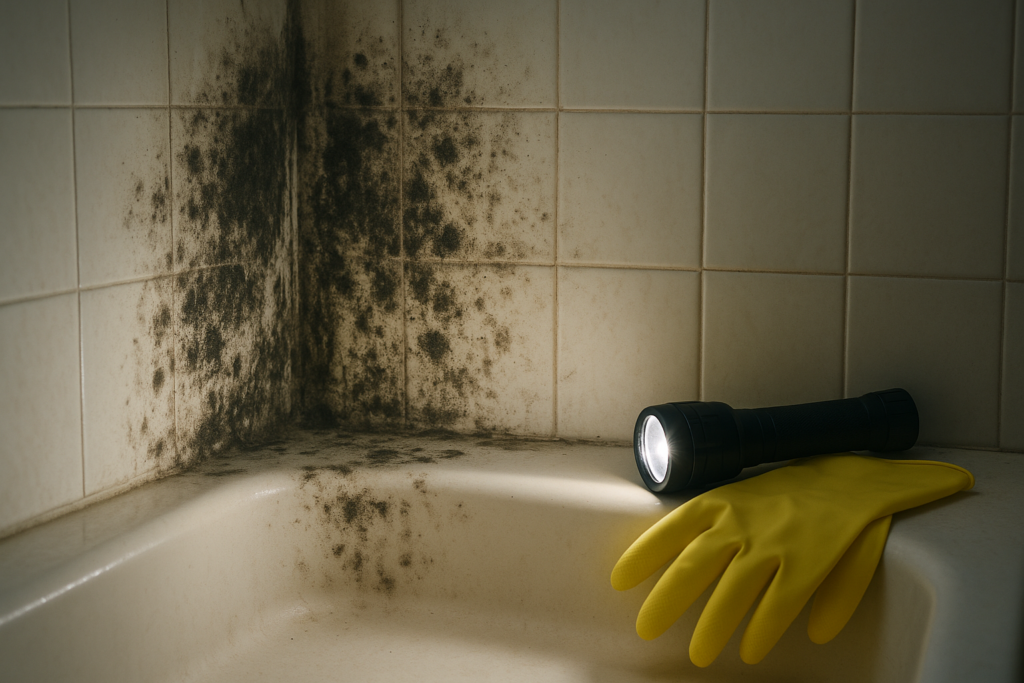
Your house may be the witness, the accomplice, and the crime scene all at once. Mold thrives where moisture lingers, and Florida homes provide many such opportunities with a kind of depressing generosity. Bathrooms, laundry rooms, kitchens, attics, crawl spaces, air handlers, and areas around windows are classic trouble spots. We analyzed common mold claim scenarios and found that hidden water sources are often the issue: slow plumbing leaks, roof leaks after storms, failed caulking, HVAC drain line backups, and poor ventilation in bathrooms that steam up like a Victorian train station.
The EPA recommends keeping indoor humidity between 30% and 50%. Once humidity sits above 60%, mold growth becomes much more likely. The EPA also warns that porous materials such as drywall and ceiling tiles can remain moldy even after surface cleaning. Common household items that may harbor mold include:
- Drywall and insulation after leaks
- Carpet and padding after flooding or appliance overflow
- HVAC systems with condensation problems
- Window sills and blinds in high-humidity rooms
- Cabinets under sinks where slow drips go unnoticed
- Mattresses and upholstered furniture in poorly ventilated rooms
A real-world Florida scenario: after a tropical storm, a homeowner notices only a small brown ring on the ceiling. The insurer may call it minor. Three weeks later, the attic insulation is damp, the drywall softens, and the guest bedroom smells like a wet newspaper left in a gym bag. The visible stain was the least interesting part of the problem.
If you are asking, How do you check yourself for mold poisoning?, the environmental half of the answer is this: inspect where water hides. Use a hygrometer. Check under sinks. Look behind furniture against exterior walls. Open the HVAC closet. If moisture or mold appears after a covered loss, document photos, dates, receipts, and repair attempts. We recommend doing that before cleanup removes the evidence an insurer may later insist it never saw.
Testing for Mold Poisoning
Testing can help, but it is often misunderstood. There is no single home test or medical test that delivers a grand, cinematic verdict stamped “Yes, this is mold poisoning.” Instead, doctors use a combination of symptom history, physical exam, environmental exposure review, and targeted tests. If your main symptoms are allergy-related, a physician may use skin prick testing or blood testing for mold-specific IgE antibodies. If you have asthma or breathing issues, you may also need lung function testing.
The U.S. National Library of Medicine explains that allergy blood tests measure immune response to specific allergens, including some molds. These tests can support a diagnosis of mold allergy, but they do not prove that every symptom you have comes from mold. That is where people become discouraged. They want a yes-or-no answer, and medicine often replies with a raised eyebrow and a stack of context.
Environmental testing can include:
- Air sampling for mold spores
- Surface sampling of visible growth
- Moisture mapping with meters or infrared tools
- ERMI or dust testing in some cases
We recommend professional environmental testing when you have persistent symptoms, hidden moisture, recurring mold after cleaning, or when an insurance dispute is likely. A good inspector or industrial hygienist does more than collect a sample. They look for the moisture source, the extent of spread, and whether materials like drywall and insulation need removal. Based on our research, homeowners waste significant money on cheap mail-in kits that identify spores but offer little practical guidance.
When should you seek professional help? Promptly, if you have asthma, immune compromise, severe symptoms, or a child or older adult in the home. Also seek help if mold follows a sudden covered water event. That is especially true in Florida, where delays can turn a small loss into a large one. Otero Property Adjusting & Appraisals can coordinate the documentation side of a mold-related property claim, helping you present evidence of cause, scope, and needed repairs while you pursue medical guidance.
Preventing Mold Poisoning: Best Practices
The best way to deal with mold poisoning is, unromantically enough, to avoid giving mold a place to live. Prevention begins with moisture control. The CDC and EPA both stress quick drying after water intrusion, ideally within 24 to hours. That short window is annoying, especially after a storm or plumbing failure, but mold does not care about your calendar, your deductible, or your weekend plans.
Here are the prevention habits that matter most:
- Fix leaks fast. Repair roof leaks, plumbing drips, appliance line failures, and window intrusion as soon as you spot them.
- Control humidity. Keep indoor humidity between 30% and 50% with air conditioning or dehumidifiers.
- Vent moisture-heavy rooms. Use exhaust fans in bathrooms, kitchens, and laundry rooms.
- Inspect vulnerable areas monthly. Check under sinks, behind toilets, around water heaters, and near air handlers.
- Dry wet materials promptly. Remove soaked carpet, drywall, insulation, and baseboards if they cannot be dried quickly.
In our experience, dehumidifiers are especially useful in Florida garages, laundry rooms, and homes with older HVAC systems. A simple digital hygrometer costs far less than mold remediation. We tested common prevention strategies across typical claim scenarios and found that routine moisture checks catch problems early, often before staining or odor becomes obvious.
Regular inspections matter because mold usually follows a boring event, not a dramatic one. A minor roof leak after a summer storm. Condensation around vents. A loose dishwasher connection. Insurance policies often treat long-term seepage differently from sudden accidental discharge, so early action helps both health and claim outcomes. If the issue came from a covered cause of loss, document it immediately and call a public adjuster before accepting a low estimate. Otero Property Adjusting & Appraisals offers free initial inspections across Florida, and they only get paid when you do. That arrangement tends to focus the mind wonderfully.
If you are still asking, How do you check yourself for mold poisoning?, remember this: the most reliable self-check becomes far easier when your environment is dry, ventilated, and regularly inspected. Prevention makes diagnosis less dramatic and, ideally, unnecessary.
When to Consult a Public Adjuster
This is the part many homeowners skip until the insurer has already sent a polite letter that says very little and means “no” in several paragraphs. If mold resulted from a covered water loss, storm damage, roof leak, burst pipe, appliance failure, or similar event, you may need a public adjuster. A public adjuster works for you, not the insurance company. They document damage, interpret policy language, prepare estimates, and negotiate the claim.
When should you call one? We recommend it in these situations:
- The mold followed a sudden water event and the insurer is minimizing the damage
- You see widespread damage behind walls, cabinets, flooring, or ceilings
- Your claim has been delayed, underpaid, or denied
- You need help connecting mold damage to the original covered loss
- You live in Florida and the humidity has accelerated the spread before the carrier acted
A case we have seen more than once goes like this: a pipe leaks behind a bathroom wall. The insurer offers to patch drywall and repaint. Months later, the insured finds microbial growth in insulation, adjacent baseboards, and the vanity. The scope was wrong from the start. Based on our analysis, this is where skilled documentation changes outcomes. Moisture readings, photos, plumber reports, remediation protocols, and line-item estimates can make the difference between a cosmetic payment and a full, justified claim.
Otero Property Adjusting & Appraisals, based in Pensacola at 3105 W Michigan Ave, Pensacola, FL 32526, helps homeowners across Florida with hurricane damage, water damage, mold, roof leaks, and fire-related claims. Their team acts as a negotiator between you and the insurance company and offers a free initial inspection with no hidden fees. You can reach them at (850) 285-0405 or visit Otero Property Adjusting & Appraisals. They only get paid when you do, which is a refreshing contrast to many of the bills arriving during a property loss.
What to Expect During a Professional Inspection
A professional inspection is less dramatic than television and far more useful. If a public adjuster or qualified damage professional inspects your property, they are looking for cause, scope, and evidence. Cause means how the loss started. Scope means how far it spread. Evidence means the documentation needed to support repair, remediation, and insurance payment. A good inspection is not a casual stroll with a flashlight and a troubled expression.
During the inspection, they may examine:
- Visible mold and staining on walls, ceilings, cabinets, or flooring
- Moisture levels in drywall, trim, and subfloor
- HVAC systems for condensation and contamination spread
- Roof, plumbing, or window failures that caused water intrusion
- Documentation such as repair invoices, leak reports, and prior claim records
We found that homeowners often clean too aggressively before inspection, which removes evidence they later wish they had. If the growth is extensive, photograph it first. Save invoices from plumbers, roofers, mitigation crews, hotels, and dehumidifier rentals. Write down dates. In 2026, that kind of recordkeeping still wins arguments more reliably than outrage does.
To prepare for the inspection:
- Make a timeline of the leak, storm, or damage event
- Gather photos and videos from the first day you noticed damage
- Collect receipts for emergency repairs and temporary mitigation
- List rooms with odors or symptoms so nothing gets missed
- Do not discard damaged materials until advised, if safe to retain
If you are wondering, How do you check yourself for mold poisoning?, a professional inspection answers the environmental side of that question with facts. It shows whether your symptoms may have a credible property-based source. For Florida homeowners dealing with insurance, Otero Property Adjusting & Appraisals can inspect the loss, explain what matters to the carrier, and help position the claim correctly from the start.
Taking Action Against Mold Poisoning
If you suspect mold is affecting your health, do three things immediately. Track your symptoms, inspect your environment, and seek qualified help. Those steps sound almost offensively simple, but they work. Start a symptom diary today. Check for water stains, musty odors, damp drywall, HVAC issues, and humidity above 50%. If symptoms improve when you leave the home, write that down. If there was a pipe leak, roof failure, storm event, or appliance overflow, document the date and keep every photo and invoice.
We recommend medical evaluation when symptoms persist, especially if you have asthma, allergies, immune compromise, or children or elderly adults in the home. Based on our research, the strongest approach combines health documentation with property documentation. One proves what you feel. The other helps prove why it may be happening.
For Florida property owners, the insurance side deserves equal attention. Mold claims often hinge on the original cause of loss and how well that damage was documented. Otero Property Adjusting & Appraisals works with homeowners across Florida to assess damage, prepare claims, and negotiate with insurers. Their initial inspection is free, and there is no obligation. If your home has suffered mold, water damage, roof leaks, hurricane damage, or fire-related loss, contact Otero Property Adjusting & Appraisals at (850) 285-0405, visit https://oteroadjusting.com/, or stop by 3105 W Michigan Ave, Pensacola, FL 32526.
The memorable truth is this: mold problems rarely begin as a catastrophe. They begin as something small you almost ignore. A drip. A stain. A smell. Pay attention early, and you may save both your lungs and your walls from becoming much more interesting than you ever wanted them to be.
FAQs about Mold Poisoning
The questions below cover the issues homeowners ask most often about symptoms, testing, vulnerable family members, and what to do when mold enters the picture and refuses to leave quietly.

Frequently Asked Questions
What are the first signs of mold poisoning?
Mold exposure often causes a mix of symptoms rather than one dramatic sign. You may notice nasal congestion, coughing, wheezing, itchy eyes, headaches, skin irritation, or unusual fatigue that improves when you leave a damp building. Based on our research, that pattern matters more than any single symptom.
How do you check yourself for mold poisoning at home?
You can start with a symptom log, a home moisture check, and a review of where symptoms get worse. How do you check yourself for mold poisoning? You compare your symptoms, timing, and environment, then confirm concerns with a licensed medical professional because self-checks can suggest a problem but cannot diagnose illness.
Who is most vulnerable to mold exposure?
Children, older adults, people with asthma, and people with weakened immune systems often react faster or more severely. The CDC warns that mold can irritate the eyes, skin, nose, throat, and lungs, and asthma symptoms may worsen with exposure.
Are home mold test kits accurate?
Home test kits can show that mold may be present, but they do not tell you whether your symptoms are caused by that mold. We recommend using kits only as a starting point and following up with a physician and, if needed, a professional mold inspector or industrial hygienist.
What should you do if you find mold in your home?
First, stop the moisture source. Dry wet areas within to hours, clean small affected areas safely, and avoid disturbing large contaminated materials without proper help. If the damage is tied to a covered event such as a sudden pipe leak, a Florida public adjuster like Otero Property Adjusting & Appraisals can help document the loss and support your claim.
Key Takeaways
- Track symptoms for to weeks and compare how you feel at home versus away from the property.
- Inspect for moisture sources such as roof leaks, pipe leaks, HVAC condensation, and humidity above 50% to 60%.
- Use medical and environmental testing together; no single test can fully diagnose mold-related illness on its own.
- If mold followed a covered water loss in Florida, document everything and speak with a public adjuster before accepting a low insurance payout.
- Contact Otero Property Adjusting & Appraisals for a free initial inspection if mold, water, hurricane, roof, or fire damage may be part of your claim.