
Miami Public Adjuster
Repairs in Miami-Dade have to meet High-Velocity Hurricane Zone rules that apply in only two Florida counties, and insurers don’t always pay for them. We work for you, not your insurance company. Free, no-obligation damage inspection and policy evaluation.
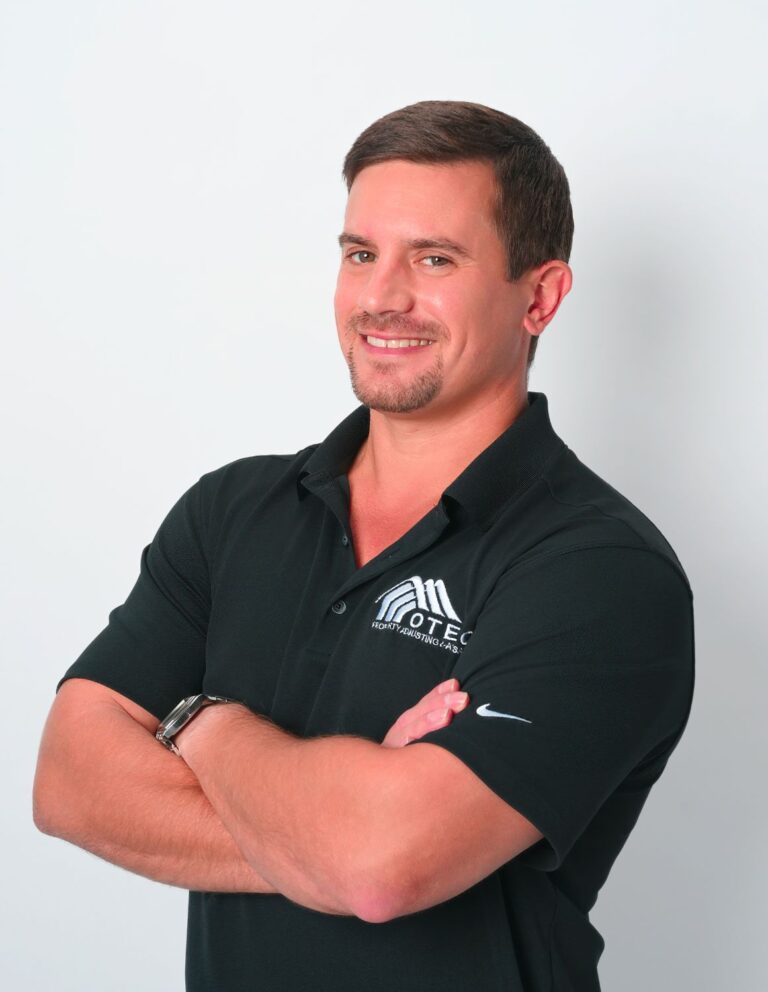
David Otero, President
Licensed Florida public insurance adjuster
7+ years of claims experience
- License W605057
- FAPIA member
- Windstorm Insurance Network member
- Rated 5.0 on Google
- Free inspection
A Miami Public Adjuster, based in Pensacola
Otero Property Adjusting & Appraisals Inc handles Miami-Dade claims for homeowners, condo owners, landlords and business owners, and always on the policyholder’s side.
We’re not a Miami firm. Our office is 674 miles away on West Michigan Ave in Pensacola, and we travel down for each inspection. Phone calls reach our Pensacola team, and David Otero oversees your claim.
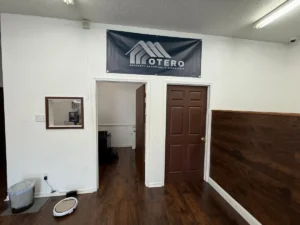
- 3105 West Michigan Ave, Pensacola, FL 32526
- (850) 285-0405
Tell us about the damage and the building it’s in. We’ll follow up to schedule your free, no-obligation inspection.
Claims we handle in Miami
Miami claims tend to involve tall buildings or salt water, plus the code requirements that come with both. Choose a claim type to see how we handle it.
Hurricane damage
In Miami-Dade, hurricane damage gets repaired to HVHZ standards. We make sure the estimate prices the approved products the repair actually needs.
Water damage
In a tower, one failed supply line can soak several floors. We trace the water to its source so the right policy pays for each unit.
Roof and wind damage
Tile and flat roofs are common here, and both cost more to repair to code. Any rain that gets in through the wind damage belongs to the wind claim.
Flood damage
Surge from Biscayne Bay and heavy-rain flooding are flood-policy claims. We keep them apart from your wind claim so one isn't used against the other.
Commercial property claims
Hotels, restaurants, stores and office buildings lose income while they're being repaired, and that loss goes in the claim with the repairs.
Mold damage
Heat and humidity work fast here, and a slow leak can grow mold within days. Because policies often cap mold coverage, the leak's cause and start date need to be documented.
Fire and smoke damage
In a high-rise, smoke moves through hallways and ventilation into units that never saw a flame. Those units have a claim too.
Loss of use and business income
If you can't live in your home or run your business during repairs, your policy may pay extra living expenses or lost income. We claim it.
Where Miami claims come up short
In Miami, the argument is usually over what the repair has to cost and who pays for it.
Code upgrades left out of the estimate
Hurricane Andrew came ashore on Elliott Key and then Homestead on August 24, 1992, as a Category 5 with 165 mph winds. Miami-Dade and Broward are now the only Florida counties in the Florida Building Code's High-Velocity Hurricane Zone. Windows, doors and roofing there need tested product approvals, such as a Miami-Dade Notice of Acceptance, so like-for-like pricing usually falls short. Law and ordinance coverage pays the extra cost of meeting code. Florida policies include it at 25% of your dwelling limit unless you turned it down in writing, and you can choose 50% instead. It covers the damaged part of the house, unless the damage is more than 50% of the replacement cost. Check whether your insurer's estimate used it at all.
A leak that falls through the building
In a tower, water from one unit can run down several floors before anyone sees it. The association's master policy and each owner's unit policy can end up pointing at each other. We follow the water floor by floor and match each piece of damage to the policy that owes it.
The building's paper trail
Condo buildings of three or more stories need a milestone inspection by the end of the year they turn 30, then every 10 years, and local officials can require it at 25 years where conditions like nearby salt water call for it. That report records the building's condition before a storm. Insurers read it to argue damage was already there, but it can also show the damage is new. Get a copy early.
Surge on the bay
In September 2017, Hurricane Irma's surge flooded streets along Biscayne Bay, including in Brickell. Water that rises from the bay goes to a flood policy, while wind and wind-driven rain go to your property policy. How the damage is documented decides which one pays.
How we handle your claim
Six steps take a Miami claim from reading your policy to getting paid, with the code items priced in from the start.
Policy review
We read the whole policy, including endorsements and exclusions, before the inspection, so we know what it says about the type of damage you have.
Inspection
We inspect the property ourselves and photograph the roof, attic, interior and exterior, so every area of damage is documented.
Our estimate
We write a line-item estimate for the full repair at current local prices.
Working with your insurer
We communicate with your insurer on your behalf, answer its requests and present the documentation that supports your claim. Anyone inspecting for the insurer must give at least 48 hours’ notice before an on-site inspection (§626.854), so we can be there with you.
Appraisal, if it comes to that
If you and the insurer still disagree on the amount, many policies let either side demand appraisal. Each side picks an appraiser, and those two choose an umpire. An award signed by any two of them sets the amount of the loss. Check your policy first, because not every policy has this clause.
Through the close of the claim
We handle the paperwork, supplements and deadlines through the end of the claim. Florida generally gives your insurer 60 days after it receives notice of a claim to pay or deny it, with limited exceptions (§627.70131).
What our clients say
Posted on GoogleTrustindex verifies that the original source of the review is Google. I was very happy with the way David handled his business . They did what they said they would do. Great customer service . Communication was excellent . Would recommend to everyone.Posted on GoogleTrustindex verifies that the original source of the review is Google. David is absolutely the best at what he does couldn't recommend him any more! This is someone I will contact every time I am in need of this service.Posted on GoogleTrustindex verifies that the original source of the review is Google. Working with David was a game changer. Having someone with so much knowledge in your corner is the only way to go about claims against insurance companies! A lot of work was needed to go up against my insurance company, and David and his team put it every ounce of effort needed to accomplish the goal!Posted on GoogleTrustindex verifies that the original source of the review is Google. David and his team are fantastic. He was very professional and skilled at working with us and our insurance company to settle our claim. He was up front about the process and followed through on everything he informed us. He kept us up-to-date the entire time. I highly recommend.Posted on GoogleTrustindex verifies that the original source of the review is Google. We’re extremely grateful for the time, effort, and professionalism shown by David and Tamara in helping us with our home insurance claim. Their diligence, thoroughness, and clear communication made the entire process much smoother and less stressful. It’s rare to find someone who takes such care and pride in their work. We highly recommend their services to anyone.Posted on GoogleTrustindex verifies that the original source of the review is Google. David Otero was fist recommended to me by a friend who had been very satisfied with his services when she required an adjuster on a roof repair. He and his assistant, Tamara, responded immediately when I called him on the difficulty I was having after serious water damage in my home. David kept me fully informed on the repair request. In addition, he was able to secure funds for me that covered the necessary repairs for the damage my home incurred. I would recommend this team for any problems you may have in securing a just refund on damages to your property.Posted on GoogleTrustindex verifies that the original source of the review is Google. Mr. Otero got took care of me and my home with the insurance company told me no. Mr. Otero was aggressive, communicated and told me exactly what he would do and delivered. Thank youPosted on GoogleTrustindex verifies that the original source of the review is Google. Working with David was an outstanding experience from start to finish. He truly went above and beyond throughout the entire claim process. David took the time to explain every step clearly and made sure we fully understood our options. He was also personally involved in working with the umpire to ensure that all our expenses and damages were properly covered. His attention to detail and commitment to achieving the best possible outcome made a tremendous difference. What stood out most was how easy and professional David and his team were to work with. They were flexible and accommodating around our schedule, which was especially appreciated since we were also in the middle of home renovations. David’s responsiveness, patience, and genuine care for his clients turned what could have been a stressful situation into a smooth and successful process. We couldn’t have asked for better support. David is knowledgeable, trustworthy, and truly dedicated to his clients. We highly recommend him and his team to anyone in need of a public adjuster who will go the extra mile.Posted on GoogleTrustindex verifies that the original source of the review is Google. I would give 10 stars if I could. David Otero has been awesome. Prior to David, I was working with another PA that did a really bad job. I was referred to David by a friend, and he turned my situation around. I live in St Petersburg, and got rocked by the floods from the hurricanes last year. He went to town on the insurance company, and got me a lot more than their insurance original offer. Great communication, and will make sure to clearly lay out your options throughout the process. David will go as far as you like him to with the insurance company. I will definitely be working with David going forward as my PA, and would recommend to anyone needing a PA.Posted on GoogleTrustindex verifies that the original source of the review is Google. Otero Property Adjusting & Appraisals Inc. has helped several of our residential clients. The homeowners are very pleased with their services. We recommend using Otero Property Adjusting & Appraisals Inc.
Areas we serve near Miami
We handle claims across South Florida and the rest of the state from our Pensacola office, and we travel to each property for the inspection. See all service areas.
- Miami
- Fort Lauderdale
- Pembroke Pines
- Pompano Beach
- Boca Raton
- West Palm Beach
Your rights in Florida
In Miami-Dade, the coverage that matters most after a storm is often the one people forget they have.
- Law and ordinance coverage: a Florida homeowners policy includes it at 25% of the dwelling limit unless you rejected it in writing. You can choose 50%. It pays the extra cost of meeting building codes, and only on the damaged part of the house unless the damage exceeds 50% of the replacement cost (§627.7011).
The inspection and policy review are free.
Deadlines to know (§627.70132). A new or reopened claim has to be reported within 1 year of the date of loss. A supplemental claim, for more damage found later on a claim you already filed, has 18 months.
This is general information, not legal advice. Your policy and the facts of your claim decide what applies to you.
Miami Public Adjuster FAQs
Will my insurance pay to bring repairs up to Miami-Dade code?
It may, up to your law and ordinance limit. Florida homeowners policies include that coverage at 25% of the dwelling limit unless you turned it down, or 50% if you chose it. We check that the estimate prices code-approved products and that the coverage is applied.
I own a condo in a high-rise. Who handles the storm damage?
Both of you, in most cases. In a high-rise, the master policy typically covers the structure and common areas, while your unit policy covers the interior, your upgrades and your belongings. Your association’s documents set the exact line, and we file each part with the policy that owes it.
Our building's milestone inspection found problems. Does that affect my claim?
It can. Insurers may use the report to say damage existed before the storm. The same report can also show what was fine before, so we compare it against the new damage.
You're based in Pensacola. How do you handle a Miami claim?
Our office is in Pensacola, 674 miles away, and we travel to your property for the inspection. The rest of the claim, including the paperwork and the negotiation with your insurer, we handle from our office, and you can reach us by phone throughout.
Is flooding from a king tide or bay surge covered by my homeowners policy?
No. Homeowners and condo unit policies exclude flood, so rising water from the bay needs a flood policy. Wind-driven rain is a different matter and is usually covered.
Can you help if my claim was denied or underpaid?
Yes. We start with the denial letter or the insurer’s estimate, re-inspect the property and price what’s missing, including code items. Within Florida’s deadlines, that becomes a reopened or supplemental claim, and if the dispute is only over the amount, appraisal may be an option.
Do you handle commercial property claims in Miami?
Yes. We handle claims for hotels, restaurants, stores, offices and rental buildings, including lost business income.
Do you cover the rest of South Florida?
Yes, including Fort Lauderdale, Pembroke Pines, Pompano Beach, Boca Raton and West Palm Beach. We handle claims throughout Florida.
Storm or water damage in Miami?
Call (850) 285-0405 and we’ll set up a free inspection and a review of your policy.